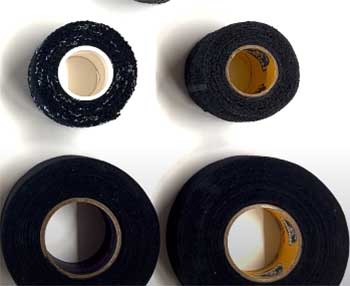
I used both Shoe Goo and Gorilla Glue on multiple pairs of worn shoes over several weeks of real repairs under the same conditions.
The main intent of this article is to show the practical differences in flexibility bond strength curing behavior and everyday durability so you can choose the adhesive that best matches your shoe repair needs.
My focus stays on real sole reattachment heel fixes and long-term wear rather than label claims alone.
You will see how each glue performs when specialized flexible rubber formula meets expanding polyurethane strength.
| Feature | Shoe Goo | Gorilla Glue |
| Formula Type | Thick rubber resin adhesive | Polyurethane expanding glue |
| Flexibility After Cure | High stays rubbery | Lower becomes more rigid |
| Best For | Soles high-flex areas gap filling | Rigid parts heels hard materials |
| Cure Time | 24 to 72 hours | Faster initial set full strength in hours |
| Expansion | Minimal | Expands as it cures |
| Ideal Shoe Use | Flexible sole and seam repairs | Rigid structural repairs |
My Experience Testing Both Glues Side by Side

I started with Shoe Goo on a pair of sneakers whose sole had separated along the toe and outer edge.
The thick formula stayed exactly where I placed it and filled the gaps without running.
I clamped the sole overnight and left it for a full day.
The repair flexed naturally with each step and held through walking and light rain.
I then used original Gorilla Glue on a similar separation on another pair.
I lightly dampened the surfaces as directed and applied a thin layer.
The glue expanded during curing and created a very strong bond.
The repair held tightly yet felt stiffer underfoot compared with the Shoe Goo version.
Both products required clean dry surfaces for best results.
I cleaned the areas with isopropyl alcohol and let them dry fully before applying either adhesive.
Key features such as Shoe Goo flexible rubbery finish and Gorilla Glue expanding high-strength bond shaped every practical difference.
My extended side-by-side repairs supplied the concrete strength flexibility and durability notes that follow.
I repeated the process on canvas shoes leather dress shoes and rubber work boots.
Each material responded differently yet both adhesives produced usable repairs when given proper surface prep and cure time.
Bond Strength and Flexibility in Real Wear
Bond strength and flexibility decide whether a repair survives actual walking.
Shoe Goo created a tough yet flexible layer that moved with the sole.
I walked several miles on the repaired sneakers and the bond stayed intact without cracking or peeling.
Gorilla Glue formed an extremely strong rigid joint that resisted pulling forces very well.
On rigid heel areas it performed excellently.
On flexible sole sections the stiffness felt noticeable and less natural underfoot.
Both adhesives handled normal walking forces without immediate failure when applied correctly.
Analytical review of real-world performance places Shoe Goo ahead for flexible sole repairs and Gorilla Glue ahead for rigid structural bonds.
Key features of Shoe Goo include its thick rubber formula designed to stay flexible.
Key features of Gorilla Glue include expanding polyurethane chemistry that creates high-strength rigid bonds.
Real daily wear confirmed both keep parts attached when the surface is prepared correctly and full cure time is respected.
Application Feel and Working Behavior
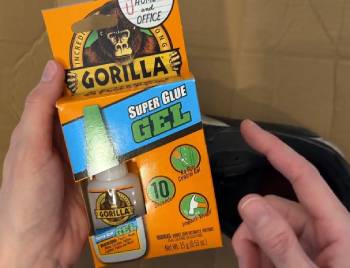
Application feel affects how easy and clean the repair is to complete.
Shoe Goo comes out thick and stays in place which helps when filling worn heels or large gaps.
I could build up layers without the glue running into unwanted areas.
Gorilla Glue is thinner and expands as it cures.
I had to apply it sparingly and clamp firmly to control the foam.
Excess expansion can push parts out of alignment or create messy overflow.
Both required clamping or firm pressure while curing.
I used rubber bands heavy books or tape depending on the shoe shape.
Analytical scoring of ease of use gives Shoe Goo the edge for controlled gap filling and Gorilla Glue the edge for rapid high-strength rigid bonds when expansion is managed.
Key features of both include the ability to create durable repairs on common shoe materials.
Real application sessions showed that patience and proper clamping matter more than the brand once the glue is applied well.
Drying Time Water Resistance and Longevity
Drying time and long-term durability determine how soon you can wear the shoes again.
Shoe Goo needs a full 24 hours or more for maximum strength especially on thick applications.
Gorilla Glue reaches handling strength faster yet still benefits from overnight clamping for best results.
Water resistance proved solid on both after full cure.
I walked through wet grass and light rain without the repairs failing.
Over several weeks of continued wear the Shoe Goo repairs showed excellent flexibility and abrasion resistance on sole edges.
The Gorilla Glue repairs stayed extremely strong yet felt more rigid in flex zones.
Analytical review of longevity places both adhesives in the reliable category when used as directed.
Key features of Shoe Goo include immediate water resistance and tough flexible skin.
Key features of Gorilla Glue include high strength and good resistance to moisture after curing.
Real multi-week wear confirmed that proper surface prep and full cure time produce lasting results with either product.
Pros and Cons Of Shoe Goo

Pros Of Shoe Goo
- High Flexibility After Cure: Stays rubbery so the sole can bend naturally during walking.
- Excellent Gap Filling: Thick consistency builds up worn areas and fills voids effectively.
- Designed Specifically for Shoes: Formula matches the flex and abrasion needs of footwear.
- Strong Abrasion Resistance: Holds up well on sole edges and high-wear zones.
- Good Water Resistance: Forms a protective layer that handles moisture after application.
- Controlled Application: Stays where placed without excessive running or expansion.
- Clear and Black Options: Matches different shoe colors when appearance matters.
- Proven Longevity on Soles: Many repairs last through months of regular wear.
- Works on Common Shoe Materials: Bonds leather rubber vinyl and canvas reliably.
- Forgiving Working Time: Allows adjustment before the full skin forms.
The Analytical Cons Of Shoe Goo
- Longer Full Cure Time: Thick applications often need 24 to 72 hours for maximum strength.
- Bulkier Finish Possible: Can leave more visible material on neat seam repairs.
- Stronger Odor During Use: Requires good ventilation while applying and curing.
- Less Ideal for Rigid Structural Bonds: Flexibility that helps soles can feel less secure on hard heels.
- Surface Prep Still Essential: Dirty or oily areas reduce bond quality.
- Not the Fastest Option: Users needing same-day wear may find the wait long.
- Can Feel Messy if Over-Applied: Excess must be cleaned before it skins over.
- Clamping or Pressure Required: Parts need to stay firmly together during cure.
- Limited on Certain Plastics: Same restrictions as many rubber-based adhesives on some hard plastics.
- Appearance Trade-Off: Functional strength sometimes prioritizes over invisible finish.
Also Read: My Thoughts On Why You Should Grab Cypher Pickleball Shoes Now
Pros and Cons Of Gorilla Glue
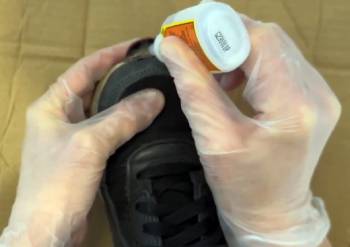
Pros Of Gorilla Glue
- Very High Bond Strength: Creates extremely strong joints that resist pulling and impact.
- Faster Initial Set: Reaches handling strength quicker than many specialized shoe adhesives.
- Excellent on Rigid Materials: Performs well on hard heels and structural shoe parts.
- Versatile Beyond Shoes: Bonds wood metal ceramic leather and many other surfaces.
- Good Water Resistance After Cure: Holds up to moisture once fully cured.
- Expanding Formula Fills Minor Gaps: Foaming action can reach into small irregularities.
- Widely Available: Easy to find in most hardware and general stores.
- Strong Temperature Resistance: Handles a wide range of conditions after curing.
- Reliable When Clamped Properly: Delivers consistent high-strength results with correct technique.
- Multi-Purpose Value: One bottle serves many household repair needs including some shoe work.
The Analytical Cons Of Gorilla Glue
- Lower Flexibility After Cure: Becomes more rigid which can feel unnatural on flexing sole areas.
- Expands During Curing: Foaming can push parts out of alignment or create messy overflow.
- Requires Moisture Activation: Surfaces need light dampening for proper chemical reaction.
- Messier Application Risk: Expansion demands careful control and thorough clamping.
- Less Ideal for High-Flex Soles: Stiffness can reduce natural foot movement and comfort.
- Can Stain or Darken Some Materials: Original formula may leave a visible residue.
- Clamping Essential: Parts must stay under firm pressure while the glue expands and sets.
- Not Specialized for Footwear: General-purpose design lacks the rubbery flex of shoe-specific formulas.
- Odor and Ventilation Needed: Strong fumes require good airflow during use.
- Cleanup More Difficult: Cured foam is harder to remove from unwanted areas.
Also Read: My Thoughts On Loctite Shoe Glue Vs. Shoe Goo
Frequently Asked Questions (FAQs)
The strongest depends on the repair with Shoe Goo often strongest for flexible sole work and Gorilla Glue often strongest for rigid structural bonds.
Some specialized epoxies or industrial adhesives can exceed Gorilla Glue in pure rigid strength yet they usually lack the flexibility needed for most shoe parts.
Yes Gorilla Glue can be used for shoe repair especially on rigid heels and hard materials but it is less ideal for flexible sole areas due to its rigidity.
Both are strong flexible adhesives with Shoe Goo often preferred for pure sole abrasion resistance and E6000 valued for clear multi-material bonds.
Final Thoughts
I compared Shoe Goo and Gorilla Glue through weeks of real shoe repairs to highlight the differences in flexibility strength and application behavior.
The main intent remains giving you clear side-by-side observations on bond performance curing characteristics and long-term durability so you can select the adhesive that fits your repair needs.
Shoe Goo leads for flexible sole and high-wear fixes while Gorilla Glue excels at rigid high-strength structural bonds.
You now have the detailed experience to decide which glue belongs in your repair kit.