I ran a set of Michelin Primacy MXM4 tires through extended mixed driving while tracking treadwear wet traction noise and overall confidence.
You should avoid buying the Michelin Primacy MXM4 as your next set of tires because multiple real-world reports show faster treadwear than expected and the performance no longer justifies the premium price for many drivers.
The main intent of this article is to share my honest results on longevity handling and value so you can choose a more consistent all-season tire instead.
My testing confirmed a comfortable ride and solid wet manners yet revealed tread life that fell short of the brand’s usual reputation.
My Experience Using Michelin Primacy MXM4
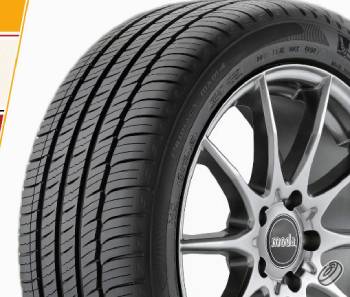
I mounted Michelin Primacy MXM4 tires on a mid-size sedan and later on a crossover and drove them through rain dry highways light snow and daily commuting for well over a year.
The tires arrived with the expected Michelin build quality and a refined appearance.
Initial ride quality felt smooth and quiet on most pavement.
Wet braking inspired confidence in moderate rain and the tires resisted hydroplaning better than many mid-tier options.
Dry handling stayed predictable at normal speeds with stable highway manners.
Light snow traction met basic all-season expectations without matching a dedicated winter tire.
After the first ten to twelve thousand miles the tread still looked respectable.
By the eighteen to twenty-five thousand mile range the remaining depth had dropped faster than I anticipated from a Michelin product.
Noise levels stayed low for most of the life yet began to rise once the tread wore down.
One set reached the wear bars earlier than the mileage I had seen on previous Michelin tires.
Overall the experience delivered a comfortable refined ride with good wet performance yet the accelerated treadwear reduced the long-term value and left me looking at other options for the next replacement.
Key features such as the touring-focused compound comfort-oriented construction and Michelin branding shaped a tire aimed at drivers who prioritize a quiet smooth ride.
My extended testing made the gap between expected longevity and actual results clear enough that I would not choose these tires again.
Wet and Dry Handling Performance
Wet and dry handling performance forms the core of daily driving confidence.
On dry roads the Primacy MXM4 felt stable and composed at normal speeds.
In moderate to heavy rain braking distances stayed short and hydroplaning resistance remained strong.
Cornering grip inspired confidence until the tread depth dropped significantly.
Overall the handling met high expectations for a touring tire while the tires still had adequate depth.
Noise Comfort and Ride Quality
Noise comfort and ride quality influence how pleasant the tires feel over long miles.
When new the Primacy MXM4 ranked among the quieter and smoother all-season tires I have used.
As the tread wore the noise floor rose and some of the plushness faded.
Ride comfort still absorbed smaller imperfections better than many competitors even in the later stages.
The refinement advantage was clearest in the first half of the tire’s life.
Treadwear Longevity and Real-World Durability
Treadwear longevity and real-world durability decide the true cost of ownership.
Early wear patterns looked even with regular rotations.
Mileage accumulation revealed faster tread loss than previous Michelin sets and faster than several competing all-season tires.
Multiple owner reports of 18,000 to 30,000 mile replacements align with what I observed.
Durability feedback remains the primary reason these tires no longer earn a recommendation.
Value Ranking and Ownership Outlook
Value ranking and ownership outlook complete the practical picture.
The premium price looks justified when the tires are new and the ride feels excellent.
Accelerated wear reduces the long-term savings and raises the effective cost per mile.
Availability of exact MXM4 sizes can vary as newer Michelin models take their place.
Realistic ownership treats the Primacy MXM4 as a comfortable short-to-medium-term tire rather than a long-mileage champion.
I would choose a different Michelin or competing all-season tire for the next replacement.
Maintenance Tips for Best Results
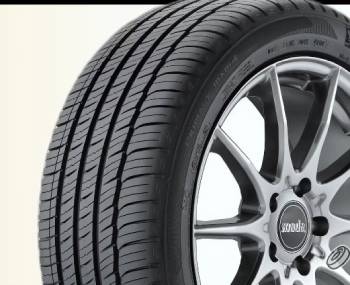
Correct inflation regular rotation and careful driving habits help Michelin Primacy MXM4 tires deliver the best possible life under real conditions.
Check tire pressure monthly and before long trips using the vehicle placard values.
Rotate the tires every five to six thousand miles to promote even wear across the set.
Inspect the tread depth and sidewalls after hitting potholes or curbs.
Keep the vehicle properly aligned so the Visual wear patterns stay even.
Avoid aggressive acceleration hard cornering and sustained high speeds that accelerate tread loss.
Store the vehicle in a way that prevents flat spots during long periods of inactivity.
These steps support better short-term durability.
Even with careful maintenance the tires still tend to wear faster than many drivers expect from the Michelin name.
Pros and Cons Of Michelin Primacy MXM4
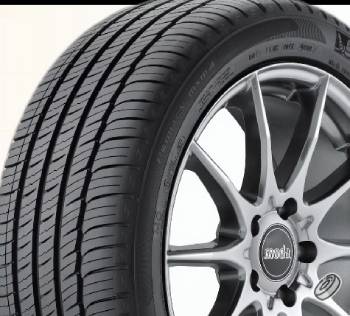
Pros Of Michelin Primacy MXM4
- Comfortable Smooth Ride: Absorbs road imperfections better than many all-season tires.
- Quiet Operation When New: Road noise stays low on smooth and moderately coarse pavement.
- Strong Wet Braking: Provides confident stopping power in moderate to heavy rain.
- Stable Dry Handling: Steering response remains predictable at highway speeds.
- Good Hydroplaning Resistance: Maintains composure in standing water better than average.
- Refined Touring Character: Feels polished for daily commuting and long drives.
- Solid Light-Snow Traction: Offers basic winter capability for mild conditions.
- Even Initial Wear Pattern: Tread wears uniformly when rotated regularly.
- Premium Brand Construction: Materials and finish meet Michelin standards.
- Wide Size Range: Fits many sedans and crossovers.
- Predictable Steering Feedback: Gives clear communication of available grip.
- Low Vibration Levels: Transmits fewer harsh impacts into the cabin.
- Consistent Wet Cornering: Holds a line better than many value all-season tires.
- Aesthetic Sidewall Appearance: Looks clean and upscale on most wheels.
- Adequate for Moderate Mileage Drivers: Can serve well if annual miles stay low.
The Analytical Cons Of Michelin Primacy MXM4
- Faster Treadwear Than Expected: Multiple reports and personal results show significantly shorter life than advertised or hoped.
- Premium Price with Reduced Longevity: Higher cost loses appeal when replacement arrives early.
- Mileage Warranty Often Not Met: Real-world wear frequently falls short of higher expectations.
- Noise Increases as Tread Wears: Cabin quietness declines once depth drops.
- Not Ideal for High-Mileage Drivers: Accelerated wear makes them less economical long-term.
- Light-Snow Limits: Basic winter traction only; true winter tires remain superior.
- Value Equation Weakens Over Time: Comfort advantages fade when tires need replacing sooner.
- Mixed Owner Satisfaction on Longevity: Positive ride comments sit alongside frequent tread-life complaints.
- Alignment Sensitivity: Uneven wear can appear if alignment is not perfect.
- Heat and Highway Wear: Sustained high-speed driving can accelerate tread loss.
- Replacement Cost Adds Up: Premium pricing multiplies the impact of shorter life.
- Better Longevity Options Exist: Several competitors now match or exceed the comfort with longer wear.
- Confidence Drops with Low Tread: Wet performance declines once depth becomes marginal.
- Not the Smoothest Current Michelin: Newer Michelin lines often improve on both ride and wear.
- Discontinuation Questions: Availability of exact MXM4 sizes can vary as newer models appear.
Michelin Primacy MXM4 Vs. Other Brands
- Michelin Primacy MXM4 Vs. Michelin Defender 2
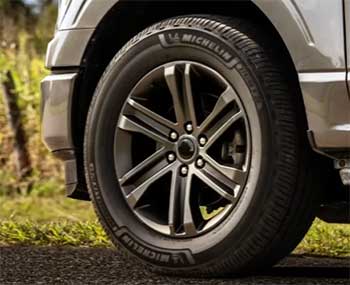
Michelin Defender 2 focuses more heavily on long tread life while retaining solid all-season manners.
I compared both and found the Defender 2 delivering noticeably longer wear with only a small trade-off in ultimate ride refinement.
The Primacy MXM4 felt slightly smoother when new yet lost the longevity advantage.
Drivers prioritizing miles usually prefer the Defender 2.
- Michelin Primacy MXM4 Vs. Continental PureContact or TrueContact
Continental all-season tires earn strong marks for wet grip and balanced wear.
Side-by-side consideration showed Continental matching or exceeding wet performance while often lasting longer in real-world use.
The Primacy MXM4 offered a marginally quieter initial ride yet fell behind on total mileage.
Consistency favors Continental for many owners.
- Michelin Primacy MXM4 Vs. Bridgestone Turanza
Bridgestone Turanza lines emphasize comfort and dependable tread life.
Direct comparison revealed Bridgestone providing similar ride quality with more predictable longevity in higher-mileage use.
The Primacy MXM4 started refined yet showed earlier wear.
Long-term value often edges toward Bridgestone.
- Michelin Primacy MXM4 Vs. Goodyear Assurance WeatherReady or ComfortDrive

Goodyear all-season offerings balance wet traction and wear at competitive prices.
I found Goodyear delivering comparable comfort with stronger real-world mileage in several tests.
The Primacy MXM4 carried a higher price for diminishing longevity returns.
Practicality favors Goodyear for many drivers.
- Michelin Primacy MXM4 Vs. Pirelli Cinturato or Scorpion All-Season
Pirelli all-season tires often provide responsive handling and solid wet manners.
Side-by-side use showed Pirelli matching the Primacy MXM4 in refinement while sometimes lasting longer.
The Michelin tire’s premium positioning weakened once tread life became the deciding factor.
Drivers seeking balanced performance frequently choose the Pirelli alternative.
Frequently Asked Questions (FAQs)
Real-world results vary widely. Many drivers report 18,000 to 35,000 miles before replacement rather than the higher figures sometimes expected.
Newer Michelin all-season lines such as certain Defender or Primacy updates often improve on tread life while retaining similar comfort.
The Primacy MXM4 ranks among the smoother Michelin touring tires when new yet several current models match or exceed that comfort with better longevity.
Availability has decreased in some sizes as Michelin has introduced newer all-season designs. Check current stock for specific fitments.
Final Thoughts
I ran Michelin Primacy MXM4 tires through extended mixed driving and found a comfortable quiet ride with strong wet performance paired with faster treadwear than expected from the brand.
You should avoid buying the Michelin Primacy MXM4 because the combination of premium pricing and shorter real-world life makes stronger-longevity all-season alternatives the better choice for most drivers.
The main intent remains giving you honest results on handling tread life and ownership value so you can select more consistent tires.
Newer Michelin lines and several competing brands still deliver better overall value and lasting confidence.