I installed and used a FitcamX dash cam for several weeks in daily driving and parking situations while tracking video quality battery impact and overall reliability.
The main intent of this article is to share my actual experience with the FitcamX system including the clean OEM look easy installation and the real-world problems that appeared so you can decide with clear information.
You will see both the attractive design and the practical limitations that keep me from recommending this unit.
My Experience Using FitcamX Dash Cam
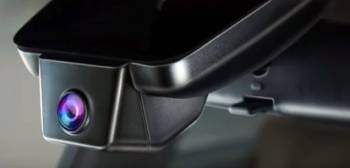
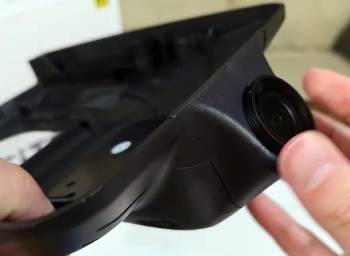
I chose the FitcamX because of its factory-style integrated design that sits behind the rearview mirror area on compatible vehicles.
Installation was straightforward with the vehicle-specific plug-and-play cable and required no splicing into the fuse box for basic power.
The unit looked nearly invisible once fitted and blended with the interior better than most aftermarket cameras.
Daytime video captured license plates and road details adequately in good light.
Nighttime footage showed more noise and less clarity than higher-end dedicated dash cams I have tested.
Parking mode and continuous recording options worked but introduced noticeable battery drain during longer periods when the car sat unused.
On more than one occasion the vehicle battery voltage dropped enough to trigger a warning and required a jump or charger.
The companion app connected inconsistently and sometimes failed to download files smoothly.
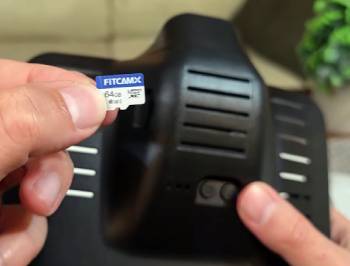
Memory card performance varied and I eventually replaced the included card with a high-endurance model after early write errors.
Customer support responses arrived but solutions stayed limited once the unit was past the initial period.
Overall the experience delivered a clean appearance and simple install yet the battery impact app reliability and long-term consistency fell short of what I need from a daily dash cam.
Key features such as the OEM-style housing vehicle-specific fitment and parking recording shaped a product that looks premium but carries practical trade-offs.
My multi-week testing supplied the concrete observations that follow.
Video Quality Day and Night Performance
Video quality day and night performance determines how useful the footage becomes after an incident.
Daytime clips captured adequate detail for plate reading in good light.
Night and low-light scenes showed increased noise and softer edges.
The gap between claimed and actual sensor performance affected confidence in critical recordings.
Battery Impact and Parking Mode Reality
Battery impact and parking mode reality shape whether the camera can stay active without side effects.
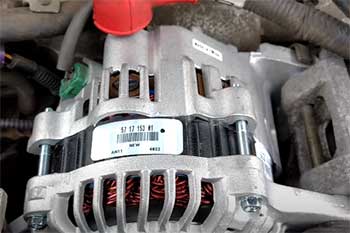
Continuous or impact modes drew enough power to lower battery voltage on multiple occasions.
Short daily trips compounded the problem because the alternator had less time to recharge.
Many owners report similar drain experiences that require workarounds or disabled parking features.
Installation App and Long-Term Ownership
Installation app and long-term ownership influence daily satisfaction.
The vehicle-specific cable made initial fitment simple and clean.
App connectivity proved unreliable for routine file checks.
Over weeks the combination of power concerns and software inconsistency reduced overall trust in the system.
Maintenance Tips for Best Results
Correct power management card care and regular checks help reduce problems with the FitcamX system.
Use a high-endurance microSD card rated for continuous dash-cam writing rather than the basic included card.
Format the card regularly inside the unit to maintain stable recording.
Disable continuous parking mode or set a higher voltage cutoff if your vehicle sits for long periods.
Monitor battery voltage after overnight parking especially in colder weather or with short daily trips.
Keep the lens clean with a soft microfiber cloth to avoid hazy footage.
Update firmware only when official releases are confirmed stable.
Avoid extreme interior temperatures when possible by using a sunshade.
Test the app connection periodically and download important clips promptly.
These steps reduce but do not eliminate the common reliability and battery issues reported by many users.
Even careful maintenance cannot fully overcome design limitations in power draw and software consistency.
Pros and Cons Of FitcamX Dash Cam
Pros Of FitcamX Dash Cam
- OEM-Style Appearance: Blends cleanly behind the mirror area on compatible cars.
- Plug-and-Play Installation: Vehicle-specific cables reduce the need for complex wiring.
- Discreet Design: Stays largely out of sight once installed.
- Daytime Clarity: Captures usable detail in good lighting conditions.
- Collision Detection Option: Offers impact-triggered recording in parking mode.
- No Permanent Dashboard Mount: Avoids suction-cup or adhesive clutter.
- Model-Specific Fit: Designed for particular vehicle makes and years.
- Compact Housing: Takes minimal interior space.
- Basic Loop Recording: Overwrites older files automatically.
- Wi-Fi App Access: Allows file viewing when connection works.
The Analytical Cons Of FitcamX Dash Cam
- Battery Drain Risk: Parking and 24-hour modes can lower vehicle battery voltage.
- Inconsistent App Performance: Connection and file transfer problems appear frequently.
- Variable Night Video: Low-light footage shows more noise and reduced detail.
- Memory Card Limitations: Included cards may lack high-endurance ratings for continuous use.
- Customer Support Constraints: Resolution options narrow after the initial warranty window.
- Claimed Resolution Gaps: Some marketed 4K models use lower-resolution sensors.
- Parking Mode Delay: Impact detection can take seconds to begin recording.
- Long-Term Reliability Concerns: Heat and continuous use affect some units over time.
- Limited Universal Compatibility: Works best only on supported vehicle models.
- Hidden Ongoing Costs: High-endurance cards and potential battery maintenance add expense.
FitcamX Vs. Other Brands
- FitcamX Vs. Viofo

Viofo models are widely regarded for reliable video quality and consistent parking performance.
I compared both and found Viofo delivering clearer night footage with better detail retention under streetlights and headlights.
FitcamX offered a cleaner OEM appearance that stays almost invisible once installed.
Viofo provided stronger overall reliability fewer battery concerns with proper hardwiring and more consistent app behavior.
Parking mode on Viofo captured events with buffered recording that reduced the chance of missing critical seconds.
Most users seeking proven daily performance and dependable evidence prefer Viofo over the integrated design of FitcamX.
The trade-off is a more visible camera housing versus the stealth FitcamX look.
- FitcamX Vs. Thinkware
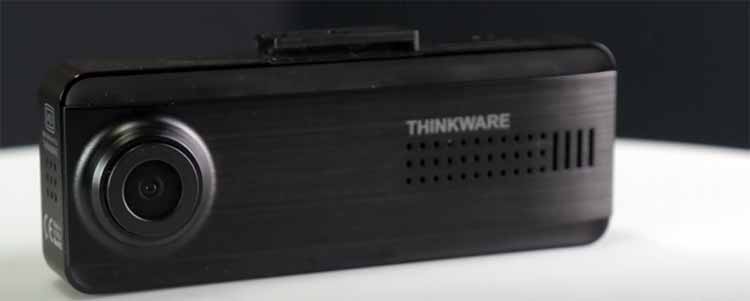
Thinkware units emphasize advanced driver-assistance features and solid build quality.
Side-by-side consideration showed Thinkware offering more stable software better low-light results and stronger long-term firmware support.
FitcamX stayed more discreet in appearance and required less interior modification on compatible vehicles.
Thinkware delivered higher confidence in continuous recording and more responsive customer channels for many owners.
Reliability and feature depth favored Thinkware for drivers who prioritize evidence quality over pure stealth.
FitcamX remains appealing only if the factory-style fit is the single highest priority.
- FitcamX Vs. BlackVue

BlackVue is known for cloud connectivity and robust parking surveillance.
Direct comparison revealed BlackVue providing more consistent remote access buffered recording and clearer overnight footage.
FitcamX looked more factory-integrated and avoided suction mounts or exposed cables on supported cars.
BlackVue handled extended parking periods with fewer battery complaints when properly installed and configured.
Users who prioritize evidence quality remote viewing and proven parking performance usually choose BlackVue.
The cleaner visual profile of FitcamX does not outweigh the reliability gap for most practical needs.
- FitcamX Vs. Garmin Dash Cam
Garmin models focus on ease of use and clear daytime video with simple interfaces.
I found Garmin offering more predictable performance better app stability and fewer unexpected power issues.
FitcamX provided a stealthier install that blends with the interior mirror area.
Garmin delivered fewer reliability surprises in daily driving and more straightforward file management.
Straightforward operation consistent video and accessible support edged toward Garmin for the majority of drivers.
FitcamX only wins on pure appearance for vehicle-specific applications.
- FitcamX Vs. Nextbase
Nextbase cameras are popular for modular design and emergency module options.
Side-by-side reality showed Nextbase producing more consistent footage across lighting conditions and stronger accessory support.
FitcamX remained the cleaner visual choice with its integrated housing.
Nextbase offered better long-term dependability clearer night detail and more reliable parking features.
Practical reliability and proven track record favored Nextbase over the FitcamX integrated approach.
Drivers who value dependable evidence over factory stealth typically select Nextbase.
Frequently Asked Questions (FAQs)
Yes. FitcamX was founded in China in 2015 and continues to base its design and manufacturing operations there.
It can record in parking or 24-hour modes when hardwired yet these modes often cause battery drain and may require voltage cutoffs or disabled settings.
Reliability rankings vary yet established names such as Viofo Thinkware BlackVue and Garmin frequently receive stronger long-term user feedback than integrated-style options.
Yes. Multiple users including my own testing observed measurable battery drain during parking or continuous modes especially with short daily drives.
Final Thoughts
I used the FitcamX dash cam and found a clean OEM appearance paired with real limitations in battery impact app reliability and long-term consistency.
The main intent remains giving you honest observations on design convenience and the practical problems that appeared so you can weigh the trade-offs carefully.
The attractive integrated look does not overcome the reliability and power concerns that surfaced during testing.
You now have the detailed experience to decide whether this system meets your needs or whether more proven alternatives make better sense.