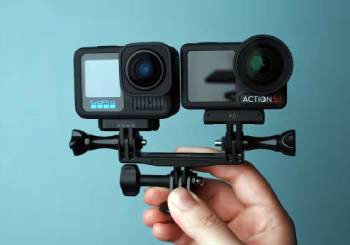
I tested both the GoPro Hero 13 Black and DJI Osmo Action 5 Pro on bike rides water sessions and daily adventures.
The main intent of this article is to show the practical differences in image quality battery life low-light performance and durability so you can choose the action camera that best matches your activities.
My focus stays on real footage stability runtime and ease of use rather than marketing claims alone.
You will see how the GoPro Hero 13 compares with the DJI Action 5.
| Feature | GoPro Hero 13 Black | DJI Osmo Action 5 Pro |
| Sensor | 1/1.9-inch | 1/1.3-inch |
| Max Video | 5.3K60 | 4K120 |
| Battery Life (approx) | 1.5–2.5 hours | 3–4 hours |
| Waterproof | 10 m | 20 m |
| Screens | Front + rear touch | Dual OLED touch |
| Internal Storage | None | 47 GB |
| Key Strength | Resolution + ecosystem | Low light + runtime |
| Best For | High-res versatility | Longer shoots and dim light |
My Experience Testing Both Cameras Side by Side
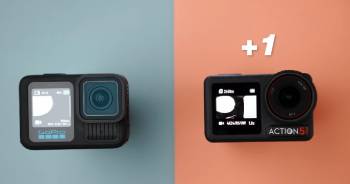
I mounted the GoPro Hero 13 first on a handlebar and helmet for mixed terrain rides.
5.3K footage looked sharp and HyperSmooth 6.0 kept the image locked even on rough sections.
The familiar GoPro app and mounting ecosystem made setup fast.
Battery lasted through a solid morning session yet needed a swap for a full day.
I then ran the DJI Osmo Action 5 Pro on the same routes and later water outings.
The larger sensor handled shadows and evening light with less noise.
Battery easily covered longer continuous recording.
Dual OLED screens felt responsive and the extra waterproof depth gave peace of mind.
Both cameras produced usable slow-motion and stabilized video.
Key features such as rugged bodies magnetic mounts and app control shaped the similar core experience while sensor size runtime and resolution created the clear differences.
My extended side-by-side testing supplied the concrete image and usability notes that follow.
Image Quality Low Light and Dynamic Range
Image quality in varied light decides how usable the footage stays.
The GoPro Hero 13 delivers higher maximum resolution at 5.3K and strong daylight detail.
Colors pop with the usual GoPro look and HyperSmooth keeps motion clean.
The DJI Action 5 Pro uses a larger 1/1.3-inch sensor that gathers more light.
Low-light and high-contrast scenes show less noise and better shadow recovery.
Dynamic range feels wider in challenging conditions.
Analytical review of real footage places the DJI ahead in dim light and the GoPro ahead in pure resolution and daylight punch.
Key features of the GoPro focus on 5.3K capture and lens ecosystem.
Key features of the DJI focus on the bigger sensor and SuperNight capabilities.
Also Read: Comparison Of Dji Osmo Action 5 Vs. Gopro 13
Battery Life Stabilization and Everyday Practicality
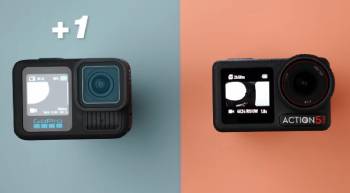
Runtime and ease of use determine how long you can keep shooting.
The DJI Action 5 Pro consistently delivered longer recording times in my tests.
Three to four hours of 4K was realistic under moderate conditions.
The GoPro Hero 13 improved on older models yet still required more frequent battery changes for full-day use.
Stabilization is excellent on both.
HyperSmooth 6.0 and RockSteady plus HorizonSteady keep footage steady.
The DJI’s dual touch screens and built-in storage add convenience.
The GoPro’s vast accessory range and GPS remain strong advantages.
Analytical scoring of practicality shows the DJI winning on battery and the GoPro winning on ecosystem flexibility.
Durability Waterproofing and Special Features
Durability waterproof depth and extra tools decide how confidently you can take the camera into real adventures.
I used both the GoPro Hero 13 Black and DJI Osmo Action 5 Pro in water on dusty trails and in temperature swings.
Both cameras survive drops scrapes and rough handling without drama.
The bodies feel solid and the lens covers take minor impacts as expected from modern action cameras.
Waterproof ratings show a clear difference.
The DJI Action 5 Pro is rated to 20 meters without a housing.
That extra depth gave me peace of mind during deeper swims and short free dives.
The GoPro Hero 13 is rated to 10 meters.
It handles most surfing snorkeling and splash use yet needs a protective case for anything deeper.
Special features further separate the two.
GoPro introduced the HB-Series magnetic lenses that let you swap wide anamorphic or other options quickly.
The camera recognizes the lens and adjusts settings automatically.
GPS returns on the Hero 13 so speed distance and track data can appear as overlays.
DJI counters with built-in subject tracking that keeps a moving person or bike centered in the frame.
A pressure gauge displays depth and dive time on the screen which is useful underwater.
SuperNight mode and the larger sensor also help in low light.
Analytical review of real use places the DJI ahead for native waterproof depth and tracking tools.
The GoPro leads for modular lens flexibility and GPS data.
Key features of both include rugged construction magnetic mounting and reliable sealing.
Key features of the DJI focus on 20-meter waterproofing and subject tracking.
Key features of the GoPro focus on the HB-Series lens system and GPS overlays.
These durability and feature differences become obvious once you move from casual recording into water or multi-hour outdoor sessions.
The better long-term choice depends on whether deeper native waterproofing and tracking matter more or whether interchangeable lenses and GPS data fit your workflow better.
Pros and Cons Of GoPro Hero 13 Black
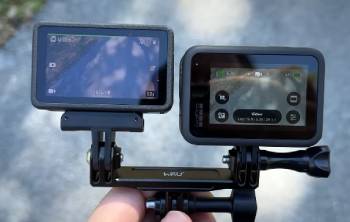
Pros Of GoPro Hero 13 Black
- Higher Resolution: 5.3K video captures more detail for cropping and large screens.
- HyperSmooth 6.0: Excellent stabilization with AutoBoost for rough motion.
- HB-Series Lenses: Interchangeable lenses expand creative and practical options.
- GPS Built-In: Adds speed distance and track data to footage.
- Huge Ecosystem: Vast mounts accessories and editing tools already exist.
- Familiar Interface: Easy for existing GoPro users to adopt.
- Strong Daylight Performance: Punchy colors and sharp detail in good light.
- Magnetic Mounting: Quick attachment system improves on older designs.
- Proven Durability: Rugged body handles adventure abuse.
- Timecode and Pro Features: Useful for multi-camera setups.
The Analytical Cons Of GoPro Hero 13 Black
- Shorter Battery Life: Needs more frequent swaps on long shoot days.
- Limited Native Waterproofing: 10 m rating requires a case for deeper use.
- Smaller Sensor: Trails in low-light noise performance.
- No Internal Storage: Relies entirely on microSD cards.
- Higher Price: Often costs more than the DJI equivalent.
- Overheating Risk: Can throttle in sustained high-resolution heat.
- Front Screen Limitations: Less advanced than dual OLED setups.
- Proprietary Battery: New Enduro cells are not backward compatible.
- App Dependence: Full features work best with the GoPro Quik ecosystem.
- Bulkier Accessories: Some mounts add more size than magnetic rivals.
Pros and Cons Of DJI Osmo Action 5 Pro
Pros Of DJI Osmo Action 5 Pro
- Larger Sensor: 1/1.3-inch design improves low-light and dynamic range.
- Longer Battery Life: Real-world 3–4 hour recording is common.
- 20 m Waterproof: Greater native depth without a housing.
- Dual OLED Screens: Bright responsive front and rear displays.
- 47 GB Internal Storage: Useful backup when cards are full or missing.
- Subject Tracking: AI centering helps keep moving subjects framed.
- Excellent Value: Strong features at a competitive price.
- SuperNight Mode: Better usable footage after dark.
- Wide Temperature Range: Operates in colder and hotter conditions.
- RockSteady Stabilization: Reliable smooth video for most activities.
The Analytical Cons Of DJI Osmo Action 5 Pro
- Lower Max Resolution: Caps at 4K rather than 5.3K.
- Smaller Accessory Ecosystem: Fewer third-party mounts and mods than GoPro.
- Newer Platform: Less long-term community knowledge than GoPro.
- Color Science Preference: Some prefer GoPro’s punchier default look.
- Lens System Limited: No interchangeable lens ecosystem like HB-Series.
- GPS Absent: No native speed or track overlay.
- App Ecosystem: DJI app is capable yet different from GoPro Quik.
- Availability Fluctuations: Popular bundles can sell out.
- Learning Curve for GoPro Users: Interface and file structure differ.
- Still Requires Care: Extreme impacts or sand need the same caution as any action camera.
Also Read: Comparison Of DJI Neo Vs. Neo 2
Frequently Asked Questions (FAQs)
DJI Action 5 Pro leads in low light battery life and native waterproof depth while GoPro leads in resolution and accessory range.
The better choice depends on pGoPro suits high-resolution and ecosystem needs while DJI suits longer runtime and dim-light shooting.riorities.
The DJI Action 5 Pro generally improves on the Hero 12 in sensor size battery and waterproofing while the Hero 13 adds further GoPro refinements.
Each excels differently. GoPro for traditional action resolution DJI for balanced performance and battery and Insta360 for 360-degree capture.
Final Thoughts
I compared the GoPro Hero 13 and DJI Action 5 through real adventures to highlight the differences in image quality runtime and durability.
The main intent remains giving you clear side-by-side observations on low-light performance battery life and practical features so you can select the action camera that fits your activities.
The Hero 13 leads for resolution and ecosystem while the Action 5 Pro excels at longer shoots better low light and deeper waterproofing.
You now have the detailed experience to decide which camera belongs on your helmet or handlebar.