I wore both the Carhartt J130 and the Carhartt J140 through cold workdays outdoor chores and daily commuting under the same conditions.
The main intent of this article is to show the practical differences in shell fabric break-in feel warmth and everyday durability so you can choose the active jacket that best matches your needs.
My focus stays on real comfort stiffness wind resistance and long-term wear rather than marketing claims alone.
You will see how the J130 compares with the J140.
| Feature | Carhartt J130 | Carhartt J140 |
| Shell Fabric | Washed / Sandstone duck | Firm duck |
| Initial Feel | Softer broken-in | Stiff structured |
| Warmth | High (quilted flannel) | High (quilted flannel) |
| Break-in Time | Minimal | Longer |
| Best For | Immediate comfort | Maximum rugged structure |
My Experience Testing Both Jackets Side by Side
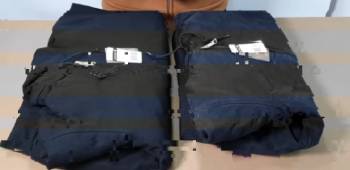
I started with the Carhartt J140 for several weeks of cold-weather work and outdoor time.
The firm duck shell felt rigid and protective right out of the package.
Wind resistance was strong and the quilted flannel body lining plus insulated sleeves held heat well.
The jacket required time and wear before it softened.
I then switched to the Carhartt J130 under the same temperatures and activity levels.
The washed duck shell felt noticeably softer and more flexible from the first wear.
Warmth stayed comparable thanks to the same quilted flannel and insulation approach.
Both jackets featured attached hoods rib-knit cuffs and waistbands and a loose active fit that allowed layering.
Key features such as heavyweight duck canvas quilted linings and classic Carhartt construction shaped the similar work-ready experience while shell stiffness and break-in differences stood out clearly.
My extended side by side testing supplied the concrete comfort warmth and durability notes that follow.
I paid attention to how each handled wind moisture and repeated movement.
Neither jacket failed to keep me warm during typical cold conditions.
The choice came down to whether I wanted immediate softness or the traditional firm duck structure that breaks in over time.
Shell Fabric Stiffness and Break-In
Shell fabric and stiffness decide how the jacket feels on day one and after months of use.
The J140 uses firm duck that starts rigid and structured.
It resists abrasion well and develops character as it softens with wear and washing.
The break-in period can last weeks or months depending on how hard you work in it.
The J130 uses washed or sandstone duck that arrives already softened.
It feels broken-in immediately and moves more freely during the first wears.
Durability remains high on both yet the firm duck of the J140 holds a slight edge for pure toughness against sharp edges and heavy abrasion.
Analytical review of fabric performance places the J140 ahead for traditional ruggedness and the J130 ahead for out-of-the-box comfort.
Key features of the J140 include the firm unwashed duck that ages with the wearer.
Key features of the J130 focus on the pre-washed softer hand feel.
Real daily wear confirmed the stiffness difference is the most noticeable distinction between the two jackets.
Warmth Insulation and Cold Weather Performance
Warmth and insulation determine how well the jackets handle cold days.
Both the J130 and J140 use a quilted flannel lining in the body and hood along with insulated sleeves.
In my testing the heat retention felt nearly identical during steady work and standing around in cold air.
The firm duck of the J140 blocked wind slightly better when new because of its denser structure.
Once broken in the difference narrowed.
Hood coverage rib-knit cuffs and waistbands worked the same on both models to seal out drafts.
Analytical scoring of warmth places the two jackets in a virtual tie for real-world cold weather use.
Key features of both include the quilted flannel package and heavyweight duck shell.
Real cold-day testing confirmed either jacket keeps you warm when layered appropriately for the temperature.
Fit Durability and Everyday Practicality
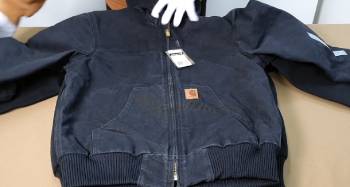
Fit durability and practicality influence how the jacket performs across months of real work and daily wear.
I wore both the Carhartt J130 and the Carhartt J140 through the same cold days job tasks and weekend chores to judge these factors.
Both jackets share a loose active fit that leaves room for layering over hoodies flannels or light sweatshirts.
The cut allows free movement when reaching climbing or swinging tools.
Sizing felt consistent between the two once the stiff new J140 began to soften.
The J140’s firm duck shell resisted scuffs scrapes and sharp contact better during the early weeks.
It kept a cleaner structured appearance longer and shrugged off abrasion that would mark softer fabric sooner.
The J130 showed a lived-in look faster yet still handled the same rough use without tearing or seam failure.
Pockets on both models stayed secure and accessible with gloves on.
Hood drawcords rib-knit cuffs and waistbands functioned identically to block drafts and keep the jacket in place.
Hardware including zippers and snaps held up to repeated daily cycles on each jacket.
Analytical review of practicality shows the J130 winning for immediate all-day comfort and the J140 winning for classic rugged structure that ages with purpose.
Key features of both include heavyweight duck construction durable stitching and the familiar Carhartt active-jac layout.
Key features of the J140 emphasize long-term abrasion resistance and shape retention.
Key features of the J130 focus on flexible movement and a broken-in feel that needs no waiting period.
Real multi-month wear confirmed either jacket survives demanding use when treated with basic care such as occasional washing and re-waterproofing of the cotton duck.
The practical differences become clear after the first few hard weeks and help match the right jacket to whether you value instant softness or traditional firm-duck toughness.
Also Read: Comparison Of Ridgecut Vs. Carhartt Clothing
Pros and Cons Of Carhartt J130
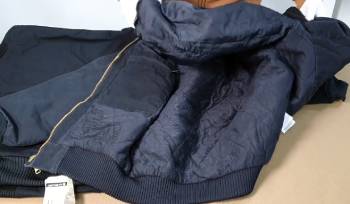
Pros Of Carhartt J130
- Softer Out of the Box: Washed duck feels broken-in from the first wear.
- Immediate Comfort: Flexible shell moves easily during work and daily activity.
- High Warmth Level: Quilted flannel body and insulated sleeves handle cold conditions.
- Classic Active Fit: Loose cut allows easy layering underneath.
- Good Wind Resistance: Heavyweight duck blocks cold air effectively.
- Durable Construction: Holds up to regular work and outdoor use.
- Attached Hood: Provides extra protection when needed.
- Rib-Knit Cuffs and Waist: Help seal out drafts.
- Timeless Style: Recognizable Carhartt look that ages well.
- Easier Break-In: No long stiff period before the jacket feels natural.
The Analytical Cons Of Carhartt J130
- Less Initial Structure: Softer shell lacks the rigid protective feel of firm duck.
- Shows Wear Sooner: Pre-washed fabric develops a lived-in appearance faster.
- Slightly Less Abrasion Resistance: May mark more easily against sharp surfaces.
- Availability Changes: Some original J130 versions have been updated or discontinued.
- Water Resistance Limited: Cotton duck absorbs moisture and needs treatment.
- Bulk When Layered: Loose fit can feel large over multiple thick layers.
- Hood Bulk: Attached hood adds weight when not in use.
- Price Variation: Can cost more than basic firm-duck options depending on retailer.
- Color Fading Possible: Washed fabric may show sun and wash effects earlier.
- Not the Stiffest Option: Drivers who prefer maximum structure may look elsewhere.
Pros and Cons Of Carhartt J140
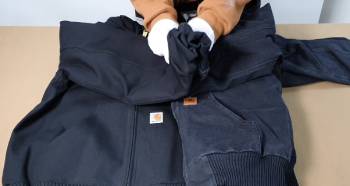
Pros Of Carhartt J140
- Firm Duck Structure: Rigid shell offers classic rugged protection and presence.
- Excellent Abrasion Resistance: Handles scrapes and rough surfaces well.
- High Warmth Level: Quilted flannel body and insulated sleeves perform in cold weather.
- Traditional Break-In: Develops character and softens with real use over time.
- Strong Wind Blocking: Dense firm duck resists cold air effectively.
- Iconic Appearance: Delivers the look most people associate with Carhartt work jackets.
- Durable Long-Term: Maintains shape and toughness through hard seasons.
- Attached Hood: Adds versatility for changing conditions.
- Rib-Knit Closures: Cuffs and waist help keep warmth inside.
- Proven Work History: Long-standing favorite for outdoor and job-site use.
The Analytical Cons Of Carhartt J140
- Stiff When New: Requires a noticeable break-in period before it feels comfortable.
- Less Flexible Initially: Restricts movement more than washed-duck versions at first.
- Heavier Feel: Firm duck adds a bit more weight compared with softer shells.
- Water Absorption: Cotton duck still soaks up moisture without regular treatment.
- Bulk and Layering: Loose fit can become cumbersome with heavy base layers.
- Hood Adds Weight: Attached hood is useful yet increases overall bulk.
- Break-In Time Investment: Not ideal for users who want instant softness.
- Price Premium Possible: Iconic status can raise cost at some retailers.
- Shows Creases Early: Stiff fabric holds fold marks until broken in.
- Overkill for Light Use: Maximum structure exceeds needs for casual wear only.
Also Read: Comparison Of carhartt j130 vs j140
Frequently Asked Questions (FAQs)
No the Carhartt J140 is a current production style though older made-in-USA versions are sometimes sought by collectors.
Yes the Carhartt J140 is good for winter thanks to its quilted flannel lining insulated sleeves and heavyweight firm duck shell.
Yes the Carhartt J130 is a good work jacket that offers solid warmth durability and a softer feel right from the start.
Yes the Carhartt J140 is insulated with a quilted flannel body lining and insulated sleeves for cold-weather performance.
Final Thoughts
I compared the Carhartt J130 and J140 through real cold-weather wear to highlight the differences in shell fabric comfort and durability.
The main intent remains giving you clear side by side observations on stiffness warmth and long-term feel so you can select the active jacket that fits your work and climate.
The J130 leads for immediate softness and comfort while the J140 excels at traditional firm-duck structure and rugged presence.
You now have the detailed experience to decide which Carhartt jacket belongs in your cold-weather rotation.