I wrote this article to compare the ASICS GT-1000 and GT-2000 through real road and treadmill miles so you can pick the stability shoe that matches your support needs and training volume.
You will see how each model feels underfoot how the cushioning and guidance differ and which situations favor one over the other.
Both shoes target overpronation yet they sit at different points in the ASICS stability range.
Comparison Between Asics Gt 1000 Vs. Gt 2000
| Feature | ASICS GT-1000 | ASICS GT-2000 |
| Category | Entry-level stability | Mid-level stability |
| Cushioning | FlyteFoam basic to moderate | FF Blast + Gel elements more plush |
| Stability Level | Mild to moderate | Moderate to higher |
| Weight | Lighter | Slightly heavier |
| Best For | Daily training walking shorter runs | Higher mileage longer runs |
| Ride Feel | Firmer more grounded | Softer more cushioned |
| Price Range | Lower | Higher |
| Drop | Around 8 mm | Around 8 mm |
| Upper | Functional breathable | More refined engineered mesh |
| Durability Focus | Solid for the price | Higher overall build |
I logged several weeks in the GT-1000 first because I wanted a lighter stability option for easy days and recovery runs.
The shoe felt responsive right away with a firmer midsole that gave clear ground feedback.
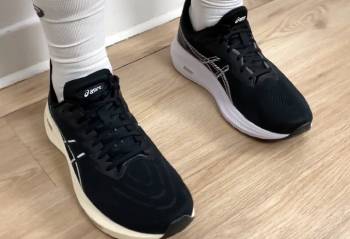
Guidance stayed present on the medial side without feeling forced and my mild overpronation stayed controlled during steady paces.
The upper locked my foot securely and the toe box offered enough room for natural splay on longer efforts.
I used the GT-1000 for everyday road runs gym sessions and some walking days and the lighter weight helped the miles pass without extra leg fatigue.
Cushioning worked well for shorter to medium distances yet I noticed more residual tiredness in my legs after runs that stretched past the one hour mark.
Outsole wear remained even and the traction held up on dry and slightly damp pavement.
When I switched to the GT-2000 the difference in underfoot softness became obvious within the first few strides.
The combination of FF Blast style foam and heel Gel created a more protected landing and a smoother transition through midstance.
Stability elements felt a step more supportive which helped on days when my form broke down from fatigue.
I took the GT-2000 on longer weekend runs and back to back training days and the extra cushioning reduced the accumulated stress I had felt in the GT-1000.
The upper on the GT-2000 hugged more precisely and the heel collar stayed comfortable over extended time on feet.
Weight difference registered as noticeable yet acceptable because the added protection paid off on higher volume weeks.
Both shoes handled daily training without hot spots or major fit issues once I settled on the correct size.
I alternated them across different run types to isolate the strengths.
The GT-1000 stayed my preference for quicker shorter sessions and easy recovery days where a lighter firmer ride felt more natural.
The GT-2000 became the choice for longer efforts or days when my legs needed more protection.
Neither shoe turned me into a different runner yet the GT-2000 clearly extended my comfortable distance before fatigue set in.
That side by side experience across varied terrain and distances shapes the detailed comparison that follows.
Maintenance Tips for Asics Gt 1000 Vs. Gt 2000
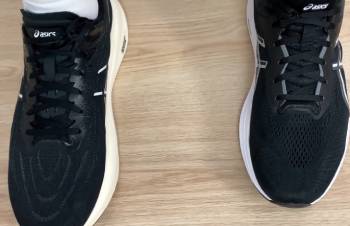
Proper care of both the ASICS GT-1000 and GT-2000 starts with rotation and cleaning habits that protect the midsole and upper.
Alternate the shoes across run days rather than wearing the same pair consecutively so the foam recovers fully between efforts.
Remove the insoles after wet or sweaty runs and allow both the insoles and shoes to air dry at room temperature away from direct heat sources.
Brush off road grit and dirt from the outsole and upper with a soft dry brush before storage. Spot clean the mesh with mild soap and water when needed then let the shoes dry completely before the next use.
Avoid machine washing because excess water and agitation can break down the adhesives and foams.
Store the pairs in a cool dry place with shape maintained rather than crushed under other gear.
Check the outsole wear pattern every few weeks and retire the shoes once the rubber smooths significantly or the midsole feels flat.
Replace the stock insoles with supportive aftermarket options when they compress if your feet need the extra layer. These steady practices help both models deliver consistent cushioning and stability across their usable lifespan.
I ran the GT-1000 and GT-2000 through the same mix of easy days longer efforts and recovery sessions and the practical differences settled into clear roles.
The GT-1000 serves best as a lighter firmer option for shorter runs walking and mixed training where ground feel and lower weight matter most.
The GT-2000 steps up for higher volume weeks and longer runs where the added cushioning and stability guidance protect the legs more effectively.
Both shoes manage mild to moderate overpronation yet the GT-2000 provides the more complete package for runners who log serious weekly mileage.
Fit remained secure on both once sized correctly and neither created hot spots during the test period.
After extensive back to back use I keep both in rotation because each handles different training demands without overlap.
That real road experience should help you match the right GT model to your own weekly volume and support needs.
Pros and Cons Of ASICS GT-1000
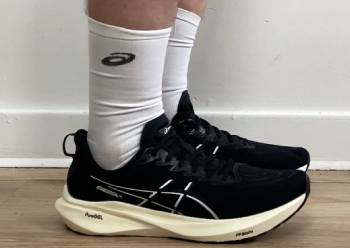
Pros Of ASICS GT-1000
- Lighter Weight For Easier Miles: The reduced mass helps the shoe feel quick and less tiring on shorter runs and recovery days.
- Firmer Grounded Ride: Clear feedback from the road supports a connected feel that many runners prefer for form awareness.
- Solid Entry Level Stability: Medial support manages mild to moderate overpronation without excessive bulk or control.
- Lower Price Point: Cost sits below the GT-2000 making the shoe accessible for runners building a rotation or seeking value.
- Versatile For Mixed Use: Works for road running walking gym work and easy daily training without specialized limitations.
- Durable Outsole For The Category: Rubber coverage holds up well under regular mileage at the price level.
- Secure Functional Upper: Breathable mesh and reliable lockdown keep the foot in place across different paces.
The Analytical Cons Of ASICS GT-1000
- Limited Cushioning For Long Runs: Protection thins out on efforts beyond moderate duration leading to earlier leg fatigue.
- Basic Foam Compound: Energy return and plushness stay modest compared with higher models in the lineup.
- Less Refined Stability: Guidance works for milder needs yet higher mileage or stronger overpronation may require more support.
- Firmer Feel May Not Suit Everyone: Runners seeking maximum softness underfoot can find the ride too firm on hard surfaces.
- Upper Details Stay Functional: Premium engineered overlays and plush collars appear more on the GT-2000.
- Stack Height Sits Lower: Less overall foam reduces the protective barrier on longer or recovery focused days.
- Less Ideal As Sole Shoe For High Volume: Runners logging significant weekly miles often prefer more cushioning.
Pros and Cons Of ASICS GT-2000
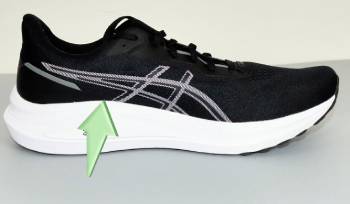
Pros Of ASICS GT-2000
- More Plush Cushioning Package: FF Blast style foam and Gel elements create a softer landing and smoother ride on longer efforts.
- Stronger Stability Guidance: Enhanced medial support helps manage moderate overpronation especially as fatigue accumulates.
- Better For Higher Mileage: Extra protection reduces residual soreness across back to back training days.
- Refined Upper Construction: More precise fit and improved breathability support comfort over extended time on feet.
- Balanced Daily Trainer Role: Handles easy runs tempo work and long efforts with consistent performance.
- Improved Energy Return Feel: The midsole compounds give a bit more liveliness than the firmer GT-1000.
- Proven Longevity In Rotation: Many runners keep the GT-2000 as a reliable workhorse across full training cycles.
The Analytical Cons Of ASICS GT-2000
- Higher Weight Than GT-1000: The added mass registers on quicker sessions and can feel less nimble for some runners.
- Increased Price: Cost sits noticeably above the GT-1000 which may matter for budget focused buyers.
- Softer Ride Can Reduce Ground Feel: Runners who prefer maximum connection to the road may find the cushioning isolates too much.
- Still Not A Maximum Stability Shoe: Strong overpronators or those needing structured support may look higher in the ASICS range.
- Break In Period For Some Feet: The more complex midsole and upper can require a few runs to feel fully dialed.
- Less Ideal For Minimalist Preferences: Stack and softness move away from firm grounded riding styles.
- Overkill For Very Short Easy Days: The extra features add little benefit when runs stay brief and easy.
Also Read: My Thoughts On Why Are On Cloud Shoes So Popular
Frequently Asked Questions (FAQs)
The GT-1000 works well for daily training shorter runs walking and gym use when mild to moderate stability and a lighter firmer ride are preferred.
The GT-2000 suits higher mileage training longer runs and daily work when more cushioning and stronger stability guidance are needed.
Nothing fully replaced the GT-2000. The series continues with updated versions that refine cushioning weight and upper design each year.
Yes the GT-1000 is an entry level stability shoe designed to manage mild to moderate overpronation.
Final Thoughts
I compared the ASICS GT-1000 and GT-2000 across real training miles so you can see which stability features and cushioning levels match your running needs.
Both deliver reliable support yet the lighter firmer GT-1000 and the more cushioned GT-2000 each serve different weekly demands.
Choose the model that aligns with your typical run length and support requirements so the shoes support consistent training without unnecessary compromise.