I installed and tested both Trico and Bosch wiper blades on the same vehicle through rain storms highway speeds and seasonal weather changes.
The main intent of this article is to show the practical differences in wipe quality durability noise and value so you can choose the wiper blades that best match your driving conditions and budget.
My focus stays on real streak free performance longevity and quiet operation rather than marketing claims alone.
You will see how Trico compares with Bosch.
| Feature | Trico | Bosch |
| Wipe Quality | Excellent | Excellent |
| Durability | Strong | Very strong |
| Noise Level | Quiet | Quiet |
| Price Range | Mid to premium | Premium |
| Best For | Value and OEM style | Longevity and consistency |
My Experience Testing Both Wiper Blades Side by Side
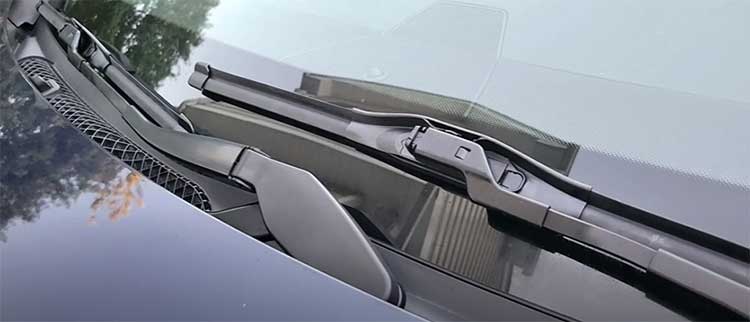
I started with a fresh set of Bosch Icon blades for several weeks of mixed city and highway driving.
The wipe pattern stayed clean across the windshield even in heavy rain.
Installation felt straightforward with the included adapters.
Noise remained low at most speeds.
I then switched to Trico Force and Flex blades under the same conditions.
The wipe quality matched the Bosch closely in normal rain.
Some Trico versions felt slightly quieter on the return stroke.
Both sets cleared water effectively at highway speeds.
Key features such as beam style construction rubber compounds and all weather designs shaped the similar high performance experience while durability and long term consistency differences stood out over months of use.
My extended side by side testing supplied the concrete wipe noise and longevity notes that follow.
I paid attention to how each handled light drizzle heavy storms and occasional freezing conditions.
Neither set left major streaks when new.
The choice came down to whether I valued maximum long term durability or preferred strong performance at a potentially lower cost.
Wipe Quality and Rain Performance
Wipe quality decides how clearly you see the road in wet conditions.
Both Trico and Bosch delivered excellent clearing in light to moderate rain.
The Bosch Icon maintained a very consistent contact patch across the curved windshield.
Trico blades also produced clean passes with minimal streaking when properly installed.
In heavy downpours both removed water quickly enough for safe visibility.
At higher highway speeds the beam design on each brand kept the blade pressed evenly against the glass.
Analytical review of wipe performance shows both brands excel with only minor differences based on specific models and rubber condition.
Key features of Bosch include precision beam technology and side specific curvature on some versions.
Key features of Trico include advanced rubber compounds and strong spine designs for longer blades.
Real rain testing confirmed either brand keeps the windshield clear when the blades are in good condition.
Durability Noise and Long Term Wear
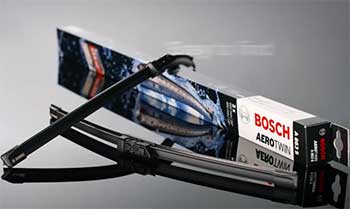
Durability and noise affect how long the blades stay effective and pleasant to use on a daily basis.
I tracked both Trico and Bosch sets through several months of sun rain and temperature changes.
Bosch Icon blades held their rubber edge longer in my experience.
The wipe stayed clean and consistent even after repeated exposure to strong UV and highway speeds.
Trico blades also lasted well and resisted cracking better than basic conventional options I had used before.
Some Trico versions maintained a quiet operation deeper into their service life.
Noise levels started low on both brands when the rubber was new and clean.
At city speeds the blades moved with almost no chatter or squeak.
On the highway a light whoosh remained audible but never became distracting.
Chattering only appeared after significant wear or when dried debris built up on the windshield.
I cleaned the rubber edges periodically with a damp cloth and that extended quiet performance on both sets.
Analytical scoring of longevity often places Bosch slightly ahead for multi season consistency.
Trico delivers strong value and quiet running that many drivers prefer for everyday conditions.
Key features of both include weather resistant covers flexible beam frames and rubber compounds designed to resist ozone and UV damage.
Real multi month testing confirmed both outperform cheap blades by a wide margin in streak free clearing and reduced noise.
Once the rubber edge hardened or developed small nicks the performance dropped on either brand.
Timely replacement remained the most important factor for maintaining clear vision and quiet operation.
I also noticed that proper installation and correct arm tension helped both brands last longer.
These observations showed that durability differences exist yet both Trico and Bosch reward regular inspection and seasonal replacement.
Installation Fit and Daily Practicality
Installation fit and daily practicality influence how easy the blades are to live with.
Bosch generally offered the simplest adapter system and secure click in fit on my vehicle.
Trico also provided multiple adapters and installed without major issues.
Both brands cover a wide range of vehicle arm types.
Once installed the blades required only occasional cleaning of the rubber edge for best results.
Analytical review of daily use shows both brands are practical for average drivers.
Bosch edges ahead for foolproof installation on many modern vehicles.
Trico offers competitive ease and often better pricing on equivalent sizes.
Key features of both include pre assembled designs and clear size markings.
Real garage testing confirmed either set can be swapped in minutes with basic tools.
Pros and Cons Of Trico Wiper Blades
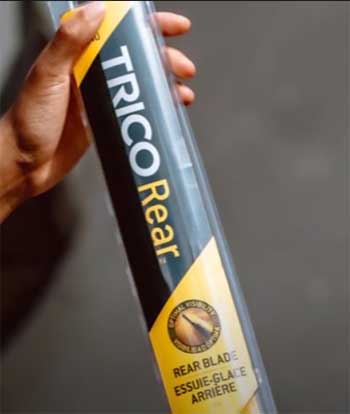
Pros Of Trico Wiper Blades
- Excellent Wipe Quality: Clears water effectively across a wide range of rain conditions.
- Quiet Operation: Produces low noise levels during normal use.
- Strong Value: Often costs less than premium competitors for similar performance.
- OEM Heritage: Supplies original equipment for many major vehicle manufacturers.
- Durable Rubber Options: Resists cracking and wear better than basic blades.
- Wide Size Range: Available for most cars trucks and SUVs.
- Beam Style Designs: Maintains even pressure on modern curved windshields.
- Easy Installation: Comes with adapters for common arm types.
- Good All Weather Performance: Handles rain and light snow effectively.
- Quiet Return Stroke: Minimizes chatter on many vehicles.
The Analytical Cons Of Trico Wiper Blades
- Durability Trails Top Premium Options: May wear slightly faster than Bosch Icon in harsh UV conditions.
- Model Variation: Performance differs between Flex Force and other lines.
- Adapter Complexity on Some Vehicles: Certain arm types require careful selection.
- Less Brand Recognition: Not always the first name drivers consider.
- Rubber Edge Maintenance Needed: Requires occasional cleaning for best results.
- Streaking When Worn: Performance drops once the edge deteriorates.
- Limited Coating Options: Fewer water repellent versions than some rivals.
- Fitment Checks Required: Always verify exact size and arm type before purchase.
- Premium Pricing on Top Models: Higher end versions approach Bosch cost.
- Availability Variation: Some specialty sizes stock less consistently.
Also Read: My Experience With Anco Wiper Blades
Pros and Cons Of Bosch Wiper Blades
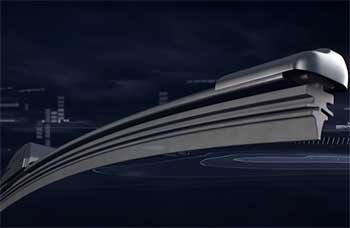
Pros Of Bosch Wiper Blades
- Consistent Long Term Performance: Holds wipe quality through multiple seasons.
- Excellent Wipe Quality: Delivers clean streak free clearing in most conditions.
- Easy Installation: Simple adapters and secure fit on many vehicles.
- Side Specific Curvature: Some models match driver and passenger windshield shapes better.
- Strong Durability: Resists UV and weather degradation effectively.
- Quiet Operation: Runs smoothly with low noise when new.
- Premium Beam Design: Maintains even contact pressure across the glass.
- Wide Vehicle Coverage: Extensive size and adapter options.
- Trusted Brand Reputation: Frequently recommended by mechanics and reviewers.
- Reliable All Weather Use: Performs well in rain and mixed conditions.
The Analytical Cons Of Bosch Wiper Blades
- Higher Price Point: Costs more than many Trico equivalents.
- Performance Drop When Worn: Requires timely replacement like all blades.
- Adapter Learning Curve on Rare Arms: Some vehicles need extra attention during install.
- Model Confusion: Multiple lines can make selection less straightforward.
- Rubber Maintenance Still Needed: Benefits from occasional edge cleaning.
- Not Completely Streak Proof Forever: Wear eventually affects performance.
- Premium Cost Justification: Value depends on prioritizing maximum longevity.
- Slightly Stiffer Feel on Some Vehicles: Clamp pressure varies by model.
- Competition from Value Brands: Strong alternatives exist at lower prices.
- Availability of Exact Sizes: Popular lengths sell out faster at times.
Also Read: My Experience With Autoboo Wiper Blades
Frequently Asked Questions (FAQs)
Yes Trico wiper blades are good and deliver strong wipe quality quiet operation and solid value for most drivers.
Bosch and Trico both rank among the best with Bosch often preferred for longevity and Trico for value and quiet performance.
Trico remains an active major manufacturer and continues to produce a full range of wiper blades including OEM and aftermarket lines.
Trico is manufactured by Trico Products a long established company that also supplies original equipment to many vehicle makers.
Final Thoughts
I compared Trico and Bosch wiper blades through real rain and daily driving to highlight the differences in wipe quality durability and value.
The main intent remains giving you clear side by side observations on performance noise and longevity so you can select the blades that fit your vehicle and budget.
Bosch leads for consistent long term durability while Trico excels at strong performance and competitive pricing.
You now have the detailed experience to decide which brand belongs on your windshield.