I set up and used the Topvision soundbar for several weeks with a bedroom television and everyday streaming while tracking clarity bass response connectivity and daily convenience.
You should buy this soundbar when you want an affordable compact upgrade over thin TV speakers for a smaller room and value clear dialogue more than room-shaking low end.
The main intent of this article is to share my real results on sound quality ease of use and practical performance so you can decide with clear information.
My testing showed solid mid and high clarity useful sound modes and simple connections paired with limited deep bass and occasional loud voice prompts.
My Experience Using Topvision Soundbar
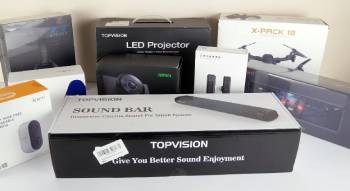
I placed the Topvision soundbar on a low console under a mid-size television in a bedroom with hardwood floors.
The slim 32-inch profile matched the TV width well and the unit sat stably without tipping.
I first connected through the optical cable after removing the small protective caps that delayed the initial setup.
Bluetooth paired quickly with a phone for music testing and the AUX option worked without issues for older devices.
Daytime dialogue on news and streaming shows came through clearer than the built-in TV speakers.
Voices stayed intelligible even at moderate volume and the three DSP modes gave noticeable differences.
Music mode added a bit more openness while theater mode widened the front soundstage.
Original mode kept speech focused and natural.
Bass response felt sufficient for the room size yet never produced the deep impact a separate subwoofer would deliver.
Explosions and music low end remained controlled rather than powerful.
One recurring annoyance was the voice announcements that confirmed inputs and modes at a higher volume than the content itself.
I found no quick way to lower or disable those prompts.
After several weeks of mixed television and music use the soundbar continued to improve clarity over the TV speakers and held up as a practical budget option for a smaller space.
Overall the experience delivered clear mid and high frequencies easy connections and convenient size while revealing limits in deep bass authority and prompt volume control.
Key features such as the 120 W rating 2.1 channel design multiple inputs and slim form factor shaped a product that fits smaller rooms and everyday viewing better than large theater spaces.
My multi-week testing supplied the concrete sound connectivity and practical notes that follow.
Sound Clarity Dialogue and Everyday Listening
Sound clarity dialogue and everyday listening decide how useful the bar feels for regular television.
Voices stayed intelligible and midrange detail improved over the TV speakers.
News sports and dialogue-driven shows benefited most.
Music and movies gained openness yet still lacked deep weight.
Bass Response Room Size and Realistic Expectations
Bass response room size and realistic expectations shape satisfaction.
In a smaller bedroom the low end felt sufficient for most content.
Larger spaces or action-heavy movies exposed the missing authority that a subwoofer would supply.
Matching the bar to room size keeps expectations aligned.
Connectivity Setup and Daily Convenience
Connectivity setup and daily convenience influence how easily the soundbar fits into a routine.
Optical Bluetooth and AUX covered the devices I used.
Once the cable caps were removed setup finished quickly.
Voice prompts remained the main daily interruption.
Also Read: My Experience With Klipsch Flexus Core 100
Value Build and Ownership Outlook
Value build and ownership outlook form the practical summary.
The price delivers a clear step up from thin TV speakers for smaller rooms.
Build quality matches the cost and daily use stays simple.
Realistic ownership treats the Topvision as a compact clarity upgrade rather than a full cinema system.
Maintenance Tips for Best Results
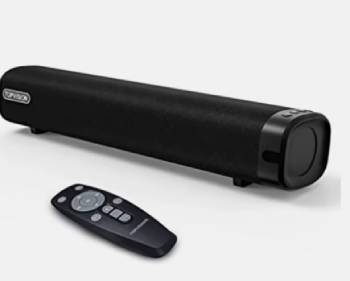
Careful placement connection choices and simple upkeep help the Topvision soundbar deliver consistent daily performance.
Position the bar centered under the television and keep the front grille clear of objects.
Use the optical or HDMI connection for the most reliable television audio when those ports are available.
Remove any protective caps from cables before insertion to avoid setup delays.
Select the sound mode that matches the content and adjust volume to a comfortable level before settling in.
Dust the exterior and grille periodically with a soft dry cloth.
Avoid blocking the rear ports or placing the unit inside a fully closed cabinet that restricts ventilation.
Keep the remote batteries fresh so mode and volume changes stay convenient.
Power the soundbar down when it will sit unused for long periods.
These steps support clearer dialogue stable connections and longer everyday usability.
Even with careful setup the inherent limits in deep bass and prompt volume remain part of the ownership experience.
Pros and Cons Of Topvision Soundbar

Pros Of Topvision Soundbar
- Clear Dialogue and Midrange: Voices and higher frequencies come through with good definition.
- Multiple Sound Modes: Music theater and original settings provide useful variation.
- Compact Slim Design: 32-inch length suits smaller televisions and tight spaces.
- Flexible Placement: Works on a shelf or wall-mounted with the right hardware.
- Multiple Connection Options: Optical HDMI ARC AUX RCA USB and Bluetooth cover most devices.
- Easy Bluetooth Pairing: Connects quickly for phone or tablet music.
- Improved Volume Consistency: Reduces the need to constantly adjust levels compared with TV speakers.
- Affordable Price Point: Delivers a noticeable upgrade without a large investment.
- Stable Build for the Price: Sits securely and feels solid enough for daily use.
- DSP Processing: Helps keep output more consistent across modes.
- Wide Compatibility: Works with TVs computers projectors and set-top boxes.
- Simple Remote Operation: Basic controls cover power volume and mode selection.
- Good for Smaller Rooms: Matches bedroom or office spaces better than large open areas.
- Quick Setup Once Caps Are Removed: Optical and other cables connect cleanly after preparation.
- Lifetime Support Claim: Manufacturer states ongoing technical assistance.
The Analytical Cons Of Topvision Soundbar
- Limited Deep Bass: Low-end impact stays modest without a separate subwoofer.
- Loud Voice Announcements: Mode and input prompts play at a higher volume than content.
- Not Ideal for Large Rooms: Output and staging feel constrained in bigger spaces.
- Bass Lacks Authority for Movies: Explosions and score low end remain controlled rather than powerful.
- No True Surround Rear Channels: Effects stay focused at the front of the room.
- Remote Features Basic: Limited advanced adjustment options.
- Wall-Mount Hardware May Need Extra Attention: Secure mounting requires proper anchors.
- Soundstage Width Average: Stereo effect is present yet not expansive.
- Volume Matching with TV Remote Can Be Tricky: Some users prefer single-remote control.
- Expectations Need Realism: Best viewed as a clarity upgrade rather than a full home-theater system.
- Plastic Build Reflects Price: Materials feel appropriate for the cost yet not premium.
- Mode Switching Audible: Voice confirmations interrupt quiet scenes.
- Low-End Extension Limited: Music with heavy bass loses some weight.
- Room Size Matters: Hardwood smaller rooms benefit more than open floor plans.
- Support Experience Can Vary: Response times and resolution depend on the seller channel.
Topvision Soundbar Vs. Other Brands
- Topvision Soundbar Vs. Roku Streambar
Roku Streambar combines a compact soundbar with built-in streaming features.
I compared both and found the Roku option more versatile for users who want apps in the same device while Topvision focused purely on sound improvement.
Clarity felt comparable in smaller rooms yet Topvision offered a simpler dedicated audio approach at a similar budget level.
Viewers who already own a streaming device often prefer the straightforward Topvision bar.
- Topvision Soundbar Vs. Vizio Budget Soundbars
Vizio entry-level soundbars frequently appear in the same price range with varying channel configurations.
Side-by-side listening showed similar midrange clarity and the same bass limitations when no separate sub is included.
Topvision held its own on dialogue focus while Vizio sometimes offered more brand familiarity.
Shoppers comparing value often decide based on available connections and current pricing.
- Topvision Soundbar Vs. Creative Stage or Similar Compact Bars
Creative and similar compact bars target desktop or small-room use with modest power ratings.
Direct comparison revealed Topvision competitive in clarity and mode options for television use.
Bass remained limited on both.
Users seeking a simple TV upgrade frequently find Topvision sufficient for bedroom or office spaces.
- Topvision Soundbar Vs. Samsung or LG Entry Soundbars
Samsung and LG entry models carry stronger brand recognition and sometimes tighter TV integration.
I found the name-brand options smoother in remote pairing while Topvision stayed competitive on raw clarity for the cost.
Deep bass still required a subwoofer on either side.
Buyers who value brand ecosystem features may pay more while pure sound-for-price shoppers often stay with Topvision.
- Topvision Soundbar Vs. Basic TV Speakers Alone
Built-in television speakers remain the lowest-cost baseline.
Side-by-side reality showed Topvision delivering clearer voices and more usable volume with far less strain.
The upgrade feels worthwhile for dialogue-heavy content even with the bass limits.
Most viewers notice the difference immediately once the soundbar is connected.
Also Read: Comparison Of Bose Soundbar 600 Vs. 700
Frequently Asked Questions (FAQs)
Top choices vary by budget and needs. Higher-rated options often include models from Sony Samsung and Sonos depending on room size and feature priorities.
Topvision is a consumer electronics brand offering budget-friendly audio and related products through major online retailers.
The best model depends on room size budget and whether a separate subwoofer or advanced surround features are required. Premium brands lead in overall performance while value options serve smaller spaces well.
Sound quality rankings favor models with strong clarity balanced tuning and adequate bass support. Dedicated higher-end bars and systems with subwoofers generally outperform compact budget units.
Final Thoughts
I used the Topvision soundbar for several weeks and found clearer dialogue useful sound modes and easy connections paired with limited deep bass and loud voice prompts.
You should buy this soundbar when you want an affordable compact upgrade for a smaller room and prioritize voice clarity over powerful low end.
The main intent remains giving you practical results on sound performance and daily use so you can decide with clear information.
The bar improves everyday television audio for the right space and rewards realistic expectations.