I used both Tablo and TiVo systems side by side for recording live TV managing schedules and watching shows across multiple devices.
The main intent of this article is to show the practical differences in recording reliability interface cost and everyday convenience so you can choose the DVR approach that best matches your setup.
My focus stays on real recording performance guide accuracy and long-term ownership rather than marketing claims alone.
You will see how an antenna-based Tablo compares with TiVo’s more traditional and streaming-oriented experience.
| Feature | Tablo | TiVo |
| Primary Use | Over-the-air antenna DVR | Cable/satellite or streaming DVR |
| Monthly Fees | None required for basic recording | Often requires subscription for full guide and features |
| Recording Storage | User-supplied hard drive or cloud options | Internal or external storage depending on model |
| App Ecosystem | Strong multi-device apps | Solid apps with traditional interface roots |
| Guide Data | Free basic or paid enhanced guide | Subscription-based detailed guide |
| Best For | Cord-cutters with strong antenna signal | Users wanting polished traditional DVR experience |
My Experience Testing Both Systems Side by Side
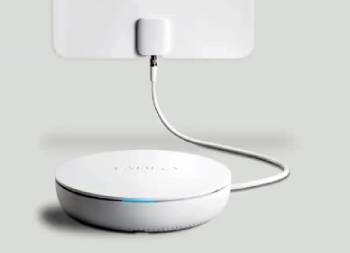
I set up a Tablo device with an outdoor antenna and a modern TiVo unit connected to a live TV source in the same household.
The goal was to record the same primetime shows news and sports while testing playback on TVs phones and tablets.
Tablo connected quickly to the home network and began scanning channels once the antenna feed was solid.
Recording quality depended heavily on signal strength yet once locked in the picture stayed clean.
The Tablo interface felt modern and app-first with easy scheduling from a phone.
TiVo offered a more traditional remote-driven experience with a polished on-screen guide that many longtime users still prefer.
Scheduling series recordings worked on both yet TiVo’s conflict management and season-pass style tools felt more mature in some cases.
Playback on the big screen was smooth with both systems when the network or connection stayed stable.
Tablo made it simple to watch recordings away from home through its apps.
TiVo’s multi-device support was also capable yet the overall ecosystem felt more tied to its own hardware and services.
After several weeks of daily use the differences in cost structure flexibility and interface philosophy became clear.
Tablo rewarded a strong antenna and a willingness to manage storage.
TiVo delivered a refined classic DVR feel at the cost of ongoing fees in many configurations.
Key features such as Tablo’s antenna-based recording and app ecosystem versus TiVo’s guide depth and traditional controls shaped two distinct approaches to the same problem.
My side-by-side testing supplied the concrete observations that follow.
Interface and Daily Navigation
Interface and daily navigation decide how quickly you can find and play what you want.
Tablo leans heavily on its mobile and smart-TV apps.
The design feels clean and modern with large artwork and simple lists.
I could schedule a recording from the couch or from another room with equal ease.
The on-TV interface is functional yet secondary to the phone experience for many tasks.
TiVo keeps a stronger focus on the traditional on-screen guide and remote.
The classic TiVo menu structure still feels familiar to anyone who used earlier models.
Scrolling the guide and setting season passes is fast once you know the button layout.
Both systems load recordings quickly.
Tablo’s app-centric approach wins for users who live on their phones.
TiVo’s remote-driven interface still feels more natural for pure living-room use.
Recording Quality and Reliability
Recording quality and reliability form the core of any DVR decision.
Tablo’s picture quality matched the incoming antenna signal.
Strong channels looked sharp in HD.
Weaker channels showed the expected pixelation or dropouts.
Recordings started and stopped on time when the guide data was accurate.
TiVo delivered consistent recordings from its connected source with fewer signal-related surprises.
Conflict resolution when two shows overlapped felt more automatic on TiVo in some situations.
Both systems handled series recordings well once set up.
Tablo requires more attention to antenna aiming and signal strength.
TiVo depends more on the stability of the cable or streaming feed.
Reliability favored TiVo for set-and-forget users while Tablo rewarded those willing to optimize their antenna.
Guide Accuracy and Scheduling Tools

Guide accuracy and scheduling tools determine how much manual work you do.
Tablo offers a free basic guide and a paid upgraded version with better data.
I found the free guide usable for major networks yet occasionally missing finer details.
Scheduling a single episode or an entire series worked cleanly from the app.
TiVo’s guide has long been one of its strengths.
Detailed descriptions and reliable season-pass logic reduced the chance of missed episodes.
Both systems let you protect recordings from automatic deletion.
Tablo’s guide flexibility is higher if you accept the paid tier.
TiVo’s guide depth remains a strong point for traditional DVR fans.
Apps Multi-Device Access and Streaming Features
Apps multi-device access and streaming features shape how and where you watch.
Tablo’s apps on phones tablets and smart TVs felt consistent and responsive.
Watching a recording on a tablet while another person used the living-room TV worked without major friction.
Remote access from outside the home was straightforward once set up.
TiVo also provides solid apps yet the experience still centers more on the main hardware box.
Streaming features and integrations vary by TiVo model and subscription.
Tablo feels more modern for multi-device households.
TiVo feels more complete for users who primarily watch on one main television.
Also Read: My Experience With Verve Home Phone Base
Cost of Ownership and Ongoing Fees
Cost of ownership and ongoing fees often decide the long-term winner.
Tablo requires the upfront hardware purchase and a hard drive or cloud storage decision.
Basic recording carries no monthly fee.
An optional paid guide improves data quality.
TiVo hardware costs vary and many configurations include ongoing service fees for the full guide and features.
Over two or three years the subscription costs can exceed the price difference in hardware.
Tablo wins clearly on long-term cost for cord-cutters.
TiVo’s fees buy a more polished traditional experience that some users still prefer.
Storage Options and Library Management
Storage options and library management affect how many shows you can keep.
Tablo lets you attach your own hard drive or use cloud options depending on the model.
Capacity is therefore flexible and under your control.
Deleting watched shows and protecting favorites is simple in the app.
TiVo models include internal storage or support external drives with their own management tools.
Both systems handle large libraries once the storage is adequate.
Tablo’s user-supplied drive approach gives more control over cost and capacity.
TiVo’s integrated approach feels more seamless for some owners.
Reliability Network Dependence and Everyday Practicality
Reliability network dependence and everyday practicality determine whether the system stays out of your way.
Tablo needs a stable home network for multi-device viewing and app control.
A strong antenna signal is equally important.
When both are solid the system runs quietly.
TiVo’s reliability depends more on the quality of its live TV source and service connection.
Network issues affect both yet Tablo is more obviously dependent on Wi-Fi for full functionality.
Everyday practicality favors Tablo for antenna households and TiVo for users who want a classic all-in-one DVR feel.
Pros and Cons of Tablo
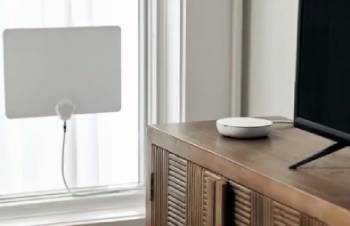
Pros of Tablo
- No Required Monthly Fee: Basic recording works without ongoing subscriptions.
- Strong Multi-Device Apps: Watch and schedule easily from phones and tablets.
- Flexible Storage: Use your own hard drive for large libraries.
- Modern Interface: Clean design that feels current.
- Cord-Cutter Friendly: Designed specifically for antenna users.
- Remote Access: Stream recordings away from home with proper setup.
- Good Value Over Time: Lower long-term cost for many households.
- Simple Series Recording: Easy to set and manage from the app.
- Expandable Capacity: Storage grows with the drive you choose.
- Quiet Operation: Hardware stays unobtrusive once configured.
The Analytical Cons of Tablo
- Antenna Dependent: Poor signal produces poor recordings.
- Guide Data Limits on Free Tier: Enhanced guide requires extra payment.
- Network Reliance: Multi-device use needs solid Wi-Fi.
- Learning Curve for Some Users: App-first design differs from classic DVRs.
- Hardware Variability: Different Tablo models offer different feature sets.
- Occasional Guide Gaps: Less common channels can have thinner data.
- Manual Storage Management: You handle drive health and space.
- No Traditional Cable Integration: Not designed for cable-card style setups.
- Support Experience Varies: Help quality depends on the specific issue.
- Premium Features Cost Extra: Full guide and some cloud options add fees.
Pros and Cons of TiVo
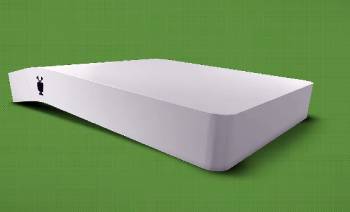
Pros of TiVo
- Polished Traditional Interface: Familiar remote-driven experience.
- Strong Guide Depth: Detailed data and reliable season-pass tools.
- Mature Conflict Management: Handles overlapping recordings well.
- Consistent Recording Quality: Depends less on external antenna variables.
- Refined On-Screen Experience: Feels complete on the main television.
- Established Ecosystem: Long history of DVR feature development.
- Good Single-TV Focus: Excellent for households that watch primarily on one screen.
- Integrated Storage Options: Many models include usable internal capacity.
- Reliable Scheduling: Series recordings tend to catch episodes consistently.
- Familiar Remote Layout: Easy for longtime DVR users to pick up.
The Analytical Cons of TiVo
- Ongoing Service Fees: Full features often require a subscription.
- Higher Long-Term Cost: Fees add up over multiple years.
- Less Flexible for Pure Cord-Cutters: Not optimized for antenna-only homes.
- App Experience Secondary: Mobile access exists yet feels less central.
- Hardware Tied to Service: Some features lock behind the subscription.
- Interface Can Feel Dated to New Users: Traditional menus contrast with modern apps.
- Storage Expansion Limits: Depends on the specific model.
- Less Modern Multi-Device Flow: Sharing across phones and TVs is less seamless.
- Availability of Classic Models Changing: Newer TiVo products shift toward streaming.
- Value Depends on Subscription Tolerance: Best for users who accept the monthly cost.
Who Should Choose Tablo
Tablo fits households that already use or plan to use an antenna for free broadcast TV.
You gain lower long-term cost strong apps and flexible storage.
The system rewards a good signal and a willingness to manage a hard drive.
Families that watch on multiple devices simultaneously will appreciate the app ecosystem.
Who Should Choose TiVo
TiVo still suits users who want a classic polished DVR experience with deep guide data and mature recording tools.
If you prefer a traditional remote and on-screen guide and accept the subscription cost TiVo remains capable.
Households centered on one main television often feel at home with its interface.
Long-Term Ownership and Future Outlook
Long-term ownership and future outlook influence the smarter purchase.
Tablo continues to focus on cord-cutters and antenna users with regular app updates.
TiVo has shifted more toward streaming and hybrid devices while still supporting traditional DVR functions.
Cost of ownership favors Tablo for most antenna-based homes.
Feature maturity and guide depth still give TiVo an edge for users who value the classic approach.
Also Read: My Experience With Eufy Homebase 2 Vs. 3
Frequently Asked Questions (FAQs)
Other OTA DVRs and some streaming devices offer alternatives yet Tablo remains one of the stronger dedicated antenna DVR options for multi-device use.
TiVo continues to sell and support products yet the classic cable-card DVR era has largely given way to newer streaming-focused models.
Increased competition from cable-operator DVRs streaming services and the rise of cord-cutting reduced TiVo’s earlier dominance in the market.
Tablo is worth considering when you have a reliable antenna and want low ongoing costs with solid multi-device recording and playback.
Final Thoughts
I compared Tablo and TiVo through real daily recording and multi-device viewing to highlight the differences in cost interface and reliability.
The main intent remains giving you clear side-by-side observations on recording performance guide tools and ownership value so you can select the system that fits your household.
Tablo leads for antenna-based cord-cutters who want lower long-term cost and strong apps.
TiVo still delivers a refined traditional DVR experience for users willing to accept ongoing fees.
You now have the detailed experience to decide which approach belongs in your living room.