Finding an audio solution that strikes an ideal balance between convenience and genuine acoustic fidelity can often feel like an impossible task.
You want a setup that effortlessly streams high-resolution music from your favorite cloud services while simultaneously functioning as a heavy-duty audio upgrade for your main living room television.
The SVS Prime Wireless Pro Powered Speaker Pair claims to solve this dilemma by squeezing a high-output amplifier, a state-of-the-art digital-to-analog converter, and multiple streaming protocols directly into a compact pair of bookshelf cabinets.
If you are eager to bypass complex standalone audio receivers and introduce an expansive, reference-grade stereo stage directly into your modern home environment, you should buy this active speaker system through a certified high-end audio boutique or an authorized electronic distributor.
My Firsthand Real World Experience With These Powered Speakers
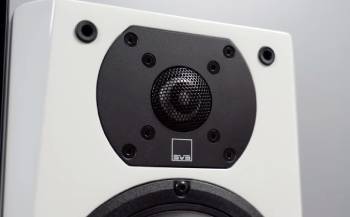
Unboxing these heavy gloss cabinets filled me with considerable anticipation because the overall weight and the flawless finish immediately gave off the impression of a serious piece of audiophile machinery.
Setting up the physical placement on my dedicated media console took roughly fifteen minutes since you simply position the active right enclosure, link it to the passive left channel using the thick included umbilical cable, and connect the primary power cord to a wall outlet.
During the initial two weeks of casual listening, the sonic presentation felt remarkably clear, punchy, and tonally balanced, instantly uncovering delicate instrumental layers in my favorite high-resolution jazz tracks that my old television soundbar completely blurred together.
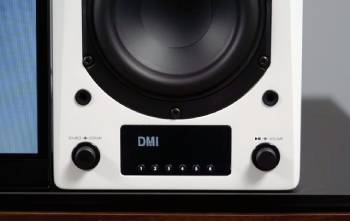
The front-facing organic light-emitting diode screen provided helpful, immediate visual confirmation of my active input source, while the physical preset buttons allowed me to launch my favorite internet radio stations instantly without fishing around for my smartphone.
Unfortunately, my long-term user satisfaction began to degrade considerably once I started relying heavily on the system’s wireless infrastructure for my daily media consumption.
The integrated streaming companion software frequently dropped its connection to my home wireless network during high-bitrate playback, causing the audio stream to freeze up entirely or skip like a scratched compact disc right in the middle of a delicate acoustic passage.
Even worse, the system suffered from an intermittent internal firmware lockup issue where the entire unit became completely unresponsive to commands from the physical dials and the infrared remote control, forcing me to walk over and manually pull the power cord from the wall to force a hard reboot.
When I utilized the high-definition media interface connection to handle my television audio duties, I noticed a frustrating intermittent synchronization lag between the actors’ lip movements on screen and the actual audio output passing through the speakers.
Constantly power-cycling the master enclosure and navigating the clunky, unpolished smart device application turned what should have been a seamless premium listening experience into an ongoing exercise in technical frustration.
Given these regular connection drops, frustrating digital system lockups, and noticeable home theater latency delays, my experience with this system evolved from an acoustic joy into a high-maintenance chore.
Detailed System Maintenance and Performance Optimization Tips
Keeping a sophisticated active speaker system performing at its absolute peak requires a strict routine of physical maintenance, software monitoring, and environmental protection.
Because these cabinets house delicate digital computer processing units alongside traditional mechanical speaker parts, neglect can rapidly lead to early circuit failures or sonic distortion. Use these system guidelines to maintain your gear:
Wipe down the gloss finish of the cabinets using a clean, dry microfiber cloth at least once every fourteen days to prevent abrasive airborne dust particles from micro-scratching the polished outer layers.
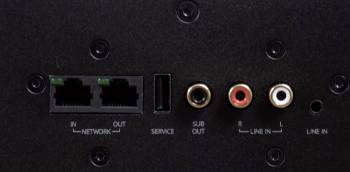
Ensure that the rear metal amplifier cooling plate maintains a minimum clearance of six inches from the nearest wall surface to allow natural air convection to dissipate operational heat effectively.
Check the main smart device application store once a month to ensure your speaker’s internal firmware remains updated to the latest software patch to minimize wireless stability bugs.
Never use liquid window cleaners, chemical solvents, or alcohol-based solutions near the rubber driver surrounds because these harsh substances will dry out and crack the flexible components.
Keep the multi-pin speaker connection cable fully screwed into both cabinets and avoid bending the wire at sharp angles to prevent internal copper strand fractures.
Place the master active enclosure on a stable, vibration-damping isolation pad to prevent the high-output internal amplifier boards from shaking loose over years of heavy bass output.
Disconnect the primary electrical plug from the wall outlet during severe electrical storms to protect the delicate internal digital-to-analog converter chips from fatal voltage surges.
Clean the dust accumulation out of the rear bass ports using a low-powered handheld vacuum attachment to maintain smooth, chuff-free low-frequency air movement.
Avoid exposing the speaker cones to direct afternoon sunlight because continuous ultraviolet radiation will prematurely bleach the wood composite driver materials and weaken glue joints.
Unplug the umbilical connection link only when the system is completely powered down to avoid sending dangerous electrical thumps through the sensitive aluminum dome tweeters.
Pros and Cons of SVS Prime Wireless Pro
Pros:
The mechanical architecture and physical driver alignment of this active speaker pair offer a few undeniable benefits for listeners who want to minimize their physical component footprint while retaining a wide stereo image. Here are the primary structural advantages that I documented during my evaluation process:
- Robust Mid Bass Impact: The custom five and a quarter inch mid-bass driver moves an impressive volume of air, providing deep, authoritative low-frequency punches that easily outperform standard plastic soundbars.
- Reference Grade Treble Clarity: The one-inch aluminum dome tweeter delivers clean, highly extended high frequencies that reveal subtle ambient details in acoustic recordings without sounding overly bright or fatiguing.
- Comprehensive Wired Input Suite: The rear connection plate includes a specialized television interface alongside optical and analog ports, allowing you to connect legacy turntables and modern flat screens simultaneously.
- Tactile Front Panel Presets: Six physical backlit buttons on the front of the enclosure give you instant, one-touch access to your favorite playlists and streaming channels without needing an active smartphone app.
- Dedicated Subwoofer Output Filtering: Plugging an external bass enclosure into the dedicated output automatically engages an internal eighty-hertz crossover, lifting heavy low-end duties away from the main drivers.
Cons:
Despite the glowing marketing materials surrounding this high-performance compact system, a detailed look at long-term operational stability and software execution uncovers severe limitations that make it tough to fully recommend. Here is an exhaustive breakdown of the operational flaws, system vulnerabilities, and design compromises that hold this powered package back:
- Unstable Wireless Streaming Application Architecture: The third-party platform utilized for multi-room synchronization and high-resolution local streaming suffers from frequent connection drops, laggy search menus, and painful dropouts that interrupt your listening enjoyment.
- Total System Firmware Lockups: The internal microprocessor is prone to freezing completely during input transitions, requiring users to physically unplug the main power cable from the electrical outlet to restore normal audio operation.
- Noticeable Television Audio Synchronization Lag: The media interface connection frequently introduces a slight processing delay that throws movie dialog out of alignment with the on-screen action, distracting from the home theater experience.
- Mandatory Heavy Tether Cable Dependency: The active and passive speaker enclosures must remain physically joined by a thick, proprietary multi-pin cable, severely limiting your placement options across a room or mantle.
- Complete Absence of Equalization Controls: The manufacturer provides no user-accessible bass, midrange, or treble adjustment settings, leaving you completely unable to compensate for acoustic reflections caused by nearby walls or corner placements.
- Slow Infrared Remote Control Responsiveness: The included handheld remote features a sluggish command transmission rate that results in a noticeable delay when adjusting the master volume or switching between active sources.
- Significant Heat Generation on Backplate: The internal class-D amplification module generates high operating temperatures along the rear metal panel, requiring ample ventilation space and preventing flush placement against living room walls.
- Lack of Native High Resolution Decoding: The internal digital converter fails to unfold advanced master-quality audio streams natively, forcing serious audiophiles to rely on external hardware to achieve true studio-grade playback.
- High Total Financial Investment: The steep retail price tag makes this package a risky purchase when you consider the ongoing software instability and frequent operational glitches.
Also Read: Comparison Of Bose Soundbar 600 Vs. 700: In
SVS Prime Wireless Pro Vs. Other Brands
- SVS Prime Wireless Pro Vs. KEF LSX II
When you place the SVS system directly alongside the highly acclaimed KEF LSX II, the differences in aesthetic luxury and acoustic engineering philosophy become immediately obvious.
The KEF model utilizes a specialized concentric driver array that places the tweeter directly in the center of the mid-bass unit, creating a perfectly coherent single point source that images with breathtaking accuracy across small rooms.
The SVS option uses a traditional stacked driver arrangement that sounds noticeably larger and deeper in the low frequencies but lacks the pinpoint spatial precision of the KEF design.
Furthermore, KEF relies on a highly polished, proprietary control application that offers stable, reliable wireless connections and comprehensive room equalization adjustments.
The SVS alternative forces users to struggle with an unpolished third-party streaming platform that suffers from regular dropouts and lacks any form of native tonal adjustment controls.
- SVS Prime Wireless Pro Vs. Audioengine HD6
Comparing the SVS model to the traditional Audioengine HD6 highlights a clear divide between modern network-based streaming tech and old-school analog amplification.
The Audioengine HD6 relies on a classic class-A/B internal amplifier configuration that delivers a warm, rich, and distinctly vintage sonic signature that many purists favor for long listening sessions.
The SVS system embraces a highly efficient class-D electronic layout that sounds sharper, more analytical, and significantly more dynamic during intense movie scenes.
However, the Audioengine system completely sidesteps complex network configuration hassles by focusing primarily on rock-solid Bluetooth and direct analog connections.
The SVS active pair attempts to juggle multi-room network streaming, casting protocols, and television interfaces but stumbles frequently due to its glitchy internal processing computer and slow remote response times.
- SVS Prime Wireless Pro Vs. Klipsch The Sevens
Placing the SVS active monitors next to the massive Klipsch The Sevens reveals a dramatic contrast in scale, visual design, and dynamic headroom.
The Klipsch cabinets feature real wood veneers and utilize large, high-efficiency tractrix horns that can fill massive, open-concept living spaces with intense volume levels without showing the slightest hint of distortion.
The SVS enclosures look much more discreet on a desktop or media console but quickly run out of structural dynamic breathing room when forced to compete in large architectural spaces.
Klipsch also provides a highly customizable control application featuring a dedicated placement compensation switch and a dynamic bass boost feature.
The SVS package leaves you completely stuck with its factory sound profile, offering no built-in tools to tame the bloated bass response that naturally occurs when placing these boxes close to room corners.
- SVS Prime Wireless Pro Vs. JBL 4305P Studio Monitor
Analyzing the structural differences between the SVS active pair and the professional-grade JBL 4305P Studio Monitor underscores the line between consumer entertainment gear and professional recording tools.
The JBL system is engineered with advanced compression drivers and a highly sophisticated internal digital matrix that supports independent balanced XLR inputs for absolute noise rejection across long cable runs.
The SVS system relies entirely on consumer-grade single-ended RCA and mini-jack connections that are far more vulnerable to picking up annoying electrical hums from nearby household appliances.
JBL also implements a truly wireless connection between the left and right speakers, completely freeing you from the cumbersome umbilical wire constraint that limits the SVS layout.
While the SVS offers a helpful front-facing text display, the JBL monitor provides vastly superior component longevity and a flat, uncolored reference sound that treats audio files with absolute accuracy.
- SVS Prime Wireless Pro Vs. Edifier S1000MKII
Contrasting the premium SVS setup against the budget-friendly Edifier S1000MKII reveals the law of diminishing financial returns in the modern powered speaker market.
The Edifier model costs a mere fraction of the SVS package yet delivers a highly robust listening experience utilizing angled cabinets that optimize time alignment for near-field listening positions.
Edifier includes classic physical bass and treble dials directly on the rear chassis, giving you quick, effortless control over your sound without needing to launch a smartphone application.
The SVS system justifies its higher retail cost by including advanced network casting features and a dedicated television audio interface.
Unfortunately, because the SVS network card suffers from frequent system freezes and synchronization delays, the simple, reliable Bluetooth and optical architecture of the Edifier system often proves far less stressful for everyday casual background listening.
Also Read: Comparison Of Logitech Z623 vs Logitech Z625
Frequently Asked Questions (FAQs)
The SVS Prime Wireless Pro pair offers fantastic raw acoustic power and an impressive array of physical connections, but its overall value is heavily compromised by problematic software execution and unstable wireless performance.
The physical drivers and internal amplification are capable of delivering a beautifully detailed, wide soundstage that easily beats any single-piece soundbar on the market.
No, the SVS Prime Wireless Pro system does not feature internal decoding for Dolby Digital or any other multi-channel surround sound formats.
The television connection interface is strictly limited to handling two-channel linear pulse-code modulation stereo signals.
Performing a full factory hardware reset on the SVS Prime Wireless Pro requires utilizing the physical control knobs located on the front panel of the primary active enclosure.
First, ensure the system is powered on, then press and hold down both the source selection dial and the volume control dial simultaneously for roughly ten seconds.
Yes, you can absolutely utilize the SVS Prime Wireless Pro pair as a computer audio solution, but you must carefully consider the physical dimensions of your desk space before committing.
Because these enclosures are relatively deep and feature active rear-firing bass ports, placing them directly against an office wall can result in a boomy, muddy midrange sound.
Final Thoughts
Selecting a modern active audio setup requires balancing your desire for high-fidelity acoustic performance with the need for stable, effortless digital connectivity.
The SVS Prime Wireless Pro Powered Speaker Pair delivers a beautifully detailed stereo soundstage and an impressive collection of physical inputs, but ongoing issues with network stability, system lockups, and television synchronization latency make it tough to fully enjoy.
Dealing with constant manual power reboots and unpolished third-party applications quickly ruins the convenience that an all-in-one active speaker design is supposed to provide.
If you want a truly seamless, stress-free home entertainment asset that combines audiophile sound quality with flawless wireless operation, you should buy a certified competitor system from a long-established audio brand today.