I installed Raybestos brake rotors on my daily driver and tracked stopping feel vibration noise and surface condition over several thousand miles.
The main intent of this article is to share my real experience with these rotors including the initial quiet stops and the later issues that appeared so you can decide with clear information.
You will see both the attractive coating claims and the practical problems that keep me from recommending this option.
My Experience Using Raybestos Brake Rotors
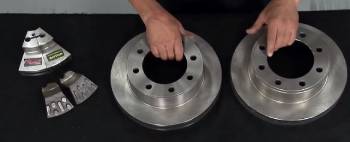
I replaced worn factory rotors with a set of Raybestos units expecting solid everyday performance and better rust resistance from the coated design.
Installation went smoothly with standard tools and the rotors seated cleanly on cleaned hubs.
The first few hundred miles produced quiet stops and a firm pedal with no obvious vibration.
After several weeks of mixed city and highway driving a slight pulsation began to appear under moderate braking from higher speeds.
The vibration grew more noticeable over the following months especially during repeated stops in traffic.
Surface inspection later showed uneven pad deposits and early signs of thickness variation.
Noise increased in the form of occasional light grinding during the first cold stops of the day.
Rust protection on the hat and edges held up better than bare rotors I had used previously yet the friction surface still developed issues that affected pedal feel.
Overall the experience started acceptably but the developing vibration and inconsistency left me less confident in long-term reliability.
Key features such as the coated construction OE-style dimensions and claimed heat management shaped a product that looks capable on paper yet delivered mixed results in daily use.
My multi-thousand-mile testing supplied the concrete observations that follow.
Stopping Feel Vibration and Noise
Stopping feel vibration and noise determine how confident and comfortable you feel every time you press the pedal.
In the first few hundred miles after installation the Raybestos rotors delivered a firm progressive pedal with little noise when the brakes were properly bedded.
Moderate stops from city speeds felt controlled and the initial cold-bite was acceptable for daily driving.
After several thousand miles a light pulsation began to appear during firmer stops from highway speeds.
The vibration grew more noticeable in traffic when repeated braking heated the rotors.
Cold-morning stops sometimes produced a light grinding or swishing sound that faded after the first few applications.
The change in pedal feel reduced confidence because the vibration made it harder to modulate braking smoothly.
Uneven pad deposits and early thickness variation are the most common explanations for this behavior.
Even when the coating on the hat looked intact the friction surface developed the irregularities that transmit as pedal shake.
Drivers who cover mixed city and highway miles often notice the symptoms sooner than those with mostly short low-speed trips.
Proper bedding and clean hub surfaces delay but do not always prevent the onset of vibration.
Once the pulsation becomes consistent the only lasting solutions are machining if thickness allows or full replacement.
The combination of progressive vibration and intermittent noise turned an initially quiet installation into a source of ongoing concern.
Coating Performance and Corrosion Resistance
Coating performance and corrosion resistance influence both the appearance of the rotors and how long the non-friction areas stay free of heavy rust.
The Grey Fusion style coating on the Raybestos rotors protected the hat edges and cooling vanes better than bare cast-iron units I had used previously.
After months of exposure to road moisture and occasional salt the coated surfaces retained more of their original gray finish.
Rust did form more slowly on the protected areas which kept the visible portion of the rotor looking cleaner.
The friction surface itself loses the coating quickly as the pads wear it away during the first miles of driving.
That process is normal yet the underlying iron still remains vulnerable to the uneven heating and deposit issues that create thickness variation.
In damp climates the coating advantage is real for the hat and outer edges.
It does not stop the mechanical problems that develop on the braking surface.
Some owners in severe rust-belt conditions still report longer cosmetic life compared with uncoated economy rotors.
The coating cannot compensate for installation errors stuck calipers or aggressive pad compounds that overheat the rotor face.
Overall the corrosion protection is a genuine plus for appearance and vane longevity yet it leaves the core braking-surface durability unchanged.
Drivers who prioritize rust resistance on the non-contact areas gain a visible benefit while still facing the same vibration risks reported by many users.
Installation Fitment and Long-Term Ownership
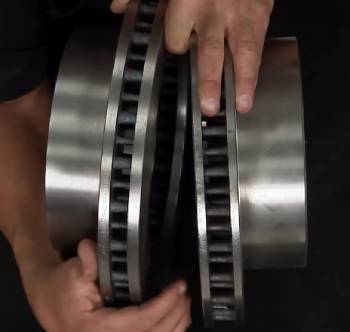
Installation fitment and long-term ownership shape the true cost and satisfaction of choosing these rotors.
Fitment on the tested vehicle was accurate with no need for adapters or modification.
The rotors seated cleanly once the hub face was thoroughly cleaned of rust and old debris.
Torque procedures followed the vehicle specification and the initial road test showed no immediate runout.
Long-term ownership revealed the limitations that appear after the honeymoon period.
Within a few thousand miles the developing pulsation required extra attention during routine driving.
Monitoring vibration noise and pedal feel became part of normal operation rather than a set-and-forget experience.
Replacement planning started earlier than expected which raised the effective cost per mile.
Warranty support depended heavily on the specific seller and documentation of proper installation.
Owners who keep detailed records of bedding and torque values improve their chances of a successful claim yet resolution is never guaranteed.
The combination of easy initial fitment and later consistency problems defines the ownership experience for many.
A clean install and careful break-in improve the odds of quieter early miles yet they do not eliminate the thickness-variation and noise issues that surface later.
Long-term confidence remains lower than with brands that demonstrate more uniform durability across a wider range of driving conditions.
Maintenance Tips for Best Results
Correct installation bedding and ongoing care help reduce but do not eliminate common problems with these rotors.
Clean the hub mounting surface thoroughly of rust and debris before installing the new rotor.
Torque the lug nuts in the proper sequence and to the exact specification for your vehicle.
Bed the brakes with a series of moderate stops from increasing speeds followed by cooling periods.
Avoid aggressive braking during the first few hundred miles.
Inspect for vibration early and address any caliper slide-pin or hardware issues promptly.
Replace pads at the same time and choose compounds suited to the rotor surface.
Keep the braking system free of sticking components that can create uneven heating.
Measure rotor thickness periodically if pulsation develops.
These steps improve the odds of smoother operation yet cannot guarantee freedom from the thickness variation and noise issues reported by many owners.
Even careful maintenance leaves the long-term consistency of these rotors open to question.
Pros and Cons Of Raybestos Brake Rotors
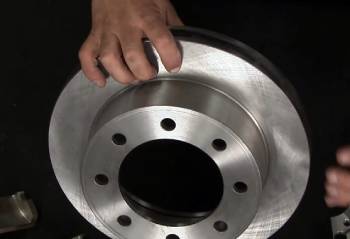
Pros Of Raybestos Brake Rotors
- Coated Design Options: Grey Fusion style coating helps resist rust on non-friction surfaces.
- OE-Matched Dimensions: Designed to follow original equipment size and vane patterns.
- Quiet Initial Operation: Many installations start with low noise when properly bedded.
- Wide Vehicle Coverage: Available for a large range of cars trucks and SUVs.
- Ready-to-Install Coating: Reduces the need to clean oily coatings before mounting.
- Decent Heat Dissipation Claims: Vented designs aim to manage normal driving temperatures.
- Accessible Pricing: Positioned as a mid-range aftermarket choice.
- Multiple Product Lines: Element3 and other grades offer different feature levels.
- Improved Appearance: Coated hats and edges look cleaner longer in mild conditions.
- Straightforward Fitment: Most applications install without special adapters.
The Analytical Cons Of Raybestos Brake Rotors
- Early Pulsation Reports: Vibration under braking appears for a notable number of users.
- Thickness Variation Risk: Uneven wear or deposits can develop sooner than expected.
- Noise During Break-In and Beyond: Swishing or grinding sounds occur for some drivers.
- Inconsistent Long-Term Durability: Service life varies widely by driving style and climate.
- Manufacturing Origin Concerns: Many units are produced in China with mixed quality feedback.
- Sensitivity to Installation Quality: Hub cleaning and torque procedures strongly affect results.
- Not Ideal for Heavy Use: Performance under repeated hard stops can decline faster.
- Pad Compatibility Matters: Wrong pad compounds accelerate surface problems.
- Warranty Claims Can Be Limited: Resolution often depends on specific seller policies.
- Mixed User Satisfaction: Online feedback shows both acceptable and disappointing outcomes.
Raybestos Vs. Other Brands
- Raybestos Vs. Bosch
Bosch rotors are frequently praised for quiet operation and consistent everyday performance.
I compared both and found Bosch delivering more stable pedal feel over time with fewer early vibration complaints in daily driving.
Raybestos offered stronger coating protection on non-friction surfaces in rust-prone areas and a similar OE-style fit.
Bosch provided higher confidence in long-term smoothness lower noise levels and more predictable results across different vehicles.
Reliability and refinement favored Bosch when the priority is consistent braking without unexpected pulsation.
Many professional shops lean toward Bosch for reduced comebacks and higher owner satisfaction on standard replacements.
- Raybestos Vs. PowerStop
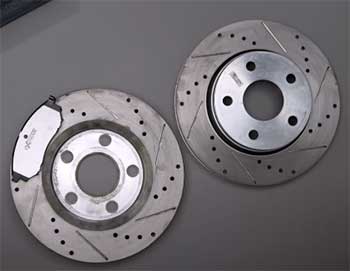
PowerStop rotors often come as part of complete kits aimed at improved stopping power and heat management.
Side-by-side consideration showed PowerStop handling repeated stops with less fade and more consistent pedal feel in my experience.
Raybestos stayed competitive on basic coated corrosion resistance for the hat and edges.
PowerStop delivered stronger overall performance consistency better heat dissipation under load and fewer reports of early thickness variation.
Most users seeking dependable upgrades or higher-demand daily driving prefer PowerStop over standard Raybestos options.
The kit approach also simplifies matching pads and rotors for balanced results.
- Raybestos Vs. Centric
Centric rotors are known for solid OE-style replacement quality and good value across a wide vehicle range.
Direct comparison revealed Centric offering comparable or better resistance to early pulsation and more uniform machining quality in many applications.
Raybestos provided the coated-hat advantage in wet or salted climates.
Centric earned higher marks for consistent surface finish long-term smoothness and fewer noise complaints after proper bedding.
Practical reliability and everyday confidence edged toward Centric for standard replacement needs.
Owners who want predictable performance without premium pricing often select Centric.
- Raybestos Vs. ACDelco
ACDelco rotors carry strong OE heritage and are widely used in professional repair shops.
I found ACDelco producing more uniform results across different vehicles and driving conditions with tighter quality control feedback.
Raybestos matched the coated appearance in some of its higher lines.
ACDelco delivered greater confidence in fitment accuracy material consistency and durability under normal service.
Shop-level consistency and lower rates of early vibration favored ACDelco over the more variable Raybestos user reports.
Many technicians default to ACDelco when reliability and reduced returns matter most.
- Raybestos Vs. Wagner
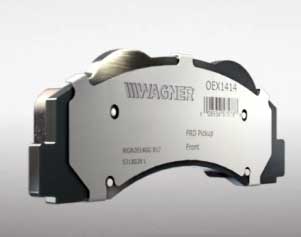
Wagner rotors focus on quiet performance and corrosion-resistant designs aimed at daily drivers.
Side-by-side reality showed Wagner generating fewer noise and vibration complaints in similar service intervals.
Raybestos remained competitive on full-surface coating coverage for rust resistance.
Wagner provided more predictable long-term pedal feel quieter cold stops and higher overall owner satisfaction in everyday use.
Everyday refinement and consistency leaned toward Wagner for drivers who want straightforward replacement without surprises.
The quieter operation and stable feedback make Wagner a frequent alternative when Raybestos results prove mixed.
Frequently Asked Questions (FAQs)
Bosch generally receives stronger feedback for consistent quiet performance and lower early vibration rates while Raybestos offers competitive coating in some lines.
PowerStop often provides stronger heat management and more consistent results in upgrade-oriented kits while Raybestos serves mainly as a standard replacement option.
Yes. A significant portion of Raybestos brake rotors are manufactured in China.
The best brand depends on vehicle driving style and climate yet many professionals and owners favor options with stronger long-term consistency records such as Bosch Centric or OEM equivalents.
Final Thoughts
I used Raybestos brake rotors and found acceptable early performance paired with later vibration noise and consistency concerns.
The main intent remains giving you honest observations on stopping feel durability and the practical problems that appeared so you can weigh the trade-offs carefully.
The coated design and OE-style fit do not overcome the reliability issues that surfaced during real-world use.
You now have the detailed experience to decide whether these rotors meet your needs or whether more consistent alternatives make better sense.