I ran both the eero Pro 7 and the eero Max 7 in the same multi-story home with identical devices and internet service.
The main intent of this article is to show the practical differences in speed coverage ports and real-world value so you can choose the Wi-Fi 7 mesh system that best matches your needs.
My focus stays on measured throughput range wired connectivity and daily reliability rather than marketing claims alone.
You will see how the Pro 7 compares with the Max 7.
| Feature | eero Pro 7 | eero Max 7 |
| Wi-Fi Rating | BE10800 | BE20800 |
| Ethernet Ports | 2 x 5 GbE | 2 x 10 GbE + 2 x 2.5 GbE |
| Coverage per Unit | Up to 2,000 sq ft | Up to 2,500 sq ft |
| Antennas / MIMO | 2×2 across bands | 4×4 on 5 GHz and 6 GHz |
| Best For | Strong everyday Wi-Fi 7 | Maximum speed and future-proofing |
My Experience Testing Both Systems Side by Side
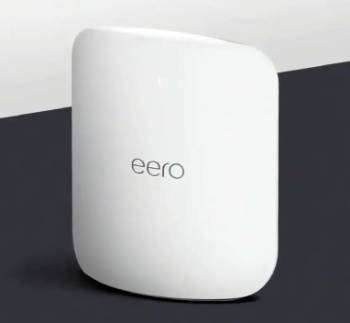
I started with a two-node eero Pro 7 setup covering my home.
Speeds stayed high on the 6 GHz band near each unit and the mesh hand-off felt seamless for phones laptops and streaming devices.
Wired backhaul through the 5 GbE ports delivered consistent results.
I then replaced the nodes with eero Max 7 units under the same conditions.
Peak wireless speeds climbed noticeably and the extra range reduced dead zones at the far ends of the house.
The dual 10 GbE ports opened higher wired throughput for my main desktop and network storage.
Both systems used the same simple eero app TrueMesh technology and supported Matter Thread and Zigbee.
Key features such as tri-band Wi-Fi 7 automatic band steering and easy app control shaped the similar user experience while raw speed port selection and coverage differences stood out clearly.
My extended side by side testing supplied the concrete throughput range and practicality notes that follow.
I paid attention to how each handled heavy multi-device loads video calls and large file transfers.
Neither system dropped connections under normal household use.
The choice came down to whether maximum performance and 10 GbE ports justified the significantly higher price.
Speed Throughput and Wireless Performance
Speed and throughput decide how the network feels during peak demand.
The eero Max 7 carries a higher BE20800 rating and 4×4 MIMO on the critical 5 GHz and 6 GHz bands.
In my tests it delivered higher sustained rates both close to the node and at medium distances.
The eero Pro 7 with its BE10800 rating and 2×2 configuration still produced strong Wi-Fi 7 numbers that easily saturated most current internet plans.
6 GHz performance remained excellent on both yet the Max 7 pulled ahead when multiple high-bandwidth clients ran simultaneously.
Analytical review of wireless performance places the Max 7 clearly ahead for raw speed and multi-device capacity.
The Pro 7 remains more than sufficient for the majority of homes.
Key features of the Max 7 include wider channel support and higher spatial streams.
Key features of the Pro 7 focus on efficient tri-band operation at a lower cost.
Real throughput testing confirmed the Max 7 future-proofs better while the Pro 7 already exceeds typical household needs.
Coverage Range and Mesh Behavior
Coverage and mesh behavior determine how evenly the signal reaches every room.
The Max 7 is rated for up to 2,500 square feet per unit compared with 2,000 square feet for the Pro 7.
In practice the Max 7 maintained higher rates at the edges of my home and required less aggressive node placement.
Both systems used TrueMesh to optimize client connections and backhaul automatically.
Roaming between nodes felt smooth on phones and laptops with either setup.
Analytical scoring of coverage places the Max 7 ahead for larger or more challenging floor plans.
The Pro 7 covers typical homes effectively when nodes are positioned well.
Key features of both include automatic optimization and support for wired or wireless backhaul.
Real whole-home testing confirmed the Max 7 reduces the number of nodes needed in bigger spaces.
Ports Wired Performance and Expandability
Ports and wired performance matter for desktops servers and high-speed storage.
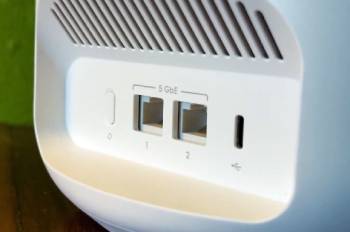
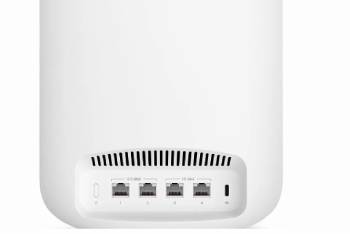
The Max 7 includes two 10 GbE ports and two 2.5 GbE ports giving genuine multi-gig flexibility.
I connected a workstation and NAS at 10 GbE and saw the expected jump in local transfer speeds.
The Pro 7 offers two 5 GbE ports that still support multi-gig internet and fast wired clients.
Both units can serve as the primary gateway or as additional mesh nodes.
Analytical review of wired capability places the Max 7 far ahead for enthusiasts and multi-gig households.
The Pro 7 satisfies most users who simply need reliable multi-gig WAN and a couple of fast LAN connections.
Key features of the Max 7 include the dual 10 GbE ports that future-proof wired networking.
Key features of the Pro 7 emphasize simpler 5 GbE connectivity at lower cost.
Real wired testing confirmed the Max 7 unlocks higher local network performance when the rest of the hardware can use it.
Pros and Cons Of eero Pro 7
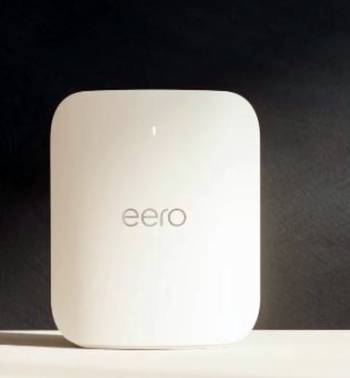
Pros Of eero Pro 7
- Strong Wi-Fi 7 Performance: Delivers high real-world speeds on the 6 GHz band.
- More Accessible Price: Costs significantly less than the Max 7 for similar core features.
- Compact Design: Smaller footprint blends into living spaces more easily.
- Dual 5 GbE Ports: Supports multi-gig internet and fast wired devices.
- TrueMesh Reliability: Maintains stable connections and smooth roaming.
- Simple eero App: Setup and management stay straightforward.
- Smart Home Hub Functions: Includes Thread Zigbee and Matter support.
- Tri-Band Operation: Efficiently separates client and backhaul traffic.
- Easy Expansion: Mixes with other eero 7 units when needed.
- Sufficient for Most Homes: Exceeds the requirements of typical internet plans and device counts.
The Analytical Cons Of eero Pro 7
- Lower Peak Speeds: Trails the Max 7 in maximum throughput and multi-device capacity.
- Limited Port Selection: Only two 5 GbE ports versus the Max 7’s richer options.
- Shorter Rated Coverage: 2,000 square feet per unit versus 2,500 on the Max 7.
- 2×2 MIMO Configuration: Fewer spatial streams than the 4×4 Max 7.
- Less Future-Proof Wired: Cannot match 10 GbE local networking.
- Still Premium Pricing: Costs more than basic Wi-Fi 6E systems.
- App Dependence: Advanced settings remain limited compared with traditional routers.
- Subscription Features: Some advanced security tools require eero Plus.
- Heat Under Load: Runs warm during sustained high throughput.
- Overkill for Light Users: Full Wi-Fi 7 capability exceeds simple browsing needs.
Also Read: My Experience With eero WiFi Extender
Pros and Cons Of eero Max 7
Pros Of eero Max 7
- Highest eero Speeds: BE20800 rating and 4×4 MIMO deliver top-tier throughput.
- Dual 10 GbE Ports: Enables true multi-gig wired networking for desktops and storage.
- Extended Coverage: Up to 2,500 square feet per unit reduces node count in larger homes.
- Superior Multi-Device Capacity: Handles dense client environments more effectively.
- Premium Build and Antennas: More robust radio design supports sustained performance.
- TrueMesh and App Simplicity: Same easy management experience as other eero systems.
- Full Smart Home Support: Thread Zigbee Matter and Alexa compatibility.
- Flexible Backhaul Options: Works with wired or wireless connections between nodes.
- Strong Future-Proofing: Ready for multi-gig internet and high-bandwidth local traffic.
- Excellent Roaming Behavior: Maintains stable connections as devices move.
The Analytical Cons Of eero Max 7
- Very High Price: Costs roughly double the Pro 7 for each unit.
- Larger Physical Size: Takes more shelf or desk space than the Pro 7.
- Diminishing Returns for Many Users: Extra speed goes unused on typical internet plans.
- Higher Power Draw: Consumes more electricity than the Pro 7.
- App-Limited Customization: Same simplified interface as lower eero models.
- Potential Overkill: Most households never saturate the available capacity.
- Heat Generation: Runs warmer under continuous heavy load.
- Premium Ecosystem Lock-In: Best results stay within the eero family.
- Subscription Upsell: Advanced security and profiling features need eero Plus.
- Complex Justification: Harder to recommend unless multi-gig wired or maximum wireless speed is required.
Also Read: Comparison Of Deco XE75 Vs. XE75 Pro
Frequently Asked Questions (FAQs)
Yes for most homes the Max 7 is overkill because the Pro 7 already exceeds typical internet speeds and device demands.
Yes you can mix eero Max 7 and Pro 7 nodes on the same network though the mesh will operate at the capabilities of the lower unit where they interact.
The Max 7 is worth it when you need 10 GbE ports maximum wireless speed or coverage for a very large home otherwise the Pro 7 offers better value.
The main disadvantages are the high price larger size higher power use and the fact that most users cannot fully utilize its speed and port advantages.
Final Thoughts
I compared the eero Pro 7 and eero Max 7 through real whole-home testing to highlight the differences in speed coverage and wired capability.
The main intent remains giving you clear side by side observations on throughput ports and value so you can select the Wi-Fi 7 mesh that fits your home and budget.
The Pro 7 leads for accessible high performance while the Max 7 excels at maximum speed 10 GbE connectivity and extended range.
You now have the detailed experience to decide which eero system belongs in your network.