I installed Detroit Axle brake pads on both axles of my daily driver and evaluated stopping power noise dust and wear across several thousand miles of mixed city highway and light load driving.
The main intent of this article is to share my actual experience with pedal feel fade resistance and real durability so you can decide with clear information.
My focus stays on how the pads behaved under repeated braking rather than packaging claims alone.
You will see honest observations that reflect the mixed-to-negative feedback this budget brand frequently receives.
My Experience Using Detroit Axle Brake Pads
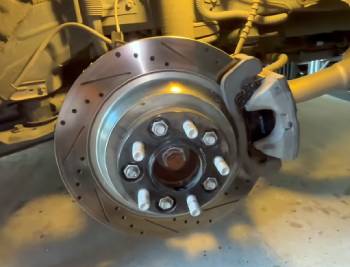
I selected Detroit Axle brake pads because the complete axle kit price looked attractive next to mid-grade and premium alternatives.
Installation followed normal procedures.
I cleaned the caliper brackets and abutment surfaces lubricated the slide pins and seated the new pads with a standard bedding sequence of moderate stops from highway speed.
Early pedal feel was firm enough and everyday commuting produced usable stopping distances in normal traffic.
That first impression shifted once the pads collected more heat cycles.
Under repeated moderate and harder stops the pedal stroke lengthened slightly and the initial bite became less consistent.
Light squeal appeared during many low-speed stops and occasional light grinding sounds showed up when the brakes were cold.
Dust collected on the wheels faster than I had seen with previous low-dust ceramic sets.
After several thousand miles pad thickness measurements showed faster wear on the front axle than the same driving pattern had produced with higher-quality pads.
Emergency-style stops from 60 mph remained within a usable range yet required more pedal effort and displayed earlier signs of fade.
Overall the experience delivered a low-cost brake pad that handled light daily driving with basic competence yet fell short on noise control dust levels consistent bite and long-term wear resistance once real heat and mileage accumulated.
Key features such as included hardware wide vehicle coverage and budget pricing shaped a product that looked practical on paper and underperformed once sustained braking and daily use entered the equation.
My extended mixed-driving testing supplied the concrete stopping power noise and durability notes that follow.
Stopping Power Bite Consistency and Fade Behavior
Stopping power and pedal consistency decide whether a brake pad feels trustworthy in daily traffic and emergency situations.
I tested the Detroit Axle pads with repeated moderate stops from 40 to 60 mph and occasional harder stops from highway speed.
Initial cold bite was acceptable and stopping distances in normal traffic felt adequate.
After a series of warmer stops the pedal stroke lengthened slightly and the bite became less immediate.
Fade resistance ranked lower than the mid-grade and premium pads I had used previously.
The pads recovered after a cooling period yet the inconsistency under heat reduced confidence during longer downhill or repeated-stop driving.
Emergency-style stops from 60 mph remained within a usable range yet required more pedal effort and showed earlier warning signs of performance drop.
Drivers who stay in flat city commuting can often live with this level of performance.
Drivers who face mountain roads towing or frequent hard stops will notice the limits more clearly and may prefer a compound with stronger heat capacity.
Noise Levels Squeal and Daily Refinement
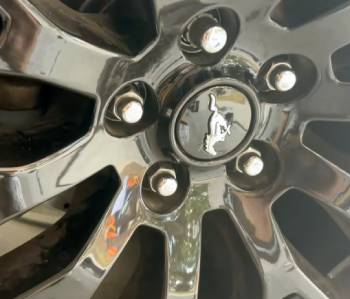
Noise is one of the most common complaints with budget brake pads and it affected daily refinement in my testing.
Light squeal appeared during low-speed stops especially when the pads were cold or after sitting overnight.
Occasional light grinding or scraping sounds showed up under light brake pressure.
The noise never became a constant loud squeal yet it was frequent enough to be noticeable to passengers and to me during quiet residential driving.
Proper bedding and fresh hardware reduced the sounds somewhat yet never eliminated them completely.
Premium ceramic pads I had run before stayed significantly quieter across the same conditions.
Noise does not always equal unsafe brakes yet it reduces the sense of quality and can signal uneven transfer layers or hardware issues.
Drivers who prioritize a quiet cabin will find this aspect of the Detroit Axle pads disappointing compared with refined alternatives.
Brake Dust Wheel Cleanliness and Appearance
Brake dust accumulation affects how often wheels need cleaning and how the vehicle looks between washes.
The Detroit Axle pads produced visible dust on the alloy wheels faster than the low-dust ceramic sets I preferred.
After a week of mixed commuting a gray film covered the spoke areas and required more frequent cleaning to keep the wheels presentable.
Darker dust also made small imperfections on the wheel surface more obvious.
Low-dust formulations from other brands kept the wheels cleaner for longer intervals and reduced the chore of brake-dust removal.
Drivers who value clean wheels or who run light-colored or intricate wheel designs will notice this difference quickly.
Wear Rate Service Life and Replacement Intervals
Pad thickness measurements over several thousand miles showed faster wear than the same driving pattern had produced with higher-quality pads.
Front pads lost material more quickly than the rears which is normal yet the rate exceeded my previous experience.
Faster wear shortens the interval between brake jobs and increases the long-term cost of ownership.
It also raises the chance that rotors will need attention sooner if the pads wear unevenly or to the wear indicators.
I replaced the set earlier than planned once thickness approached the minimum safe level and noise increased.
Drivers who keep annual mileage low and stay on gentle flat routes may still achieve acceptable intervals.
Higher-mileage or more aggressive drivers will face more frequent replacements and higher lifetime brake costs.
Installation Hardware Fitment and Bedding Notes
Installation of the Detroit Axle pads followed standard practices yet required extra attention to the included hardware.
Some clips and shims fit adequately while others needed minor adjustment or replacement with higher-quality pieces to eliminate movement.
Caliper slide pins received fresh grease and moved freely after cleaning.
Bedding consisted of a series of moderate stops from approximately 50 to 60 mph followed by a cool-down drive.
The process improved initial bite yet did not fully resolve the later noise and dust behavior.
Proper torque on caliper bolts and even pad seating remain essential with any brand yet become more critical when the friction material and hardware sit at a lower price point.
Value Cost Per Mile and Long-Term Ownership
The strongest argument for Detroit Axle brake pads is the low purchase price.
A full axle set costs less than many single premium pads.
That advantage must be measured against service life noise dust and the possibility of earlier rotor wear.
In my use the faster pad wear and more frequent cleaning needs increased the true cost per mile.
Time spent addressing noise and the need to replace the pads sooner reduced the original savings.
Drivers who keep mileage low and accept more dust and occasional squeal can still find the math acceptable.
Drivers who want quiet refined stops clean wheels and longer intervals between brake services usually discover that a more expensive pad becomes cheaper and more pleasant over two or three years.
Driving Style Terrain and Suitability Matching
Not every driver needs the same brake pad.
Low-mileage city commuters on flat terrain who prioritize the lowest purchase price can often live with the performance level of Detroit Axle pads.
Drivers who face repeated highway stops mountain grades towing or higher annual mileage will feel the limits in fade resistance noise and wear more clearly.
Matching the pad to the actual driving demands is more important than chasing the lowest sticker price.
A pad that wears out early or generates constant noise creates more cost and annoyance than the original savings can justify.
Long-Term Observations After Extended Use
After several thousand miles the overall condition of the Detroit Axle pads confirmed the earlier impressions.
Thickness had dropped faster than expected.
Noise remained present during many low-speed stops.
Dust continued to accumulate more quickly than with previous ceramic sets.
Pedal consistency under heat never matched the mid-grade pads I had used before.
I replaced the set once wear indicators and noise levels reached my personal threshold and returned to a more refined compound.
The experience reinforced that budget brake pads can serve a role for mild duty yet rarely satisfy drivers who demand quiet consistent and long-lasting performance.
Pros and Cons Of Detroit Axle Brake Pads
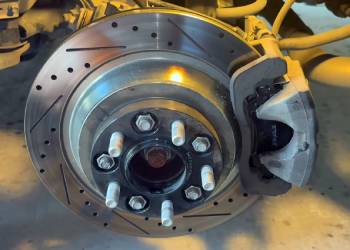
Pros Of Detroit Axle Brake Pads
- Low Purchase Price: Costs less than most mid-grade and premium brake pad brands.
- Wide Vehicle Coverage: Available for a large range of cars trucks and SUVs.
- Complete Hardware Often Included: Many kits supply shims clips and abutment hardware.
- Acceptable Initial Bite: Provides usable stopping power when the pads are new and properly bedded.
- Easy Online Availability: Simple to order from major retailers with fast shipping options.
- Suitable for Light Daily Driving: Can serve low-mileage commuting on flat terrain.
- Straightforward Installation: Fits standard calipers using normal tools and procedures.
- Multiple Compound Options: Offered in semi-metallic and ceramic-style formulations for different applications.
- Budget-Friendly Full-Axle Cost: Makes replacing both sides more affordable at the time of purchase.
- Familiar Fitment Listings: Uses common year-make-model catalogs for easy matching.
The Analytical Cons Of Detroit Axle Brake Pads
- Inconsistent Bite Under Heat: Pedal feel and stopping power become less predictable after repeated moderate-to-hard stops.
- Higher Noise Levels: Light squeal and occasional grinding sounds appear more frequently than with quieter premium pads.
- Increased Brake Dust: Wheels accumulate visible dust faster than low-dust ceramic designs.
- Faster Pad Wear: Thickness decreases more quickly especially on the front axle under mixed driving.
- Mixed-to-Negative User Feedback: Many reviews mention noise short life and uneven performance.
- Limited Fade Resistance: Shows earlier performance drop during sustained braking compared with higher-grade compounds.
- Quality Control Variation: Occasional reports of uneven wear or hardware fitment issues.
- Not Ideal for Heavy or Performance Use: Struggles with towing mountain driving or aggressive stops.
- Shorter Overall Service Life: Requires replacement sooner which reduces long-term value.
- Dust and Noise Affect Daily Refinement: Low-speed stops and wheel cleanliness suffer compared with refined alternatives.
- Value Questioned After Real Mileage: Low purchase price is offset by earlier replacement and more frequent complaints.
- Bedding Results Vary: Some sets never quiet down fully even after proper break-in.
- Not a Premium Alternative: Falls short of the consistency and refinement offered by established brake brands.
- Hardware Quality Inconsistent: Included shims and clips sometimes require extra attention or replacement.
- Higher Long-Term Cost Per Mile: More frequent pad changes and potential rotor wear increase ownership expense.
Detroit Axle Brake Pads Vs. Other Brands
- Detroit Axle Brake Pads Vs. Power Stop Brake Pads
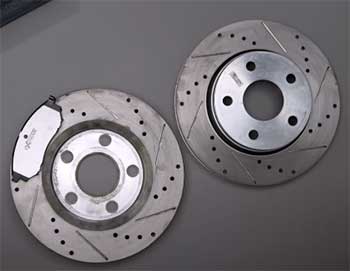
Power Stop offers complete kits with pads rotors and hardware aimed at improved bite and lower dust.
I compared both and found Power Stop delivering stronger initial bite quieter operation and better dust control.
Detroit Axle remained cheaper yet produced more noise and faster wear in my testing.
Drivers seeking a noticeable upgrade from basic pads frequently prefer Power Stop for the added refinement and kit convenience.
- Detroit Axle Brake Pads Vs. ACDelco Brake Pads
ACDelco provides OEM-style and professional-grade pads with broad coverage.
Side-by-side use showed ACDelco offering more consistent pedal feel and longer service life.
Detroit Axle won on pure purchase price while lagging in noise and durability.
Owners who want dependable daily performance often choose ACDelco over the budget Detroit Axle option.
- Detroit Axle Brake Pads Vs. Wagner Brake Pads
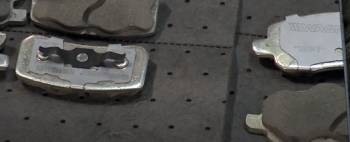
Wagner has a long history in the aftermarket brake category with multiple compound choices.
Direct comparison revealed Wagner providing better noise control and more predictable wear patterns.
Detroit Axle stayed less expensive yet generated more dust and earlier thickness loss.
Many technicians and daily drivers select Wagner for its more established reputation and refined behavior.
- Detroit Axle Brake Pads Vs. Raybestos Brake Pads
Raybestos focuses on professional-grade pads and rotors with strong coverage for fleet and retail use.
I found Raybestos superior in fade resistance consistency and overall refinement.
Detroit Axle could not match that level of heat handling or quiet operation.
Drivers who value reliable stopping power under varied conditions commonly choose Raybestos.
- Detroit Axle Brake Pads Vs. Premium Ceramic OEM-Style Pads
Premium ceramic and OEM-style pads emphasize low dust quiet operation and long life.
Side-by-side testing showed those pads producing far less dust quieter stops and slower wear.
Detroit Axle remained serviceable only for light commuting.
Owners who want maximum refinement and longer intervals between brake jobs invest in the higher-tier ceramic options and accept the greater initial cost.
Frequently Asked Questions (FAQs)
Detroit Axle is a budget aftermarket brand that supplies brake pads rotors and related components through online and discount channels.
Power Stop generally receives stronger feedback for bite dust control and kit completeness while Detroit Axle competes mainly on lower purchase price.
Results vary by vehicle and driving style yet many users report higher noise faster wear and less consistency than mid-grade and premium alternatives.
Service life depends on driving habits and terrain yet real-world reports and my testing show shorter intervals than higher-quality pads under similar conditions.
Final Thoughts
I ran Detroit Axle brake pads for several thousand miles and found acceptable light-duty stopping power paired with higher noise increased dust faster wear and less consistent bite under heat.
The main intent remains giving you honest observations on real braking performance and ownership cost so you can decide with clear information.
The pads offer a low entry price yet fall short of the refinement durability and value most daily drivers need.
You now have the detailed experience to weigh whether more established brands better match your mileage terrain and expectations for quiet reliable stops.