Finding the perfect pair of wireless earbuds usually feels like an endless cycle of compromises where you sacrifice audio fidelity for stable fit or settle for generic tuning that muffles the finer details of your favorite tracks.
If you want an elite, audiophile-grade listening experience that dynamically maps your unique hearing profile, delivers breathtaking lossless sound, and ensures your music comes alive with tailored precision, you should buy the Denon PerL Pro right now to completely transform your personal audio world.
Our journey toward sonic perfection begins by stepping away from cookie-cutter audio tuning and embracing a revolutionary approach to personalized sound design.
My Personal Journey and Real-World Testing With the Denon PerL Pro
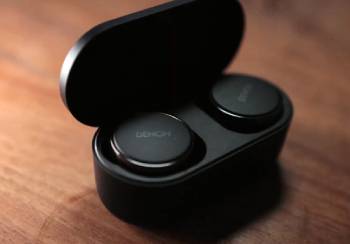
I recently decided to invest in the Denon PerL Pro after watching a wave of positive chatter from audio enthusiasts who claimed these earbuds possessed a near-mythical status for sound quality.
As someone whose home entertainment setup is entirely powered by Denon receivers, I already held a massive amount of respect for the brand’s acoustic signature and their phenomenal engineering history.
However, my daily portable audio routine was previously dominated by a rotation of heavy hitters like the Sennheiser Momentum True Wireless 4, the Bose QuietComfort Ultra, and the Apple AirPods Pro 2.
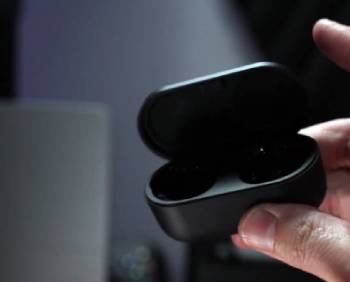
The moment I unboxed these distinct circular earbuds, I noticed the charging case was remarkably compact, measuring smaller than both the Bose and Sennheiser cases, though it remains notably larger than the ultra-slim AirPods Pro 2 housing.
Taking the earbuds out of the case for the first time revealed a frustrating design oversight, as the smooth, disc-like exterior provides very little grip, making the actual ergonomics of removing them from the magnetic cradles easily the most clumsy experience of any premium earbud I own.
Once I managed to wrestle them out and insert them, the out-of-the-box physical fit was surprisingly secure and balanced, completely avoiding the loose feeling I regularly struggle with when wearing Apple’s slick design.
The initial setup requires you to find an absolutely silent room to activate the Masimo Adaptive Acoustic Technology, which is an engineering marvel that plays a sequence of tones into your ear canal to measure otoacoustic emissions.
When I first listened to the default sound profile before running this test, the audio was perfectly acceptable but lacked any real distinct magic or competitive edge over my Bose setup.
The exact second the personalized hearing profile finished processing and toggled on, my jaw dropped at the staggering transformation in audio dynamics.
It felt as though a thick, muddy curtain had been violently ripped away from the soundstage, revealing pristine vocal textures, perfectly separated instrumentation, and a tight, visceral bass response that brought classic tracks like Steely Dan’s Aja to life with details I had never heard before.
Over three weeks of rigorous daily testing during long dog walks, chaotic airport transits, and quiet evening listening sessions paired to my Mac, these earbuds consistently maintained their wireless connections across multiple devices simultaneously.
While the adaptive active noise cancellation does not completely achieve the eerie, sensory-deprivation silence of the Bose Ultra, it easily managed the drone of a plane engine during a recent flight while allowing me to answer work calls with crystal-clear voice pickup.
Maintenance Tips for Long-Term Audio Preservation
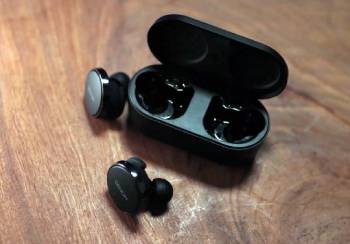
Keeping your audiophile earbuds performing at peak efficiency requires a meticulous cleaning regimen to prevent the accumulation of earwax, moisture, and dust inside the acoustic nozzles.
You should carefully remove the silicone ear tips once a week and use a specialized wooden cleaning pick or a soft-bristled brush to clear away any debris blocking the fine metal protective mesh screens.
Avoid using sharp metal pins or pushing aggressively against the driver nozzles, as you can easily puncture the delicate acoustic filters and permanently alter the hand-tuned signature frequency balance.
Clean the external charging contacts on both the circular earbud bodies and the interior case pins using a dry cotton swab lightly moistened with isopropyl alcohol to remove accumulated skin oils.
Allow the contacts to dry completely for five minutes before placing the units back into the charging cradle, ensuring a consistent electrical connection and preventing corrosion over time.
Never submerge the charging case in liquids or expose the earbuds to high-pressure water streams, as the IPX4 rating only covers basic sweat and light rain splashes during active workout sessions.
Store the charging case in a cool, well-ventilated space away from direct sunlight, and utilize the modern Qi-wireless charging functionality on verified pads to manage battery thermals safely.
Regularly check the Denon Headphones application for over-the-air firmware deployments to keep the Bluetooth connection parameters optimized and prevent digital sync bugs across your devices.
The Pros and Cons of Using the Denon PerL Pro Architecture
The Pros of Using the Denon PerL Pro Architecture
- Revolutionary Masimo Adaptive Acoustic Technology: The primary engineering triumph of these earbuds is the automated biological measurement engine that customizes the frequency output to match your personal hearing deficiencies perfectly.
- Pristine Qualcomm aptX Lossless Audio Streaming: Utilizing cutting-edge Bluetooth transmission codecs allows you to stream bit-perfect, CD-quality audio from high-resolution platforms like Tidal without any digital compression artifacts.
- Subtle and Immersion Layered Dirac Virtuo Spatial Audio: The integrated spatial processing algorithm enhances the overall width of your music soundstage beautifully without introducing the fake, echo-laden processing sounds found on competing models.
- Rock Solid Multipoint Connectivity and Device Memory: These earbuds instantly recognize and switch between your phone, tablet, and laptop seamlessly without dropping pairings or requiring manual Bluetooth menu interventions.
- Exceptional Microphone Array for High Noise Environments: The inclusion of eight specialized microphones paired with Qualcomm aptX Voice provides incredible vocal isolation that keeps your voice perfectly intelligible during busy airport calls.
- Highly Stable Fit with Customizable Wing Options: The physical combination of five distinct silicone tip varieties and two specialized stabilization wings ensures the large circular housings remain locked in place during intense physical movement.
The Cons You Must Consider Before Buying
- The clumsy earbud extraction ergonomics: The smooth circular design and tight magnetic case placement make grabbing and removing the earbuds from their charging cradles an incredibly frustrating and slippery physical task.
- The sluggish application reconnection speeds: If the earbuds enter their automatic sleep state while inside the charging case, the dedicated smartphone app takes several seconds to find and synchronize with the hardware upon opening.
- The restricted touch control mapping layout: The proprietary firmware reserves the standard tap-and-hold interaction exclusively for a hardware system reset, preventing you from mapping basic volume adjustments to that highly intuitive gesture.
- The shallow charging case clearance depth: The structural tolerances inside the lid are so tight that utilizing premium third-party aftermarket memory foam ear tips prevents the charging case from closing or sealing properly.
- The massive circular physical aesthetics footprint: The unusually large, disc-shaped exterior shells protrude significantly from your ears, which may cause aesthetic discomfort if you prefer minimalist or flush-fitting wireless audio designs.
- The lack of automated conversation awareness technology: These earbuds do not possess the smart ambient sensing features that automatically drop your music volume and trigger transparency mode when you begin speaking out loud.
Also Read: My Thoughts On Bass Jaxx Wireless Earbuds
Denon PerL Pro Vs. Other Brands
- Denon PerL Pro Vs. Sony WF-1000XM5
The soundstage competition between the Denon PerL Pro and the Sony WF-1000XM5 highlights a fundamental clash between personalized acoustic hardware and heavy digital processing algorithms.
The Denon PerL Pro relies on its self-learning biological engine to reshape the actual frequency output based on your physical ear response, delivering an incredibly open and realistic instrument presentation.
The Sony competitor takes a traditional approach by throwing a dense array of digital equalization tools and proprietary processors at your music, which results in a punchy but noticeably processed audio character.
When you look closely at everyday physical comfort, the Sony buds are significantly smaller and slide deeper into the ear canal, making them easier to wear when resting your head against a travel pillow.
However, the Denon PerL Pro completely outclasses the Sony model when it comes to preserving the raw emotional dynamics of high-resolution acoustic tracks and complex jazz arrangements.
The touch controls on the Denon circular faceplates are also far more spacious and reliable to strike than the tiny, cramped touch surfaces found on the glossy Sony shells.
- Denon PerL Pro Vs. Bose QuietComfort Ultra Earbuds
Choosing between the Denon PerL Pro and the Bose QuietComfort Ultra Earbuds comes down to a strict decision between absolute musical fidelity and industry-leading environmental isolation.
The Bose QuietComfort Ultra Earbuds possess an unmatched ability to completely erase low-frequency ambient drone, making them the absolute king of chaotic subway systems and noisy airline cabins.
The Denon PerL Pro cannot match that extreme level of total isolation, but it answers back by offering an uncompressed lossless audio codec that makes the Bose sound flat and muddy by comparison.
The spatial audio implementation also shows a massive gap in engineering philosophy, as the Dirac Virtuo system on the Denon model expands the stereo field subtly without ruining the core track mix.
The Bose immersive audio mode tries far too hard to simulate a physical room, introducing artificial echo and strange phase issues that often ruin complex recordings.
Furthermore, the Denon charging case includes integrated wireless charging right out of the box, a basic feature that Bose frustratingly omits unless you purchase an expensive secondary silicon cover accessory.
- Denon PerL Pro Vs. Sennheiser Momentum True Wireless 4
This premium matchup pins two legendary German and Japanese audio heritages against one another in a battle for audiophile dominance.
The Sennheiser Momentum True Wireless 4 delivers a highly refined, traditional studio-reference sound signature that honors the original mixing engineers’ intentions with great accuracy.
The Denon PerL Pro steps past that static reference curve by using its biological testing to actively boost the specific frequencies your aging ears might be naturally missing, creating a far more jaw-dropping initial listening experience.
In terms of physical stability and industrial design, the Sennheiser model uses a classic blocky shape wrapped in premium metallic accents that feels highly premium but can cause localized ear fatigue after three hours.
The massive circular disc shape of the Denon model looks far more unusual in public, but its clever weight distribution and stabilization wings make it feel noticeably more secure during active outdoor walks.
Sennheiser offers a more comprehensive manual equalizer setup within their companion application, but the automated immersion mode bass slider on the Denon system provides a far quicker way to adjust low-end energy on the fly.
- Denon PerL Pro Vs. Bowers & Wilkins PI7 S2
This high-end encounter matches two beautiful luxury audio products that are engineered specifically for discerning music listeners who refuse to settle for budget sonic performance.
The Bowers & Wilkins PI7 S2 utilizes a complex dual-driver system featuring dedicated amplifiers for each component, producing an incredibly lush mid-range and shimmering high frequencies.
The Denon PerL Pro matches that premium detail resolution by deploying its lossless Bluetooth streaming capabilities, ensuring your source files never lose clarity during wireless transit.
Where the Denon model pulls away cleanly is the sheer stability and depth of its companion smartphone software ecosystem, which remains reliable throughout daily multi-device transitions.
The Bowers & Wilkins application is notoriously finicky, frequently dropping connections to the earbuds or forcing you to re-pair the system manually when switching from a phone to a laptop computer.
Battery endurance testing also favors the Denon PerL Pro, which provides eight full hours of playback in normal operation compared to the disappointing five-hour limit found on the luxury British competitor.
- Denon PerL Pro Vs. Jabra Elite 10 Gen 2
This final comparison pairs a specialized, music-first acoustic device against a rugged, feature-rich utility earbud designed for maximum lifestyle versatility.
The Jabra Elite 10 Gen 2 focuses heavily on extreme physical comfort, utilizing a semi-open design and incredibly soft silicone housings that let you forget you are wearing earbuds at all.
The Denon PerL Pro requires a much tighter, isolating physical seal within your ear canal to successfully run its biological acoustic test, making it feel far more present and invasive over long listening sessions.
However, when comparing pure musical energy and dynamic range, the Jabra model sounds polite and uninspiring, lacking the intense sub-bass depth and crisp transient response that defines the Denon listening experience.
Jabra wins out cleanly on environmental durability with a superior dustproof and waterproof chassis rating, making it the better choice for messy outdoor adventures or muddy trail runs.
But if your primary goal is to sit back and get completely lost in the intricate production layers of your favorite albums, the Denon PerL Pro operates on an entirely different performance tier.
Also Read: My Thoughts On Sentry True Wireless Earbuds
Frequently Asked Questions (FAQs)
Yes, they are exceptional true wireless earbuds that sit comfortably at the very top of the market for pure audio performance and personalized sound reproduction.
The combination of the automated Masimo hearing test, lossless codec support, and a highly stable connection makes them an incredible investment for anyone who prioritizes music quality above all else.
While they are physically large and have minor case ergonomics issues, their jaw-dropping sound dynamics easily outweigh these small design quirks.
The decision between these two audiophile titans comes down to whether you prefer automated biological tuning or an impeccably balanced manual reference sound signature.
The Denon PerL Pro delivers a far more dynamic, personalized, and energetic presentation that adapts specifically to your unique ears via advanced otoacoustic measurements.
The Technics AZ80 answers back with an incredibly natural, out-of-the-box tonal balance, an elegant physical design, superior multi-point switching across three devices simultaneously, and noticeably better case ergonomics.
If your absolute highest priority is breathtaking audio fidelity, deep bass immersion, and hearing every hidden layer of a high-resolution recording, the Denon PerL Pro is significantly better than the AirPods Pro 2.
However, if you are deeply embedded in the Apple ecosystem and highly value seamless device switching, conversational awareness, and top-tier active noise cancellation, the AirPods Pro 2 remain the more convenient everyday tool.
The Denon model is a dedicated instrument for music lovers, while the Apple model is an optimized utility for general smartphone productivity.
The premium Pro model introduces several critical hardware and software upgrades over the standard version, including support for Qualcomm aptX Lossless audio streaming and Dirac Virtuo spatial processing.
The Pro version also doubles the total microphone count to eight for vastly superior voice call clarity, integrates an upgraded adaptive active noise cancellation system, and provides an extended eight-hour battery lifespan compared to the six hours found on the base model.
Additionally, the Pro variant features a premium metallic trim ring around the exterior circular touch faceplates.
Final Thoughts
If you are tired of uninspired audio quality, flat soundstages, and generic earbud tuning that ignores how your ears actually process frequencies, you should buy the Denon PerL
Pro right now to reclaim your music. Investing in this cutting-edge, personalized audio system ensures you experience your favorite albums with unprecedented depth, crystal clarity, and a tailored energy that makes every single track feel brand new.