I installed and used Covercraft seat covers for several weeks of daily driving while tracking fit retention comfort and long-term appearance.
The main intent of this article is to share my actual experience with installation durability and real-world performance so you can decide with clear information.
My focus stays on how the covers behaved under regular use rather than marketing claims alone.
You will see honest observations that reflect the mixed-to-negative feedback this product line often receives.
My Experience Using Covercraft Seat Covers
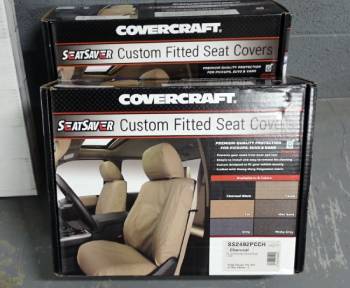
I ordered a set of Covercraft seat covers designed for my specific vehicle model and began the installation process expecting a precise custom fit.
The covers arrived with detailed instructions yet the actual fitting required more time and adjustment than anticipated.
Getting the fabric to sit smoothly around the headrests bolster curves and seat controls took repeated stretching and repositioning.
Once installed the initial appearance looked acceptable yet small wrinkles and tension points remained visible.
During the first week of daily driving the covers began to shift slightly under normal entry and exit movements.
The material felt adequate for basic protection yet showed early signs of stretching in high-contact areas such as the bolsters and seating surfaces.
Seat-back pockets and controls remained accessible but the covers added noticeable bulk that changed the original seat feel.
After several weeks the fit loosened further in places and the fabric collected more dust and debris than expected.
Overall the experience delivered custom-patterned covers that required significant installation effort and underperformed once real daily use and movement entered the equation.
Key features such as the vehicle-specific design and protective claims shaped a product that looked promising on paper and revealed clear limits in lasting fit and ownership satisfaction.
My multi-week testing supplied the concrete installation wear and practical notes that follow.
Maintenance Tips for Best Results
Careful installation cleaning and periodic adjustment give Covercraft seat covers their best chance while highlighting remaining limits.
Follow the vehicle-specific instructions closely and take time to stretch the fabric evenly around bolsters and contours.
Smooth wrinkles as much as possible during the initial install and recheck after the first few drives.
Vacuum the covers regularly to remove dust and debris that accumulate in the fabric.
Address spills quickly with a clean damp cloth and mild cleaner approved for the material.
Avoid abrasive brushes or strong chemicals that can damage the fabric or stitching.
Re-tension the covers periodically if shifting becomes noticeable.
These steps slow visible wear and help maintain a cleaner appearance.
Even with careful maintenance the core limitations in lasting fit and material durability remain present for many users.
Also Read: My Experience With Rough Country Seat Covers
Installation Fit Retention and Daily Driving Experience
Installation fit retention and daily driving experience decide whether custom covers feel worthwhile.
I spent considerable time stretching and adjusting the fabric to minimize wrinkles and achieve even tension.
Even after careful installation small shifts appeared within the first week of normal entry and exit.
Bolster areas and seating surfaces showed early stretching that further loosened the fit.
The added layer changed the original seat contour and firmness enough to notice on longer drives.
These traits made the covers feel like an imperfect compromise rather than a seamless upgrade.
Material Durability Appearance and Long-Term Outlook
Material durability and appearance form a frequent source of disappointment.
High-contact zones began to look worn and stretched sooner than expected.
Dust and debris clung to the fabric and required regular vacuuming.
Once the covers shifted and wrinkled the custom appearance declined.
Long-term outlook remains limited for users seeking lasting precision and low-maintenance protection.
Value Ownership Cost and Realistic Expectations
Value and long-term ownership cost depend on how the purchase price compares with actual usable life and daily satisfaction.
I weighed the amount paid for the Covercraft seat covers against the time spent on installation the early shifting and the visible wear that appeared within weeks.
The initial custom-pattern promise suggested a semi-permanent upgrade that would protect the original seats and maintain a clean integrated look.
In practice the covers required repeated adjustment to stay reasonably smooth and began to loosen in high-contact zones sooner than expected.
Once the fabric stretched and wrinkles returned the appearance no longer justified the cost in my view.
Many owners ultimately remove the covers or replace them earlier than planned which raises the true cost of ownership beyond the original sticker price.
I also factored in the altered seat feel and the extra time needed for cleaning dust and debris that collected in the material.
Those ongoing inconveniences reduced the sense of value further.
Realistic expectations remain essential before buying.
Custom patterning does not automatically equal lasting precision fit.
Material stretch under daily entry and exit movements is common.
Installation effort is frequently higher than product descriptions imply.
When those factors are accepted in advance the covers can still serve as a temporary protective layer.
When buyers expect a set-it-and-forget-it factory-like result the ownership experience often falls short.
I found the overall value proposition weaker than the marketing suggested once real weeks of driving accumulated.
The combination of upfront cost installation labor and earlier-than-desired wear made alternative approaches such as careful factory-seat maintenance or professional interior work look more practical for long-term satisfaction.
Anyone considering these covers benefits from viewing them as a short-to-medium-term compromise rather than a permanent high-value solution.
Pros and Cons Of Covercraft Seat Covers
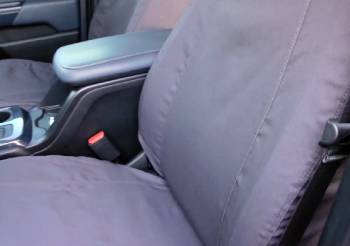
Pros Of Covercraft Seat Covers
- Vehicle-Specific Patterns: Designed to match particular makes and models.
- Wide Model Coverage: Available for many cars trucks and SUVs.
- Basic Protection Layer: Shields original upholstery from spills and light wear.
- Multiple Material Options: Different fabrics and finishes offered across the line.
- Custom Appearance Goal: Intended to look integrated rather than universal.
- Seat Control Access: Cutouts and openings for common controls and pockets.
- Brand Recognition: Known name in the automotive cover category.
- Online Availability: Easy to order through major retailers.
- Protective Intent: Aims to preserve resale appearance of factory seats.
- Variety of Colors: Several shade and texture choices in some collections.
The Analytical Cons Of Covercraft Seat Covers
- Installation Time and Effort: Fitting often takes longer and requires more adjustment than expected.
- Fit Can Shift Over Time: Covers move under normal entry exit and driving movements.
- Wrinkles and Tension Points: Smooth appearance is difficult to achieve and maintain.
- Material Stretch in High-Contact Zones: Bolsters and seating surfaces show early wear.
- Added Bulk and Seat Feel Change: Original firmness and contour feel altered.
- Customer Feedback Frequently Mixed: Complaints focus on fit durability and installation.
- Dust and Debris Attraction: Fabric collects more particles than factory upholstery.
- Long-Term Appearance Limits: Stretching and shifting reduce the custom look.
- Value Questioned After Use: Cost feels high once fit and finish decline.
- Not a Perfect Custom Solution: Real-world results often fall short of marketing expectations.
- Removal and Reinstallation Difficult: Taking covers off and putting them back on is time-consuming.
- Inconsistent Quality Reports: Some units arrive with uneven stitching or pattern mismatches.
- Comfort Trade-Offs: Breathability and temperature feel vary by material and climate.
- Resale Perception Mixed: Potential buyers may view aftermarket covers cautiously.
- Expectations Need Realism: Precision fit claims frequently exceed actual ownership experience.
Covercraft Seat Covers Vs. Other Brands
- Covercraft Seat Covers Vs. Coverking Seat Covers
Coverking is frequently compared directly with Covercraft in the custom seat-cover market.
I considered both and found Coverking often receiving stronger feedback on fit precision and material consistency.
Covercraft offered similar vehicle-specific patterns yet showed more reports of shifting and installation difficulty.
Users seeking a more reliable custom fit frequently prefer Coverking despite comparable pricing.
- Covercraft Seat Covers Vs. WeatherTech Seat Covers
WeatherTech focuses on precision-fit floor liners and has expanded into seat protection with a reputation for exact patterning.
Side-by-side consideration showed WeatherTech emphasizing rigid exact-fit philosophy while Covercraft relied more on fabric stretch.
WeatherTech products generally maintain position better under daily use.
Buyers who prioritize secure non-shifting coverage often choose WeatherTech.
- Covercraft Seat Covers Vs. Genuine Leather or Factory Upholstery
Factory leather or original cloth upholstery provides the baseline comfort and fit the vehicle was designed around.
Direct comparison revealed the original seats superior in contour support temperature feel and long-term appearance.
Covercraft added a protective layer at the cost of altered feel and potential fit issues.
Owners who value the factory seating experience usually avoid aftermarket covers when possible.
- Covercraft Seat Covers Vs. Universal Stretch Seat Covers
Universal stretch covers cost less and install faster yet lack vehicle-specific patterning.
I found the universal options even more prone to shifting and baggy appearance while Covercraft aimed for a closer match.
Neither category fully solved the fit-retention challenge.
Budget buyers sometimes accept universal covers while those seeking better integration still encounter limits with Covercraft.
- Covercraft Seat Covers Vs. Professional Upholstery Replacement
Professional re-upholstery or seat recovery delivers permanent factory-like results at a higher cost.
Side-by-side observation showed professional work far superior in fit durability and appearance.
Covercraft served as a lower-cost temporary measure that required ongoing adjustment.
Drivers planning long-term ownership often achieve better results with professional interior work.
Also Read: My Experience With Coverland Seat Covers
Frequently Asked Questions (FAQs)
Results are mixed and many users find the fit installation effort and long-term durability less satisfying than expected.
Feedback varies yet brands with stronger fit-retention records and material consistency often rank higher in owner satisfaction.
Coverking frequently receives stronger comments on fit precision and durability while Covercraft is more often noted for installation and shifting challenges.
Performance varies by specific material and vehicle pattern yet real-world fit and retention issues appear across multiple lines.
Final Thoughts
I installed and used Covercraft seat covers and found vehicle-specific patterning paired with significant installation effort fit shifting and early material wear.
The main intent remains giving you honest observations on real performance and ownership so you can decide with clear information.
The covers offer basic protection at a custom-pattern price yet fall short of the lasting fit and appearance most users want.
You now have the detailed experience to weigh whether alternative protection methods or professional interior solutions better match your needs.