I used both Casely and OtterBox phone cases for several weeks of daily carry repeated drops and pocket wear while tracking protection durability and long-term confidence.
The main intent of this article is to show the practical differences in impact performance design longevity and everyday usability so you can choose the case that best matches your priorities.
My focus stays on real-world results rather than marketing claims alone.
You will see clear side-by-side observations on drop confidence wear patterns bulk and daily reliability.
| Feature | Casely | OtterBox |
| Primary Focus | Design variety and accessible price | Multi-layer protection and durability |
| Protection Level | Average everyday protection | High proven drop protection |
| Print / Design Durability | Scuffs and fades faster | Minimal design focus longer structural life |
| Price Positioning | Lower entry cost | Mid to premium protective pricing |
| MagSafe Support | Available on many models | Strong MagSafe options on newer lines |
| Bulk and Weight | Slimmer and lighter | Thicker and more substantial |
| Best For | Style and frequent design changes | Maximum protection and long-term use |
| Material Feel | Lightweight and flexible | Rigid multi-layer construction |
| Fit Retention | Can loosen with repeated use | Maintains secure fit longer |
| Long-Term Value | Lower upfront higher replacement rate | Higher upfront lower cost per year of protection |
My Experience Testing Both Cases Side by Side
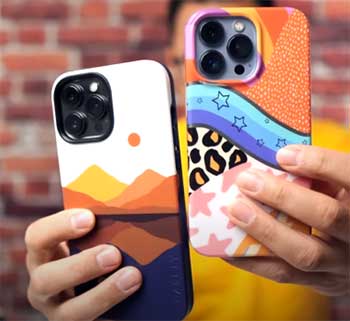
I started with a Casely case and used it as my primary daily driver for more than two weeks.
The case installed easily and the graphics looked sharp on day one.
Pocket carry bag use and normal desk placement produced visible edge scuffing within the first ten to fourteen days.
I performed repeated drops from pocket height and hand height onto hard tile and concrete.
Flat landings usually left the phone unharmed.
Corner and edge impacts transferred more force than I expected and reduced my confidence in long-term screen and corner protection.
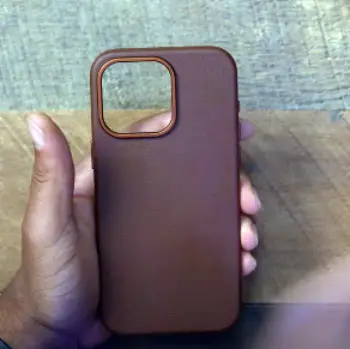
I then switched to an OtterBox case from a current protective line and repeated the same carry and drop routine.
The OtterBox felt immediately more rigid and substantial.
After the same period of daily use the case showed almost no cosmetic wear beyond light surface marks.
Corner drops absorbed energy far more effectively and the phone inside registered softer impacts.
The multi-layer construction and reinforced corners held their shape without cracking or deformation.
Wireless charging and MagSafe accessories worked on both yet the OtterBox maintained a more consistent protective feel over time.
Overall Casely delivered more design options and a lower price while OtterBox provided clearly stronger drop protection and longer structural confidence.
Key features such as Casely’s extensive graphic library and OtterBox’s multi-layer impact system shaped two very different ownership experiences once real drops and weeks of carry entered the equation.
My multi-week side-by-side testing supplied the concrete protection wear and practical notes that follow.
Design Longevity Appearance and Wear Patterns
Design longevity and appearance retention favor different priorities.
Casely graphics start bright and detailed yet show edge scuffing and surface wear within two to three weeks of pocket and bag carry.
Clear and light-colored styles develop yellowing from normal handling.
OtterBox cases carry minimal graphic focus and therefore show almost no cosmetic degradation beyond light surface marks.
The structural materials continue to look and feel solid after weeks of identical use.
Drivers who want changing fashion graphics accept Casely’s faster wear.
Drivers who want the case itself to last and stay confidence-inspiring prefer OtterBox.
Also Read: My Experience With Flaunt Phone Case
Fit Bulk MagSafe and Everyday Practicality
Fit bulk MagSafe performance and everyday practicality affect daily satisfaction.
Both cases support wireless charging and offer MagSafe options on compatible models.
Casely feels lighter and thinner in the pocket.
OtterBox adds more thickness and weight yet never feels unstable.
After repeated removal Casely’s fit loosens slightly while OtterBox retains its original secure snap.
Lint collects more readily on the softer Casely edges.
Practicality favors Casely for minimal bulk and OtterBox for lasting structural confidence.
Value Ownership Cost and Long-Term Outlook
Value depends on how purchase price compares with months or years of reliable protection.
Casely wins on initial cost and design volume.
The faster wear and moderate drop confidence often lead to earlier replacement.
OtterBox costs more upfront yet frequently lasts the entire life of the phone which lowers the cost per year of actual protection.
I found the higher initial spend on OtterBox more justifiable when phone safety ranked above frequent style changes.
Material Feel Build Perception and Hand Experience
Material feel and build perception influence every pickup.
Casely feels lighter more flexible and closer to a fashion case.
That flexibility aids installation yet contributes to faster edge wear.
OtterBox feels rigid dense and clearly protective.
The added substance improves drop performance and long-term confidence while increasing weight and thickness.
Users who want a soft flexible hand-feel often lean toward Casely.
Users who want the case to feel solid and protective prefer OtterBox.
When to Choose Casely and When to Choose OtterBox
The right choice depends on clear priorities.
Choose Casely when design variety low purchase price and the ability to change styles often matter most.
Choose OtterBox when maximum drop protection long structural life and lower long-term replacement risk matter more than the lowest sticker price or graphic trends.
My testing showed both cases can keep a phone safe under normal conditions.
OtterBox simply delivered the more consistent and confidence-inspiring protective experience once real drops and weeks of carry accumulated.
Pros and Cons Of Casely
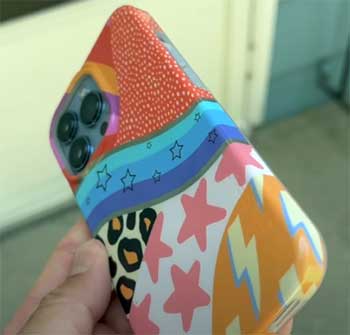
Pros Of Casely
- Large Design Library: Frequent new patterns and custom graphic options.
- Lower Entry Price: More affordable than most dedicated protective brands.
- Slimmer Profile: Adds less bulk than multi-layer cases.
- Easy Installation: Snaps on and off without tools.
- MagSafe Compatible Options: Works with magnetic chargers and accessories.
- Lightweight Feel: Comfortable for extended one-handed use.
- Wide Model Coverage: Available for many current phones.
- Attractive Initial Appearance: Looks vibrant and polished on arrival.
- Quick Design Rotation: Inexpensive to change styles often.
- Wireless Charging Friendly: Functions without case removal.
The Analytical Cons Of Casely
- Average Drop Protection: Real-world corner and edge impact confidence remains moderate.
- Print Wear Appears Quickly: Graphics and edges scuff within weeks of normal carry.
- Yellowing on Clear Styles: Lighter cases discolor with skin oils and debris.
- Fit Can Loosen: Snugness decreases after repeated on-and-off cycles.
- Limited Long-Term Durability: Materials show fatigue sooner than protective brands.
- Customer Feedback Mixed: Many comments focus on protection and rapid wear.
- Value Fades with Wear: Low price feels higher once appearance and confidence decline.
- Not Heavy-Duty: Better for light daily carry than rough environments.
- Lint Attraction: Softer edges collect pocket debris.
- Expectations Need Realism: Style often outranks lasting toughness.
Pros and Cons Of OtterBox
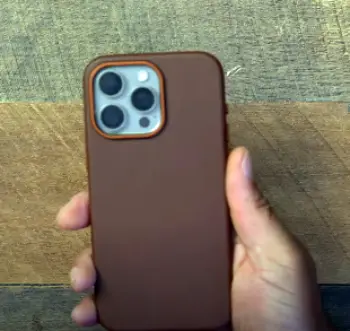
Pros Of OtterBox
- Proven Drop Protection: Multi-layer construction consistently absorbs real impacts.
- Reinforced Corners and Edges: Designed to handle the most common failure points.
- Long Structural Life: Maintains integrity through months of daily abuse.
- Secure Fit Retention: Stays snug even after repeated removal.
- MagSafe Compatible Lines: Newer models support magnetic accessories reliably.
- Trusted Brand Track Record: Long history of independent drop testing and user confidence.
- Screen and Camera Lip Protection: Raised edges provide meaningful clearance.
- Wide Protective Range: Options from slim to maximum-duty.
- Consistent Quality Control: Units arrive and perform with high uniformity.
- Lower Long-Term Replacement Rate: One case often lasts the life of the phone.
The Analytical Cons Of OtterBox
- Higher Price Point: Costs more than style-focused brands like Casely.
- Added Bulk and Weight: Noticeably thicker and heavier than slim fashion cases.
- Limited Design Variety: Focus stays on protection rather than graphic trends.
- Less Impulse-Friendly: Higher cost makes frequent style changes less practical.
- Overkill for Careful Users: Light-carry users may not need the full protection level.
- Pocket Feel Trade-Off: Thickness is more noticeable in tight pockets.
- Premium Positioning: Not the lowest-cost option in any category.
- Style Secondary: Appearance ranks behind durability in the design brief.
- Removal Takes More Effort: Secure fit can feel tighter to install and remove.
- Accessory Cost: Matching MagSafe items add further expense on newer lines.
Casely Vs. OtterBox for Drop Protection and Real-World Confidence
Drop protection and real-world confidence create the largest performance gap.
I conducted repeated drops from pocket height and hand height onto hard surfaces with both cases.
Casely handled flat landings adequately in most tests.
When the case struck on a corner or edge the force reaching the phone felt sharper and my confidence dropped.
OtterBox absorbed the same corner and edge impacts with clearly less energy transferred to the phone.
The multi-layer design and reinforced corners kept their shape and continued to protect after multiple hits.
Users who drop phones regularly or work in active environments gain substantially more practical security from OtterBox.
Users with very careful habits may find Casely sufficient for light protection.
Also Read: My Experience With Velvet Caviar Phone Case
Frequently Asked Questions (FAQs)
Some heavy-duty brands match or exceed certain OtterBox lines in specific tests yet OtterBox remains one of the most consistently trusted protective options.
They offer attractive designs and low prices yet real-world drop protection and print durability are often average.
Casetify generally provides stronger impact performance than Casely while still ranking below dedicated multi-layer cases like OtterBox.
OtterBox continues to rank among the most protective mainstream options especially in multi-layer and Defender-style configurations.
Final Thoughts
I compared Casely and OtterBox through real daily carry repeated drops and weeks of use and found clear differences in protection confidence design longevity and long-term value.
The main intent remains giving you practical side-by-side observations on impact performance durability and ownership cost so you can select the case that matches your priorities.
Casely delivers style and affordability while OtterBox offers stronger lasting protection and structural confidence.
You now have the detailed experience to decide which brand belongs on your phone.