I played multiple rounds with both Callaway and Titleist premium golf balls under the same course conditions and swing tendencies.
The main intent of this article is to show the practical differences in feel spin distance and short game control so you can choose the ball that best matches your game.
My focus stays on real performance from tee to green rather than tour claims alone.
You will see how Callaway’s soft-feeling models compare with Titleist’s tour-proven Pro V1 family.
| Feature | Callaway (Chrome Soft / Tour) | Titleist (Pro V1 / Pro V1x) |
| Feel | Very soft to soft | Soft to slightly firmer |
| Greenside Spin | High | Very high and consistent |
| Distance Profile | Strong for moderate speeds | Balanced with excellent control |
| Tour Presence | Growing | Dominant |
| Best For | Soft feel and distance seekers | Consistency and short game precision |
My Experience Testing Both Brands Side by Side

I started a stretch of rounds with Titleist Pro V1.
The ball felt solid off the clubface with predictable flight and strong stopping power on approach shots.
Greenside spin was reliable and the ball checked up consistently on mid-iron and wedge shots.
I then switched to Callaway Chrome Soft for several rounds on the same courses.
The softer compression produced a different sensation at impact and a slightly higher launch on some shots.
Distance stayed competitive and the ball still generated good greenside grab though the spin window felt a touch wider.
Both brands performed at a high level for scoring.
Key features such as urethane covers and multi-layer construction shaped the similar premium experience while feel and spin consistency differences stood out.
My extended side by side use supplied the concrete distance control and short game notes that follow.
I paid attention to driver spin iron flight and wedge performance under varying conditions.
Neither ball caused major issues with durability during normal play.
The choice came down to whether I preferred Titleist’s tighter consistency or Callaway’s softer feel and distance profile.
Feel Compression and Impact Sensation
Feel and compression influence confidence at address and feedback after impact.
Callaway Chrome Soft models generally play softer with lower compression numbers.
I noticed a more cushioned sensation especially on partial shots and putts.
Titleist Pro V1 sits in a mid-compression range that still feels soft yet provides clearer feedback.
The Pro V1x plays a bit firmer for players who want more response.
Analytical review of impact feel places Callaway ahead for pure softness.
Titleist stays ahead for players who want a blend of soft feel and precise feedback.
Key features of Callaway include the soft core designs that reduce compression.
Key features of Titleist include the balanced construction that maintains control.
Real on-course testing confirmed both deliver premium urethane cover feel with different personalities.
Distance Flight and Long Game Performance

Distance and flight characteristics affect scoring from the tee and on longer approaches more than most golfers realize.
Both Callaway and Titleist produce competitive ball speeds and total distance when struck well.
In my side-by-side testing the differences showed up less in raw yards and more in how the ball behaved through the air and after landing.
Callaway’s softer models, especially the Chrome Soft family, often helped moderate swing speeds maintain ball speed.
The lower compression produced a slightly higher launch and reduced spin off the driver for many players.
That combination can add a few yards of total distance through better carry and extra rollout on firm fairways.
I noticed the ball stayed in the air longer on mid-iron shots as well, which helped with holding greens from longer distances.
Titleist maintained a more penetrating flight window with consistent spin rates across the bag.
The Pro V1 and Pro V1x kept a tighter trajectory that held up better in wind and gave more predictable distances on approach shots.
Ball speed numbers stayed very close between the two brands on pure strikes.
The real separation appeared in spin consistency and landing angle.
Titleist’s higher-spinning options checked up more reliably on firm greens from 150 to 180 yards.
Callaway’s softer constructions sometimes released a bit more after landing, which required small adjustments in club selection.
Analytical scoring of long game performance shows both brands are fully capable of tour-level distance.
The better choice depends on your swing speed and preferred trajectory.
Players with moderate speeds often gain more usable distance from Callaway’s lower-compression designs.
Players with higher speeds or those who value tighter flight windows tend to prefer Titleist’s more controlled spin rates.
Key features of both include advanced core and mantle designs that optimize energy transfer and reduce unwanted spin off the driver.
Real driver and long-iron testing confirmed either ball can maximize distance when properly matched to the player.
I also paid attention to how each ball performed on mishits.
Both brands held up reasonably well on off-center strikes, though Titleist’s tighter construction sometimes preserved more ball speed on thin or heel shots.
Callaway’s softer core forgave low-face contact with a higher flight that still carried decently.
These small differences accumulate over eighteen holes and influence scoring more than a single highlight-reel drive.
Ultimately the long game decision comes down to whether you want maximum help with launch and distance or tighter control over flight and spin.
Greenside Spin Short Game Control and Consistency
Greenside spin and short game control separate good balls from great ones.
Titleist Pro V1 and Pro V1x delivered the most consistent checking action on pitch and chip shots.
The spin rates stayed in a tighter window which made distance control more predictable.
Callaway Chrome Soft and Tour models still produced high spin and good stopping power.
The softer cover generated plenty of grab though the results varied slightly more shot to shot.
Analytical review of short game performance places Titleist ahead for precision and repeatability.
Callaway remains excellent for players who prioritize feel around the greens.
Key features of Titleist include the urethane cover and casing layers tuned for spin consistency.
Key features of Callaway include soft covers that still deliver strong frictional spin.
Real wedge and short game testing confirmed both balls stop well with Titleist offering tighter control.
Also Read: My Experience With Volvik Vivid Golf Balls
Pros and Cons Of Callaway Golf Balls
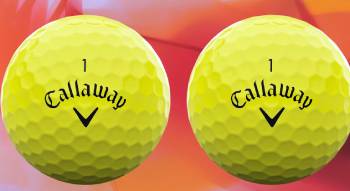
Pros Of Callaway Golf Balls
- Very Soft Feel: Lower compression delivers a cushioned sensation many players prefer.
- Strong Distance for Moderate Speeds: Helps players with average swing speeds maintain ball speed.
- High Greenside Spin Potential: Soft urethane covers generate good stopping power.
- Competitive Pricing: Often available at a slight discount compared with Titleist premium balls.
- Multiple Model Options: Chrome Soft Chrome Tour and related balls cover different flight needs.
- Good Durability: Modern covers hold up well under normal play.
- Forgiving Flight Windows: Softer models can reduce excessive spin off the driver.
- Pleasant Putting Feel: Soft response improves confidence on the greens.
- Tour-Level Alternatives: Chrome Tour family competes directly with Pro V1 performance.
- Wide Availability: Easy to find in most golf retailers and online.
The Analytical Cons Of Callaway Golf Balls
- Slightly Wider Spin Variation: Greenside results can be less tightly grouped than Titleist.
- Less Tour Dominance: Fewer professionals play Callaway balls compared with Titleist.
- Softness Trade-Off: Very soft models may feel less powerful to high-speed players.
- Flight Consistency: Some models launch higher which may not suit every preferred trajectory.
- Model Overlap: Multiple soft and tour versions can make selection confusing.
- Premium Still Costly: Even discounted dozens remain expensive for high-volume players.
- Wind Performance: Softer constructions can be more affected in strong winds.
- Feedback Difference: Reduced compression may give less precise impact information.
- Not Always the Longest: Distance gains depend heavily on swing speed match.
- Cover Wear: Soft urethane can show marks sooner with aggressive grooves.
Pros and Cons Of Titleist Golf Balls

Pros Of Titleist Golf Balls
- Exceptional Consistency: Tight performance windows from tee to green.
- Superior Greenside Control: Reliable spin rates improve short game distance control.
- Tour Proven Performance: Most played ball among professionals for good reason.
- Balanced Flight Options: Pro V1 and Pro V1x cover mid and high trajectories.
- Clear Impact Feedback: Mid compression provides useful information on strike quality.
- Excellent Durability: Covers resist wear under normal scoring conditions.
- Trusted Brand Standard: Many fitters and players use Titleist as the benchmark.
- Strong Long Game Control: Predictable spin helps with shot shaping and wind play.
- High-Quality Construction: Multi-layer designs deliver repeatable results.
- Wide Professional Validation: Extensive tour usage confirms performance under pressure.
The Analytical Cons Of Titleist Golf Balls
- Higher Average Price: Premium dozens often cost more than comparable Callaway models.
- Firmerce Feel for Some: Players seeking maximum softness may prefer Callaway.
- Less Distance Help for Slower Speeds: Optimized more for higher swing speeds.
- Spin Can Be Excessive: High spin models may balloon or check too much for some players.
- Premium Expectation: Performance justifies cost only when the player can utilize the control.
- Model Choice Still Required: Pro V1 versus Pro V1x needs proper fitting.
- Availability of Soft Alternatives: Softer Titleist options exist but are less emphasized.
- Cost Adds Up Quickly: Frequent ball loss makes the price difference noticeable.
- Not the Softest Option: Pure feel seekers often look elsewhere.
- High Standards Bring Scrutiny: Any inconsistency feels more noticeable because of the reputation.
Also Read: Comparison Of Kirkland Golf Ball Vs Pro V1
Frequently Asked Questions (FAQs)
The Callaway Chrome Tour is the closest performance equivalent to the Titleist Pro V1 for balanced flight and control.
Titleist Pro V1 Callaway Chrome Tour and TaylorMade TP5 are frequently ranked among the top premium options.
Yes several professional golfers play Callaway balls though Titleist remains the most widely used on Tour.
Titleist is generally better for consistency and short game control while Callaway is often preferred for softer feel and distance with moderate swing speeds.
Final Thoughts
I compared Callaway and Titleist golf balls through real rounds to highlight the differences in feel spin and scoring performance.
The main intent remains giving you clear side by side observations on distance control and short game behavior so you can select the ball that fits your game.
Titleist leads for consistency and greenside precision while Callaway excels at soft feel and distance for many amateur players.
You now have the detailed experience to decide which brand belongs in your bag.