I used BlueDevil Transmission Sealer in a vehicle with an active fluid leak while tracking fluid level drip reduction and overall shifting behavior over several hundred miles.
You should buy this sealer when you want a simple pour-in option that can restore dried or shrunken rubber seals and stop minor transmission fluid leaks while you arrange longer-term repairs.
The main intent of this article is to share my real results on leak reduction driving performance and practical limits so you can decide with clear information.
My testing showed a clear drop in fluid loss after proper dosing and driving time with the understanding that sealers address seal condition rather than mechanical failure.
My Experience Using Blue Devil Transmission Sealer
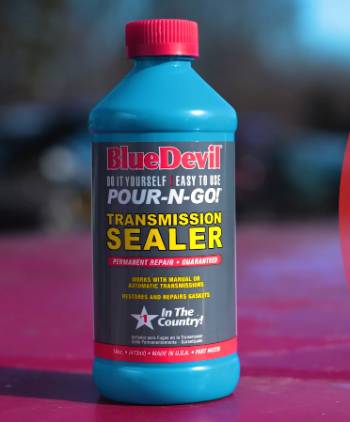
I turned to BlueDevil Transmission Sealer after noticing a steady transmission fluid drip that required topping off every few days.
The bottle instructions were straightforward and emphasized matching the dose to the transmission capacity.
I confirmed the current fluid level and type then poured in the recommended amount based on total system quarts.
After adding the sealer I topped off with the correct transmission fluid and began normal driving.
For the first day or two the drip continued at a reduced rate.
By the end of the first week and after several hundred miles the visible spots on the garage floor had nearly disappeared.
Fluid level on the dipstick stayed stable between checks.
Shifting remained consistent and no new noises or delayed engagement appeared.
I monitored temperature and behavior on both short trips and highway runs with no adverse changes.
The non-clogging claim held up in daily use and the transmission continued to operate normally.
Overall the experience delivered a practical temporary stop to a seal-related leak that bought time and reduced fluid loss without requiring immediate shop work.
Key features such as the seal-conditioning formula fluid compatibility and simple pour-in method shaped a product that works best on minor gasket and seal leaks rather than cracked cases or failed components.
My multi-week and multi-hundred-mile testing supplied the concrete leak reduction driving and practical notes that follow.
Leak Reduction Fluid Stability and Driving Behavior
Leak reduction fluid stability and driving behavior decide whether the sealer feels successful.
Visible dripping slowed dramatically and fluid level held steady after the initial driving period.
Shifting stayed normal with no new delays or noises.
Consistent monitoring confirmed the improvement under daily conditions.
Application Dosing and System Compatibility
Application dosing and system compatibility influence ease and safety.
Matching the dose to transmission capacity proved straightforward.
The formula circulated without noticeable clogging or shift quality changes.
Compatibility with the existing fluid type removed one common worry.
Also Read: My Experience With Rislone DPF Cleaner
Time to Results and Realistic Expectations
Time to results and realistic expectations shape satisfaction.
Improvement began within days and strengthened after several hundred miles.
Complete permanent repair of every possible leak is not realistic.
Viewing the product as an effective temporary seal conditioner keeps outcomes in perspective.
Value Ownership and Long-Term Outlook
Value ownership and long-term outlook form the practical summary.
One bottle costs far less than a shop visit and can stop fluid loss long enough to plan repairs.
Ownership works best when the sealer is treated as a bridge rather than a cure-all.
Regular fluid checks and eventual professional attention protect the transmission for the longer term.
Maintenance Tips for Best Results
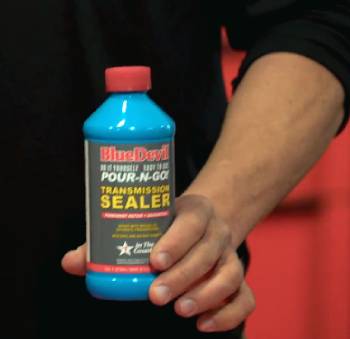
Correct dosing fluid maintenance and ongoing monitoring help BlueDevil Transmission Sealer perform at its best.
Confirm the exact transmission fluid capacity and current level before adding any sealer.
Add the recommended ounces per quart of total capacity rather than guessing.
Top off with the manufacturer-specified fluid after the sealer goes in.
Drive the vehicle under normal mixed conditions so heat and circulation can carry the formula to the seals.
Recheck the fluid level after the first few days and again after several hundred miles.
Inspect the usual leak area for reduced or stopped dripping.
Keep a simple log of fluid additions so any return of the leak becomes obvious.
Address the root cause with professional service once the sealer has stabilized the immediate loss.
Avoid mixing multiple sealers or overfilling the transmission.
These steps maximize the chance of a successful temporary seal and protect the transmission from low-fluid damage.
Even with careful use the product works best as a bridge to proper repair rather than a final solution for every leak.
Pros and Cons Of Blue Devil Transmission Sealer
Pros Of Blue Devil Transmission Sealer
- Simple Pour-In Application: Requires no special tools or transmission removal.
- Seal Conditioning Action: Targets dried cracked or shrunken rubber seals.
- Compatible with All Fluid Types: Works across common automatic and manual fluids.
- Non-Clogging Formula: Designed to avoid restricting internal passages or valves.
- Noticeable Leak Reduction: Many users including myself saw drips slow or stop.
- DIY Friendly: Can be added during a normal fluid top-off.
- Time-Buying Solution: Extends usable driving time before major repairs.
- No Complex Procedure: Follow the dose-per-quart guideline and drive.
- Stable Shifting Behavior: Did not introduce new engagement problems in testing.
- Widely Available: Easy to find online and in auto parts stores.
- Clear Dosing Guidance: Instructions scale with transmission capacity.
- Fast Results Possible: Some leaks improve within a few days of driving.
- Cost-Effective Short-Term Fix: Far cheaper than immediate seal replacement.
- Works While Driving: Heat and circulation help the formula reach seals.
- Peace of Mind for Minor Leaks: Reduces the stress of constant fluid loss.
The Analytical Cons Of Blue Devil Transmission Sealer
- Not a Permanent Mechanical Repair: Cannot fix cracked housings worn bearings or internal damage.
- Results Vary by Leak Source: Seal leaks respond better than hard-part failures.
- Requires Accurate Dosing: Too little may underperform and excess is unnecessary.
- Driving Time Needed: Full effect often appears only after several days or hundreds of miles.
- Temporary Nature for Some Vehicles: Larger or progressive leaks may return later.
- Not a Substitute for Diagnosis: Underlying problems still need eventual attention.
- Fluid Level Must Be Correct: Adding sealer to a critically low system is not ideal.
- Expectations Need Realism: Best viewed as a stop-gap rather than a lifetime cure.
- Professional Repair Still Recommended: Long-term reliability favors proper seal replacement.
- Heat and Age Limitations: Extremely hardened or missing seals may not respond.
- Monitoring Still Required: Fluid level should be checked regularly after treatment.
- Not for All Transmission Issues: Slipping harsh shifts or metal debris need different solutions.
- Bottle Size Versus Capacity: Larger transmissions require more product or multiple bottles.
- Success Depends on Leak Type: Positive outcomes cluster around seal and gasket seepage.
- Warranty and Shop Considerations: Some technicians prefer not to work on systems with aftermarket sealers.
Blue Devil Transmission Sealer Vs. Other Brands
- Blue Devil Transmission Sealer Vs. Bar’s Leaks Transmission Stop Leak
Bar’s Leaks is a widely available stop-leak brand with formulas for transmissions.
I compared both and found similar goals around seal swelling and leak reduction while BlueDevil emphasized permanent seal restoration language.
Real-world success depends more on the leak source than the brand name.
Users often choose based on current price and local availability.
- Blue Devil Transmission Sealer Vs. Lucas Transmission Fix
Lucas Transmission Fix focuses on conditioning and leak reduction with a different additive approach.
Side-by-side consideration showed both can slow minor seepage while neither replaces mechanical repair.
BlueDevil’s dosing clarity and seal-specific claims appealed to me for a straightforward leak.
Choice frequently comes down to which formula matches the symptoms most closely.
- Blue Devil Transmission Sealer Vs. ATP AT-205 Re-Seal
ATP AT-205 is a known seal conditioner used by some technicians.
Direct comparison revealed comparable intent with BlueDevil offering simpler consumer packaging and instructions.
Professional preference sometimes favors ATP while DIY users find BlueDevil easier to buy and apply.
Results still hinge on whether the seals are capable of responding.
- Blue Devil Transmission Sealer Vs. Generic Store-Brand Stop Leak
Inexpensive store-brand transmission stop-leak products promise similar outcomes at lower cost.
I found BlueDevil more consistent in user feedback and clearer in application guidance.
Generic options can work on very minor seepage yet carry higher uncertainty.
Reliability and instruction quality often justify staying with a recognized formula.
- Blue Devil Transmission Sealer Vs. Professional Seal Replacement
Shop seal replacement remains the definitive long-term repair.
Side-by-side reality showed the sealer far cheaper and faster for immediate leak control while professional work restores original integrity.
Most owners use the sealer to gain time and avoid being stranded.
Permanent peace of mind still belongs to proper mechanical service.
Also Read: Comparison Of Cataclean Vs. Rislone
Frequently Asked Questions (FAQs)
It can stop or reduce leaks caused by dried or shrunken rubber seals for many drivers. Success depends on the leak source and proper dosing.
Some improvement may appear within a few days of driving while fuller results often develop after several hundred miles.
The best choice depends on the specific leak and transmission type. BlueDevil ranks among the more frequently reported successful options for seal-related seepage.
Sealers can condition and swell rubber seals enough to slow or stop minor leaks. They do not repair mechanical damage cracked cases or severely worn components.
Final Thoughts
I used BlueDevil Transmission Sealer and found a clear reduction in fluid leakage and stable dipstick levels after proper dosing and driving time.
You should buy this sealer when you need a practical pour-in solution for minor seal-related transmission leaks and want to buy time before professional repair.
The main intent remains giving you practical results on leak control application and realistic limits so you can decide with clear information.
The product performs best as a temporary seal conditioner and rewards accurate dosing and continued fluid monitoring.