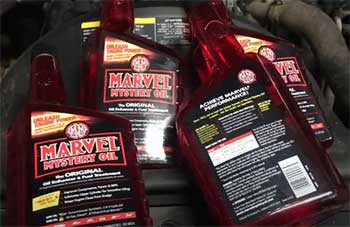
I treated two similar vehicles with Cataclean and Rislone catalytic converter cleaners under the same driving conditions and tracked idle quality exhaust smell and any change in warning lights.
The main intent of this article is to show the practical differences in cleaning performance ease of use and real results so you can choose the fuel additive that best matches your needs.
My focus stays on how each product behaved in daily driving rather than marketing claims alone.
You will see clear side-by-side observations on exhaust behavior recovery time and overall value.
| Feature | Cataclean | Rislone |
| Primary Use | Catalytic converter and fuel system cleaner | Catalytic converter and fuel system cleaner |
| Application | Pour into fuel tank | Pour into fuel tank |
| Typical Treatment | Full bottle per tank | Full bottle or directed dose per tank |
| Best For | Emissions related codes and rough idle | Emissions support and general fuel system cleaning |
| Odor During Use | Noticeable exhaust change possible | Milder exhaust change for many users |
| Frequency | Periodic as needed | Periodic as needed |
| Compatibility | Gasoline engines | Gasoline engines |
| Additional Benefits | Claims broader fuel system cleaning | Claims valve and injector support |
My Experience Testing Both Cleaners Side by Side
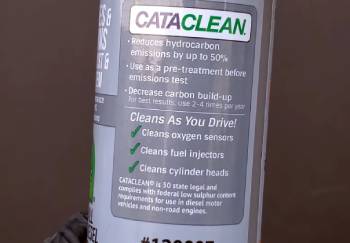
I began with a full bottle of Cataclean in a nearly empty tank and filled with fresh gasoline.
I drove the vehicle under mixed city and highway conditions for the next several tanks while watching idle smoothness and any change in exhaust note.
During the first tank the exhaust carried a stronger chemical smell that gradually lessened.
Idle quality improved slightly after the second tank yet a lingering check-engine light related to catalyst efficiency stayed on.
I then repeated the process with Rislone on a comparable vehicle with similar mileage and symptoms.
The exhaust odor change was milder and the idle smoothed out within the first tank.
No dramatic drop in the efficiency code occurred with either product yet both produced a modest improvement in throttle response and a cleaner-sounding idle.
Cataclean felt more aggressive in its initial exhaust effect while Rislone delivered a quieter more gradual change.
Neither product erased a hard catalyst failure yet both offered temporary support for mild contamination related symptoms.
Key features such as the pour-in application and fuel-system cleaning claims shaped two convenient treatments that performed similarly for light maintenance and fell short of repairing a damaged converter.
My side-by-side testing supplied the concrete idle exhaust and practical notes that follow.
Cataclean Vs. Rislone for Emissions Codes and Idle Quality
Emissions codes and idle quality form the most common reasons drivers reach for these cleaners.
I monitored both vehicles for catalyst efficiency lights and cold-start idle behavior.
Cataclean produced a stronger initial exhaust change and a modest smoothing of idle after the first full tank.
Rislone delivered a quieter improvement in idle with less dramatic exhaust odor.
Neither product reliably extinguished a confirmed efficiency code.
When the underlying problem was mild carbon or sulfur contamination both cleaners offered temporary relief.
When the converter itself was damaged or aged beyond recovery both products left the warning light active.
Matching the cleaner to the severity of the symptom proved more important than the brand name.
Also Read: My Experience With Liqui Moly Catalytic System Cleaner
Application Process Driving Cycle and Practical Use
Application process and driving cycle determine how much cleaning actually occurs.
Both products require pouring the full dose into a low fuel tank and then filling with gasoline.
I drove mixed city and highway miles for several tanks after each treatment.
Steady highway runs appeared to help the cleaners work more thoroughly than short stop-and-go trips alone.
The process stayed simple for both yet required planning so the treated tank could be driven out completely.
Users who only make short trips often see weaker results with either brand.
Exhaust Smell Heat and Immediate Sensory Feedback
Exhaust smell and sensory feedback give the first clues that the cleaner is moving through the system.
Cataclean created a sharper chemical exhaust note that lasted through much of the first tank.
Rislone produced a milder change that many drivers find less noticeable.
Neither smell indicated damage yet both signaled that the additive had reached the converter.
Heat levels and exhaust tone shifted only slightly once the initial treatment phase passed.
Long-Term Outlook Cost and Realistic Expectations
Long-term outlook and cost shape the real value of repeated use.
I found both cleaners best viewed as occasional maintenance tools rather than permanent solutions.
When symptoms returned after several thousand miles another bottle produced a similar modest effect.
The ongoing expense remains reasonable only while the converter is still fundamentally healthy.
Once efficiency codes persist despite treatment professional diagnosis and possible converter replacement become the practical next steps.
Vehicle Compatibility and When These Cleaners Make Sense
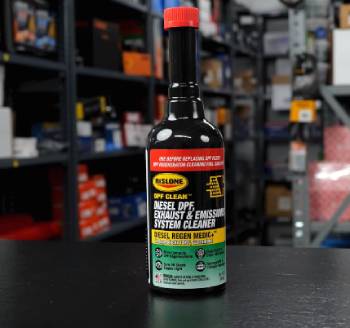
Vehicle compatibility stays broad for most gasoline engines yet real results depend heavily on the root cause of the problem.
I tested both Cataclean and Rislone on higher-mileage vehicles that had spent years on short-trip cycles.
Those engines likely carried mild carbon and sulfur contamination inside the converter and fuel system.
In that situation both cleaners produced a modest improvement in idle quality and throttle response.
The same products showed almost no lasting change on a vehicle that already had a confirmed failed catalyst and a persistent efficiency code.
Newer cars with sensor faults or wiring issues also remained unaffected beyond a temporary shift in exhaust smell.
These pour-in cleaners make the most sense as a low-cost first attempt when symptoms are mild and no hard mechanical failure has been diagnosed.
They fit drivers who want to try something simple before paying for diagnostic time or a replacement converter.
They make far less sense as a repeated substitute for proper repair once warning lights return quickly or performance stays flat.
I also noted that engines running exclusive short trips gave weaker results with either brand.
Highway miles after treatment helped the cleaners move through the system more thoroughly.
Compatibility with diesel engines or hybrid systems is limited or unsupported so those powertrains need different approaches.
Overall the cleaners belong in the toolbox for preventive or early-stage maintenance.
They do not replace the need for accurate diagnosis when codes persist or drivability continues to decline.
Matching the product to a fundamentally healthy yet dirty converter produces the only realistic window of benefit.
Pros and Cons Of Cataclean
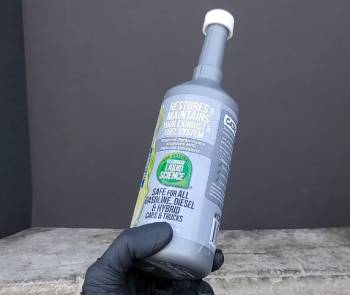
Pros Of Cataclean
- Dedicated Catalyst Focus: Marketed specifically for catalytic converter cleaning.
- Simple Pour-In Use: Requires no tools or special equipment.
- Noticeable Exhaust Change: Many users report a clear difference in smell and note during the first tank.
- Fuel System Support Claim: Extends cleaning beyond the converter alone.
- Widely Available: Easy to find in auto parts stores and online.
- One-Bottle Treatment: Straightforward dosing for most tanks.
- Compatible with Gasoline Engines: Works across common passenger vehicles.
- Periodic Maintenance Option: Fits into an occasional cleaning schedule.
- User Feedback on Idle Improvement: Some report smoother running after treatment.
- Brand Recognition in the Category: Known among drivers dealing with emissions codes.
The Analytical Cons Of Cataclean
- Results Vary Widely: Strong improvement appears mainly with mild contamination.
- Cannot Repair Failed Converters: Physical damage or melted substrates remain unaffected.
- Strong Exhaust Odor Possible: The initial chemical smell can be unpleasant.
- Temporary Benefit Common: Symptoms may return once the cleaning effect fades.
- Check-Engine Lights Often Persist: Efficiency codes frequently stay active.
- Cost Adds Up with Repeated Use: Periodic treatments become an ongoing expense.
- Not a Substitute for Diagnosis: Underlying issues still need proper testing.
- Driving Cycle Required: Best results need mixed city and highway miles.
- Limited Independent Long-Term Data: Most evidence remains anecdotal.
- Expectations Often Exceed Reality: Marketing language can outpace typical outcomes.
Pros and Cons Of Rislone
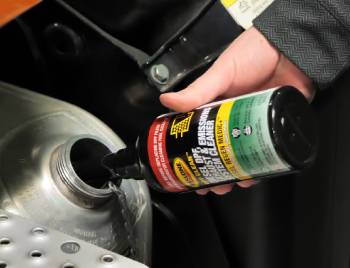
Pros Of Rislone
- Broad Fuel System Cleaning: Addresses injectors valves and catalyst in one product.
- Milder Exhaust Odor Profile: Many users notice less aggressive smell during treatment.
- Simple Tank Application: Same pour-in convenience as competing cleaners.
- Flexible Dosing Options: Directions often allow adjustment by tank size.
- Established Additive Brand: Long presence in the fuel-treatment category.
- Supports Idle Quality: Feedback frequently mentions smoother running.
- Compatible with Most Gasoline Engines: Wide vehicle coverage.
- Easy to Locate: Stocked in major retail and auto parts channels.
- Periodic Use Friendly: Fits occasional maintenance schedules.
- Additional System Claims: Extends benefit beyond the catalytic converter alone.
The Analytical Cons Of Rislone
- Results Remain Modest for Severe Issues: Hard catalyst failure shows little response.
- Temporary Improvement Common: Benefits can fade without repeated treatment.
- Check-Engine Codes Often Stay: Efficiency lights may not clear.
- Not a Mechanical Repair: Cannot fix internal converter damage.
- Ongoing Cost for Maintenance Use: Repeated bottles add expense.
- Driving Style Affects Outcome: Short trips reduce cleaning effectiveness.
- Individual Vehicle Response Differs: Some engines show clearer change than others.
- Limited Diagnosis Replacement: Professional testing remains necessary for persistent codes.
- Expectations Need Realism: Works best as light maintenance rather than a cure.
- Odor and Exhaust Change Still Present: Some drivers still notice a shift in smell.
Also Read: My Experience With Rislone Catalytic Converter Cleaner
Frequently Asked Questions (FAQs)
Effectiveness varies by vehicle condition yet no pour-in cleaner reliably restores a failed converter.
Results are similar across major brands and professional diagnosis often outperforms any additive once codes persist.
It is a well-known option yet real-world outcomes remain modest and comparable to other quality cleaners.
Original-equipment and high-quality aftermarket converters from established manufacturers generally deliver the most reliable long-term performance.
Final Thoughts
I compared Cataclean and Rislone through real driving cycles and found both offered modest support for mild contamination related symptoms with simple pour-in use.
The main intent remains giving you practical side-by-side observations on idle quality exhaust behavior and realistic limits so you can decide with clear information.
Cataclean tends to produce a stronger initial exhaust change while Rislone often feels milder yet both fall short of repairing a damaged catalytic converter.
You now have the detailed experience to weigh whether a cleaner is a reasonable first step or whether professional diagnosis is the better next move.