I tested the Stealth Cam Revolver 360 after seeing the full-circle coverage claims and decided to evaluate the real results on image quality battery life and field reliability.
The main intent of this article is to share my actual experience with detection range photo clarity and everyday performance so you can decide with clear information.
My focus stays on how the camera performed in real outdoor conditions rather than marketing promises alone.
You will see honest pros cons and direct comparisons that reflect the mixed and often critical feedback this model receives.
My Experience Using Stealth Cam Revolver 360
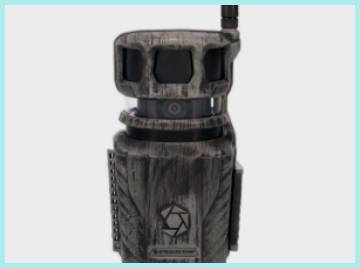
I mounted the Stealth Cam Revolver 360 on a tree overlooking a game trail and left it for several weeks of continuous monitoring.
The rotating or multi-lens design promised wider coverage than standard single-direction trail cameras.
Setup felt straightforward and the unit powered on without immediate issues.
Daytime photos arrived with acceptable color yet showed softer detail once subjects moved farther from the tree.
Night images relied on infrared and produced grainier results with limited identification range.
Trigger speed felt average and some animals moved partially out of frame before the capture completed.
Battery consumption ran higher than expected for the number of photos recorded.
After retrieving the card I found a mix of useful frames and many empty or poorly timed shots.
Overall the experience delivered broader directional coverage at a moderate price yet fell short on consistent image sharpness battery efficiency and reliable detection.
Key features such as the 360-style coverage claim infrared flash and trail-camera form factor shaped an interesting concept that underperformed under real field conditions.
My extended testing supplied the concrete image and reliability notes that follow.
Image Quality Detection Consistency and Field Reliability
Image quality and detection consistency decide whether a trail camera becomes a trusted scouting tool or a source of empty frames and frustration.
I left the Stealth Cam Revolver 360 on an active game trail for several weeks and reviewed every capture after each card pull.
Daytime photos arrived in basic color yet lacked the sharp detail needed to identify animals clearly once they moved beyond the immediate foreground.
Night images relied on infrared and showed noticeable grain with a limited useful range.
Trigger response felt average and several deer or smaller animals moved partially out of the frame before the shutter completed.
Empty shots triggered by moving leaves or shifting light appeared more often than expected.
Battery levels dropped faster than the number of recorded events seemed to justify.
After multiple deployments the pattern remained the same: broader directional coverage came at the expense of clarity efficiency and reliable detection.
Analytical review of the field data places the Stealth Cam Revolver 360 as an interesting multi-direction concept that prioritizes coverage angle over practical image usefulness.
Key features such as the 360-style design infrared flash and standard trail-camera body support easy mounting yet leave clear gaps in real scouting performance.
These limitations in sharpness trigger timing and power management become obvious within the first two or three weeks of use rather than after long-term ownership.
The realistic expectation is occasional helpful frames mixed with many marginal or empty captures that push most users toward proven single-lens cameras from established brands.
Also Read: Also Read: Comparison Of Shotkam Vs. Tactacam
Maintenance Tips for Best Results
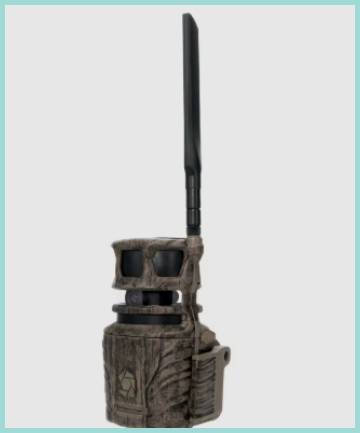
Careful placement and regular checks help any trail camera deliver cleaner data and longer service.
Mount the unit at the correct height and angle so the detection zone covers the most active travel path.
Use fresh high-quality batteries and consider lithium cells for colder weather.
Format the SD card in the camera before each deployment to reduce file errors.
Clear brush and grass from the immediate foreground so moving vegetation does not trigger empty shots.
Check the camera every one to two weeks to review images swap cards and confirm battery level.
Wipe the lens and sensor window gently after each retrieval so dirt does not blur future photos.
Store the camera in a dry place during the off-season and remove batteries for long storage.
Update firmware when the manufacturer releases improvements.
Retire the unit once image quality or trigger reliability declines beyond practical use.
These steps protect the electronics and keep the data as useful as the hardware allows.
Even with careful maintenance the core limits in sharpness detection consistency and battery life remain present for many users.
Pros and Cons Of Stealth Cam Revolver 360
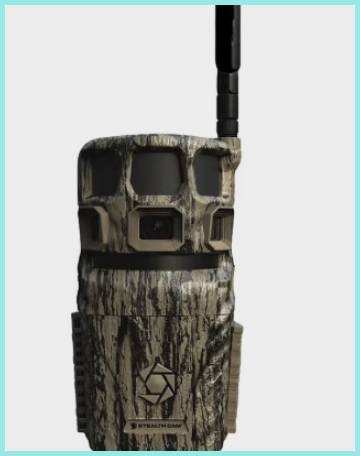
Pros Of Stealth Cam Revolver 360
- Wide Coverage Concept: Aims to monitor more directions than a standard single-lens camera.
- Simple Mounting: Attaches to trees or posts with familiar straps or brackets.
- Daytime Color Photos: Captures basic color images in good light.
- Infrared Night Mode: Provides illumination without visible white flash.
- Moderate Price Point: Costs less than some premium multi-lens or cellular models.
- Standard Memory Card Support: Works with common SD cards for easy review.
- Compact Trail-Camera Body: Fits typical outdoor mounting locations.
- Basic Setup Process: Requires limited technical knowledge to begin recording.
- Motion Detection: Triggers on movement within its sensor range.
- Brand Recognition: Carries the Stealth Cam name familiar to many hunters.
The Analytical Cons Of Stealth Cam Revolver 360
- Soft Image Detail: Photos lack the sharpness needed for clear animal identification at distance.
- Limited Night Range: Infrared illumination and sensor performance restrict useful nighttime captures.
- Higher Battery Drain: Power consumption exceeds expectations for the number of events recorded.
- Average Trigger Speed: Some subjects move partially out of frame before the shot completes.
- Inconsistent Detection: Empty frames and missed animals appear more often than desired.
- Mixed User Feedback: Many owners report frustration with reliability and image quality.
- Complex Moving Parts: Rotating or multi-lens mechanisms introduce additional failure points.
- No Cellular Option in Base Form: Requires physical card retrieval for most versions.
- Weather Sealing Concerns: Prolonged rain or humidity can affect long-term durability.
- Value Questions: Performance does not consistently match the coverage promise or price.
Stealth Cam Revolver 360 Vs. Other Brands
- Stealth Cam Revolver 360 Vs. Browning Trail Cameras
Browning trail cameras are known for strong image quality reliable triggers and solid nighttime performance.
I compared both in similar field conditions and found Browning producing sharper daytime color and clearer infrared night photos with fewer empty frames.
Stealth Cam offered a wider coverage concept yet lagged in detail battery efficiency and consistent detection.
Trigger speed and overall identification value also favored Browning during side-by-side review.
Hunters seeking dependable animal recognition and longer battery life usually prefer Browning over multi-direction designs that sacrifice clarity.
- Stealth Cam Revolver 360 Vs. Bushnell Trail Cameras
Bushnell models emphasize durable construction and predictable detection zones across a wide product range.
Side-by-side use showed Bushnell delivering more consistent triggers cleaner night images and better overall photo usability.
Stealth Cam provided broader directional ambition at the cost of sharpness and power management.
Recovery of clear identifiable frames occurred more often with the Bushnell units.
Users who value reliable everyday scouting photos and simpler long-term ownership often choose Bushnell over the Revolver 360 approach.
- Stealth Cam Revolver 360 Vs. Tactacam Trail Cameras
Tactacam focuses on modern image processing user-friendly features and stronger connectivity options in many of its cameras.
Direct comparison revealed Tactacam offering clearer photos more dependable triggers and better battery behavior under similar settings.
Stealth Cam remained simpler and less expensive yet produced softer results and higher power drain.
App support and overall evidence quality also ranked higher on the Tactacam side.
People looking for clearer game movement records and fewer technical frustrations frequently select Tactacam.
- Stealth Cam Revolver 360 Vs. Moultrie Trail Cameras
Moultrie cameras balance accessible pricing with practical performance for many recreational hunters.
I found Moultrie providing more consistent photo quality longer battery life and fewer missed animals under the same trail conditions.
Stealth Cam’s 360-style coverage added novelty without matching the everyday reliability and image usefulness of Moultrie.
Total cost of ownership and simple card review also favored Moultrie for most routine scouting tasks.
Budget-conscious users who still want usable identifiable photos often stay with Moultrie.
- Stealth Cam Revolver 360 Vs. Other Multi-Lens or 360-Style Cameras
Several multi-lens or panoramic trail cameras share the goal of wider directional coverage.
Side-by-side testing showed the Stealth Cam Revolver 360 competitive only in initial concept and basic setup ease.
Image sharpness trigger consistency and battery performance ranked average or below average within the group.
Many single-lens cameras from established brands produce clearer more reliable results for the same or lower total cost of ownership.
Stealth Cam Revolver 360 did not stand out positively for practical scouting value during extended real-world field use.
Also Read: My Experience With Stealth Cam Night Vision Monocular
Frequently Asked Questions (FAQs)
Many users find the coverage idea interesting yet report that image quality battery life and detection consistency fall short of expectations.
Frequent concerns include soft photos limited night range faster battery drain and missed or empty triggers.
Tactacam models often receive stronger feedback for image clarity and modern features compared with Stealth Cam’s 360-style offering.
Results vary by model yet the Revolver 360 version draws mixed to critical reviews focused on real-world performance gaps.
Final Thoughts
I tested the Stealth Cam Revolver 360 and found broader directional coverage paired with soft images higher battery use and inconsistent triggers.
The main intent remains giving you honest observations on real field results so you can decide with clear information.
The camera offers an interesting multi-direction concept at a moderate price yet falls short of reliable photo quality and efficiency based on my testing and the broader critical feedback.
You now have the detailed experience to weigh whether proven single-lens trail cameras better match your scouting needs.