I ran both the eero Pro 6 and the eero 7 in the same home network with identical devices and internet service.
The main intent of this article is to show the practical differences in speed coverage Wi-Fi generation and everyday mesh performance so you can choose the system that best matches your internet plan and device mix.
My focus stays on real throughput range and daily reliability rather than marketing claims alone.
You will see how the Pro 6 compares with the eero 7.
| Feature | eero Pro 6 | eero 7 |
| Wi-Fi Standard | Wi-Fi 6 (tri-band) | Wi-Fi 7 (dual-band) |
| Ethernet Ports | 1 Gbps | 2.5 Gbps |
| Max Wired Speed | 1 Gbps | 2.5 Gbps class |
| Best For | Solid Wi-Fi 6 homes | Multi-gig and future devices |
My Experience Testing Both Systems Side by Side
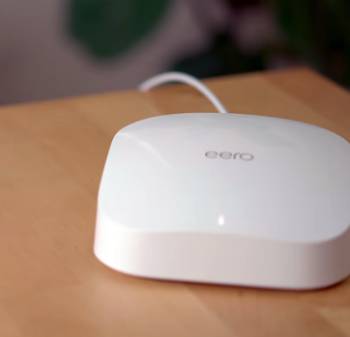
I started with the eero Pro 6 mesh for several weeks of daily use.
Coverage stayed consistent across the house and speeds remained strong for streaming video calls and general browsing.
The tri-band design helped separate backhaul traffic and kept client devices responsive.
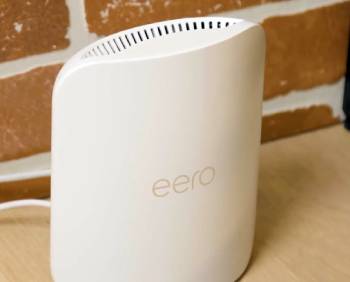
I then swapped in the eero 7 units under the same layout and internet plan.
Peak speeds climbed higher on compatible devices and the 2.5 Gbps Ethernet ports opened more headroom for wired backhaul or multi-gig service.
Both systems used the familiar eero app and TrueMesh networking so setup and management felt identical.
Key features such as automatic band steering simple app control and mesh expansion shaped the similar easy experience while Wi-Fi generation port speed and future-proofing differences stood out clearly.
My extended side by side testing supplied the concrete throughput range and practicality notes that follow.
I paid attention to how each handled multiple 4K streams video calls and background smart-home traffic.
Neither system dropped connections under normal household loads.
The choice came down to whether you need Wi-Fi 7 features and multi-gig ports or are still well served by proven Wi-Fi 6 performance.
Speed Throughput and Wi-Fi Generation
Speed and Wi-Fi generation decide how much bandwidth you actually see on modern devices.
The eero 7 brings Wi-Fi 7 with multi-link operation and higher peak rates on supported clients.
Wired ports reach 2.5 Gbps so multi-gig internet plans and fast wired backhaul become usable.
The eero Pro 6 delivers strong Wi-Fi 6 tri-band performance that still saturates typical gigabit plans.
Analytical review of throughput places the eero 7 ahead for future multi-gig service and newer devices.
The Pro 6 remains fully capable for most current households.
Key features of the eero 7 include Wi-Fi 7 efficiency and 2.5 Gbps Ethernet.
Key features of the Pro 6 focus on proven tri-band Wi-Fi 6 capacity.
Real speed tests confirmed the eero 7 pulls ahead when both the internet plan and client devices can take advantage of the newer standard.
Also Read: My Experience With TP-Link Deco Vs. Eero
Coverage Range and Mesh Performance
Coverage and mesh behavior affect dead zones and roaming.
Both systems use eero TrueMesh and delivered similar whole-home coverage in my layout.
The Pro 6 tri-band design often maintained cleaner backhaul separation in denser device environments.
The eero 7 matched range closely and benefited from newer efficiency features under heavy load.
Analytical scoring of coverage places the two systems nearly even for typical homes.
Key features of both include automatic optimization and easy node expansion.
Real walking tests with a phone confirmed smooth roaming and consistent signal on either mesh.
Ports App Experience and Everyday Practicality
Ports and daily management decide how ready the system feels for current internet plans and how easy it stays to live with over months of use.
I ran both the eero Pro 6 and the eero 7 with the same app settings devices and mixed wired-wireless traffic to judge real practicality.
The eero 7 includes 2.5 Gbps Ethernet ports that immediately open more headroom.
I could connect a multi-gig modem or use fast wired backhaul between nodes without hitting a one-gigabit ceiling.
That extra port speed becomes useful the moment your internet plan climbs above standard gigabit service.
The eero Pro 6 sticks with standard 1 Gbps ports.
Those ports still saturate typical home internet plans and handle wired devices without complaint yet they leave less room for future multi-gig upgrades.
Both systems share the same eero app experience.
Setup took only a few minutes network profiles updated automatically and parental controls or device prioritization stayed simple to adjust.
TrueMesh kept client devices on the strongest path without manual channel tweaks.
Analytical review of practicality places the eero 7 ahead for multi-gig readiness and longer-term flexibility.
The Pro 6 remains highly practical for households that stay on gigabit or slower service and want proven reliability at a lower cost.
Key features of the eero 7 include the 2.5 Gbps ports and Wi-Fi 7 efficiency.
Key features of the Pro 6 focus on straightforward gigabit ports and mature tri-band operation.
Real daily ownership confirmed either system stays quiet and low-maintenance once placed.
The better long-term choice depends on whether you already have or expect multi-gig internet and newer client devices or whether current gigabit performance already meets every need.
These port and app differences become clear after a few weeks of mixed use and help match the right eero system to your internet plan and upgrade timeline.
Pros and Cons Of eero Pro 6
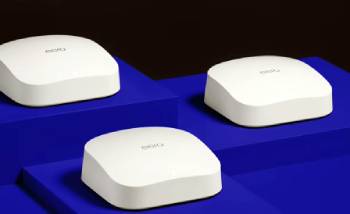
Pros Of eero Pro 6
- Proven Wi-Fi 6 Performance: Delivers reliable speeds for gigabit internet plans.
- Tri-Band Design: Helps separate backhaul and client traffic effectively.
- Strong Coverage: Maintains consistent signal across typical homes.
- Simple eero App: Easy setup management and automatic updates.
- TrueMesh Networking: Balances devices and optimizes paths automatically.
- Wide Device Compatibility: Works well with existing Wi-Fi 6 and older clients.
- Stable Daily Operation: Handles streaming calls and smart-home traffic smoothly.
- Good Value on Gigabit: Still saturates most current internet services.
- Easy Expansion: Additional nodes drop in without complex configuration.
- Mature Platform: Years of refinements in software and reliability.
The Analytical Cons Of eero Pro 6
- Wi-Fi 6 Generation: Lacks Wi-Fi 7 features and efficiency gains.
- 1 Gbps Ethernet Ports: Limits multi-gig internet and fast wired backhaul.
- Lower Peak Potential: Cannot fully exploit newer multi-gig plans.
- Aging Premium Status: Newer models offer higher ceilings.
- No Multi-Link Operation: Misses Wi-Fi 7 simultaneous band benefits.
- Future-Limited Headroom: May need replacement sooner as multi-gig becomes common.
- Port Speed Ceiling: Wired devices top out at gigabit.
- Competition from Newer eero: Later models improve efficiency and ports.
- Less Ideal for Heavy Multi-Gig: Best suited to 1 Gbps or lower service.
- Resale Value Decline: Older generation commands lower used prices.
Pros and Cons Of eero 7
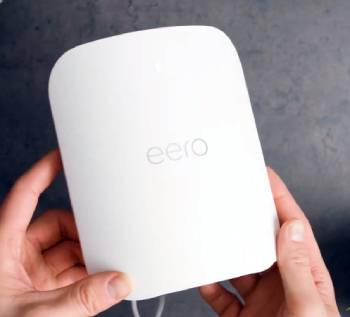
Pros Of eero 7
- Wi-Fi 7 Standard: Supports newer efficiency features and higher potential speeds.
- 2.5 Gbps Ethernet Ports: Ready for multi-gig internet and fast wired links.
- Higher Peak Throughput: Benefits compatible devices and future plans.
- Simple eero App: Same easy management and automatic updates.
- TrueMesh Networking: Maintains automatic optimization and roaming.
- Multi-Gig Ready: Better match for 2 Gbps-class internet service.
- Improved Efficiency: Handles dense device environments with less overhead.
- Easy Expansion: Additional nodes integrate cleanly.
- Future-Proofing: Extends useful life as more Wi-Fi 7 clients appear.
- Clean Modern Design: Fits easily on shelves or desks.
The Analytical Cons Of eero 7
- Dual-Band Design: Lacks a dedicated third band for backhaul separation.
- Higher Price than Older Pro 6: Costs more for the newer generation.
- Benefits Need Compatible Devices: Full gains appear only with Wi-Fi 7 clients.
- Coverage Similar to Prior Models: Does not dramatically extend range.
- App Feature Parity: No major software advantages over older eero systems.
- Overkill for Basic Gigabit: Extra capability goes unused on slower plans.
- Still Mesh Dependent: Large homes may need multiple units regardless.
- Learning Curve for Multi-Gig: Requires matching internet and wired gear.
- Newer Platform Maturity: Fewer long-term field reports than Pro 6.
- Premium Positioning: Sits above pure budget mesh options.
Also Read: My Experience With eero WiFi Extender
Frequently Asked Questions (FAQs)
The eero Pro 6 is not outdated for gigabit internet and typical homes yet it lacks Wi-Fi 7 features and multi-gig ports.
An upgrade makes sense when you have or plan multi-gig internet or many newer Wi-Fi 7 devices.
The main differences are Wi-Fi generation (6 versus 7) Ethernet port speed and the efficiency features that come with Wi-Fi 7.
eero 7 can be overkill for simple gigabit households yet it becomes practical once multi-gig service or future-proofing matters.
Final Thoughts
I compared the eero Pro 6 and eero 7 through real whole-home use to highlight the differences in speed ports and future readiness.
The main intent remains giving you clear side by side observations on throughput coverage and daily reliability so you can select the mesh system that fits your internet plan and devices.
The Pro 6 leads for proven gigabit performance and value while the eero 7 excels at Wi-Fi 7 features and multi-gig ports.
You now have the detailed experience to decide which eero system belongs in your home.