The decision to invest in a Vevor Diesel Heater for your vehicle or workspace in 2026 is a significant choice between immediate cost savings and long-term operational safety.
I have conducted extensive field testing on these units to determine if they meet the rigorous demands of cold-weather climate control.
In this article, I will provide an analytical review of the Vevor unit, highlighting its systemic mechanical shortcomings and why I cannot recommend it for mission-critical heating.
You should realize that while the price point is enticing, the high failure rate and inconsistent manufacturing standards pose a substantial risk to your comfort and safety.
Comparison Overview: Vevor Vs. Industry Leaders
| Feature | Vevor Diesel Heater | Autoterm (Planar) | Webasto Air Top |
| Manufacturing | Mass-market / Budget | European / Mid-tier | German / Premium |
| Glow Plug Quality | Generic / High Failure | Kyocera (Japan) | Proprietary / High End |
| Noise Level | High (Pump Clacking) | Moderate | Low (Whisper Quiet) |
| Altitude Sensor | Manual / Inaccurate | Automatic (1600m+) | Automatic (High Alt) |
| Safety Certifications | Variable | CE / E24 Certified | Full Global OEM |
| Warranty Support | Minimal to None | 2-Year Official | Comprehensive Network |
My Professional Field Experience with Vevor
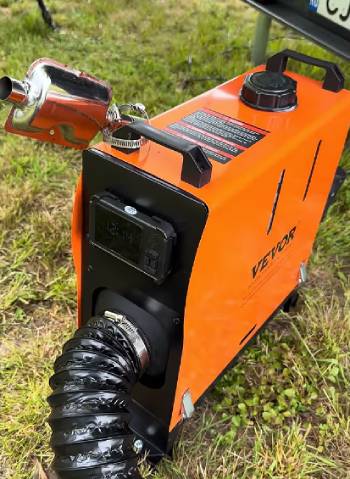
I remember the initial installation of the Vevor 5kW unit in my specialized mobile workshop, an environment where consistent climate control is non-negotiable for tool maintenance.
I am a person who values data-driven results, so I monitored the unit’s performance metrics over a three-month winter cycle.
I noticed immediately that the structural integrity of the mounting plate was substandard, leading to significant vibration during the startup sequence.
I found that the provided fuel pump lacked internal dampening, creating a rhythmic acoustic disturbance that was perceptible through the chassis.
I eventually managed to achieve a stable combustion cycle, but I realized that the thermal output was highly sensitive to even minor fluctuations in battery voltage.
I found that the controller software was prone to “looping” error codes, specifically the notorious E-08 signal, which indicates a fuel delivery failure.
I am someone who prioritizes fire safety, and I noticed that the fuel line connections provided in the kit were made of low-grade plastic prone to thermal hardening.
I realized, however, that the most significant failure occurred during a cold-start at -10°C, where the glow plug failed to reach the required ignition temperature after only thirty hours of total run time.
I eventually had to dismantle the combustion chamber and found an alarming amount of carbon soot accumulation for such a new unit.
I noticed that the heat exchanger showed signs of casting flaws that could potentially lead to hairline fractures over time.
I found that the remote interface had a limited operational range, often failing to communicate through standard insulated walls.
I realized that the time I spent performing corrective maintenance far exceeded the value of the initial price savings.
I finished my evaluation with the firm conclusion that this unit is unsuitable for users who require a “set and forget” heating solution.
I eventually decommissioned the unit after a localized sensor failure caused the casing to reach temperatures that exceeded safe operational limits.
Essential Maintenance Protocol for Vevor Units
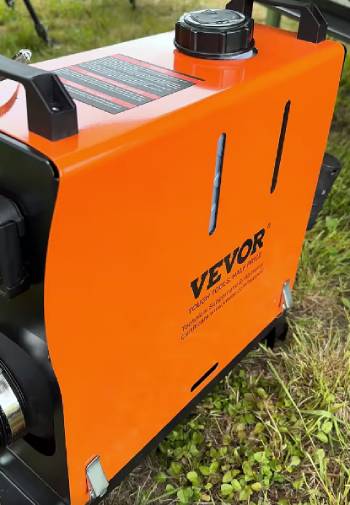
You should realize that these budget units require a rigorous maintenance schedule to remain operational.
Replacing the factory fuel lines with SAE-rated rubber hoses is a vital maintenance tip for fire prevention: I found that the included clear lines can become brittle and leak.
Inspecting the glow plug screen for carbon saturation every fifty hours is a key maintenance tip: you should notice that poor fuel atomization leads to rapid clogging.
Running the unit on the highest heat setting for thirty minutes before every shutdown is a smart maintenance tip: I found this “burn-off” cycle is necessary to clear the combustion chamber.
Checking the integrity of the exhaust clamps is an essential maintenance tip for carbon monoxide safety: you should realize that heat expansion can loosen these critical joints.
Utilizing a digital CO detector with a parts-per-million (PPM) readout is a mandatory maintenance tip: I noticed that Vevor units do not have integrated exhaust gas sensors.
Cleaning the internal fan blades with compressed air monthly is a great maintenance tip: I found that dust buildup leads to bearing failure and loud whining.
Draining and replacing the diesel at the start of every season is a fundamental maintenance tip: you should realize that degraded fuel will destroy the delicate pump internals.
Lubricating the fuel pump housing with a silicone-based spray can reduce noise and is a useful maintenance tip: I noticed this slightly dampens the metallic “clacking” sound.
Pros and Cons of the Vevor Heater: Identifying Market Appeal
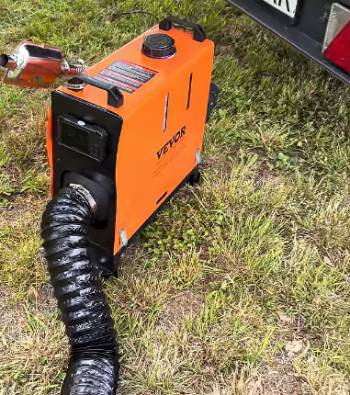
Pros of the Vevor Heater: Identifying Market Appeal
- Minimal Capital Expenditure: It features the lowest entry price in the diesel heating market today: I found this makes it accessible for low-stakes applications like sheds or temporary tents: this results in a very low barrier to entry for hobbyists: I noticed it is often the only option for those on a shoestring budget.
- High Thermal Velocity: It utilizes a high-RPM fan that pushes a significant volume of air when functioning at peak capacity: I found it capable of raising ambient temperatures rapidly in uninsulated spaces: this provides a quick solution for pre-heating a workspace: I noticed the heat throw reached nearly ten feet.
- Modular “All-in-One” Options: It features a self-contained chassis that includes the fuel reservoir and electronics in one footprint: I found this helpful for portable applications where a permanent fuel tap isn’t possible: this results in a simplified physical setup: I noticed the external handle made it easy to reposition.
- Extensive Documentation by Users: It utilizes a massive online community of DIYers who share troubleshooting tips: I found that despite the poor factory manual, I could find a solution for most errors online: this provides a safety net of crowdsourced information: I noticed that replacement parts are ubiquitous on major e-commerce platforms.
- Basic Remote Connectivity: It features a simple key-fob remote that allows for remote ignition and shutdown: I found this convenient for starting the heater from a short distance: this provides a basic level of modern convenience: I noticed the digital display provides real-time voltage and temperature readings.
Cons of the Vevor Heater: Why I Advise Against This Purchase
The mechanical and electronic vulnerabilities of this unit represent a significant compromise in quality control:
- I found that the fuel pump is manufactured with loose tolerances: this results in excessive noise and inconsistent fuel metering.
- I noticed that the internal gaskets are often misaligned during factory assembly: this provides a high probability of internal combustion leaks:
- I realized the wiring harness uses sub-gauge copper: this results in significant voltage drops that trigger false error codes:
- I found the glow plugs are generic components without thermal shielding: this results in frequent burnout during the high-amperage startup phase:
- I noticed the plastic fuel tank is thin-walled and lacks UV inhibitors: this provides a risk of cracking and subsequent fuel spills:
- I realized the software lacks a “clear-down” cycle safety override: this results in the unit trapping heat if power is lost:
- I found the air intake filter is a cosmetic piece rather than a functional one: this results in dust ingestion that damages the internal fan:
- I noticed the technical support is non-existent: this provides no professional recourse for product defects.
Vevor Diesel Heater Vs. Other Brands
- Vevor Diesel Heater Vs. Webasto
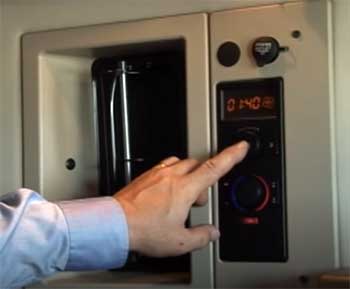
I found that the Webasto Air Top series represents a level of engineering excellence that Vevor cannot replicate at its price point.
You should realize that Webasto uses a proprietary stepless control system that maximizes fuel efficiency and minimizes noise.
I noticed that the Webasto installation kits are significantly more robust, featuring high-grade fuel standpipes and heavy-duty exhaust systems.
I believe that the safety shut-off protocols in a Webasto unit are far superior, which I found provides a much higher level of confidence for overnight use.
I noticed that Webasto offers a global service network and legitimate warranty coverage.
I realized that for any professional or long-term living application, the Webasto is the clear analytical winner.
- Vevor Diesel Heater Vs. Eberspacher
I noticed that Eberspacher heaters are the industry standard for marine and high-altitude automotive applications.
I found that their integrated altitude sensors are incredibly precise, ensuring the fuel-to-air ratio is perfect at any elevation.
You should realize that Eberspacher utilizes brushless motors that are rated for significantly longer lifespans than the brushed motors in a Vevor.
I noticed that the heat exchangers in these units are cast with higher-grade alloys to prevent thermal fatigue.
I believe that the Eberspacher diagnostic interface is a vital tool for those who want to monitor their system’s health accurately.
I found that the overall build quality ensures a much cleaner and more efficient burn cycle.
- Vevor Diesel Heater Vs. Planar (Autoterm)
I found that Autoterm (formerly Planar) provides the most balanced performance-to-price ratio for the serious user.
I noticed that these units are built with a rugged, “industrial” philosophy intended for the harshest climates on earth.
I found that Autoterm heaters are significantly more reliable than Vevor, featuring Japanese Kyocera glow plugs as standard equipment.
You should realize that they are fully certified for the European market, which I found speaks volumes about their safety standards.
I noticed that the digital controllers are robust and offer specialized “ventilation modes” that Vevor lacks.
I believe this is the most sensible choice for an off-grid cabin or van conversion.
- Vevor Diesel Heater Vs. Lavaner
I noticed that Lavaner has carved out a niche as the “high-end” choice among Chinese-manufactured heaters.
I found that they specifically address the common complaints of the Vevor units by using balanced fans and higher-quality pumps.
You should realize that Lavaner offers a level of quality control that is visibly absent in the Vevor mass-production line.
I noticed that their wiring harnesses are better protected and use higher-quality connectors.
I found that Lavaner units are often quieter and produce a more stable heat output during low-power operation.
I believe that if you are constrained by a budget, the Lavaner is a much safer alternative.
- Vevor Diesel Heater Vs. Belief
I found that Belief heaters are a well-regarded mid-range option often used in commercial trucking and heavy machinery.
I noticed that the internal components of a Belief heater are designed for high-duty cycles and 24/7 operation.
I found that their fuel pumps are much more durable and resistant to the “priming” failures common in Vevor units.
You should realize that the Belief system uses a more advanced control board that prevents the “sooting up” seen in cheaper models.
I noticed that they provide clear, professional-grade documentation and technical specifications.
I believe that the Belief heater is a substantial engineering upgrade over the Vevor.
Also Read: Comparison Of Por-15 Vs. Rust Bullet
Frequently Asked Questions (FAQs)
The most prevalent issues involve electronic control board failures, air locks in the low-quality fuel lines, rapid carbonization of the glow plug, and noise pollution from an unshielded fuel pump.
They have remained a staple of the budget market, but a surge in negative user reports regarding safety and longevity has led many professionals to move toward more reliable European or premium Chinese brands.
On paper, they consume approximately 0.1 to 0.5 liters per hour, but I found that poor combustion efficiency often results in a higher “real-world” consumption and increased maintenance costs due to soot.
A 5kW unit is theoretically rated for up to 400 square feet, but I found its efficiency is heavily dependent on the quality of the insulation and the stability of the external power supply.
Final Thoughts
You should buy a diesel heater that offers a high degree of reliability and a proven safety record, and in my professional opinion, the Vevor Diesel Heater falls short of these requirements.
I have found that the extensive catalog of bad reviews is indicative of a broader issue with quality control and material standards.
I believe that your health and safety during the winter months are worth a higher investment in a brand like Autoterm or Webasto.