When you are staring at the price tag of a premium rotomolded cooler, you should buy a YETI Tundra 35 or 45 based on your specific trunk space and how many people you intend to feed.
I have spent years hauling these heavy-duty boxes across beaches and campsites to help you understand which one actually fits your lifestyle.
My intent is to provide an analytical comparison of the Yeti 35 vs 45 so you can avoid the frustration of a cooler that is too small for your steak or too big for your backseat.
You should choose between these two based on my real-world testing and capacity analysis.
Comparison Table: Yeti Tundra 35 Vs. Yeti Tundra 45
| Feature | Yeti Tundra 35 | Yeti Tundra 45 |
| Actual Capacity | 28.8 Quarts | 32.9 Quarts |
| Empty Weight | 20 lbs | 23 lbs |
| Can Capacity (2:1 Ice Ratio) | 21 Cans | 28 Cans |
| Ice Capacity (Ice Only) | 26 lbs | 34 lbs |
| Internal Height | 9.375 inches | 9.375 inches |
| External Width | 21.3 inches | 25.5 inches |
| Ideal For | Solo trips/Daily use | Small groups/Overnighters |
My personal experience with the Yeti 35 and 45
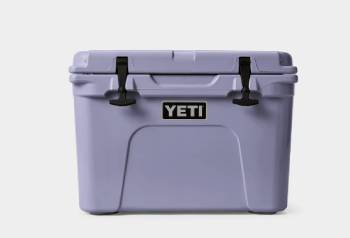
I remember the first time I loaded my Yeti 35 for a day trip to the lake; I was convinced I could fit everything for a group of four.
I am a fairly organized packer, but I quickly learned that the “35” in the name does not actually mean 35 quarts of space.
I found that once I added the recommended two-to-one ice ratio, my room for actual food and drinks vanished faster than I expected.
The 35 is a dream to carry by yourself; I can easily grab the rope handles and move it from the garage to the truck without feeling like I am training for a strongman competition.
However, when I upgraded to the Yeti 45 for a weekend camping trip, I noticed a significant shift in utility.
I am particularly fond of the extra four inches of width you get with the 45.
I was able to lay down a full pack of bacon and a carton of eggs side-by-side without having to stack them into a precarious tower.
I found that the 45 is the smallest size I would recommend for two people staying out for more than 24 hours.
The weight difference is only about three pounds when empty, but I noticed that once fully loaded with ice and beverages, the 45 starts to test the limits of what a single person can comfortably carry over a long distance.
You will likely find that the 35 is the “perfect” day cooler for the back of an SUV.
It stays put, doesn’t slide around too much, and leaves plenty of room for your other gear.
I think it is vital for you to measure your vehicle’s cargo area before making the jump to the 45, as those extra inches on the exterior can be the difference between the hatch closing or staying open.
In my experience, the 35 is the ultimate “personal” cooler, whereas the 45 is the smallest “group” cooler.
I have come to appreciate the 35 for its agility, but the 45 is what I reach for when I know a BBQ is involved.
Maintenance and tips for Yeti Cooler longevity
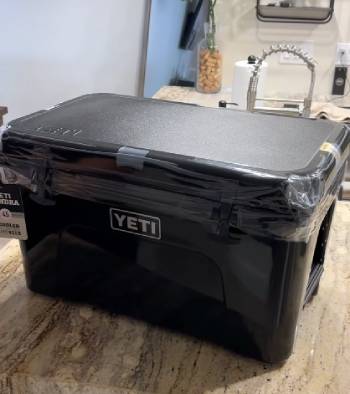
- Always Pre-Chill Your Yeti the Night Before: You should place a “sacrificial” bag of ice in your cooler 12 hours before you plan to load it. This brings the temperature of the thick insulation down so that your “real” ice doesn’t waste energy cooling the plastic walls, which is the secret to getting that legendary five-day ice retention.
- Use the Two-to-One Ice-to-Contents Ratio: You should prioritize ice over food if you want your items to stay cold. Filling the cooler to the brim with ice ensures there is no “dead air” where warm air can sit, which is the most analytical way to manage your thermal mass during a long trip.
- Store Your Cooler with the Lid Propped Open: You should never seal your Yeti after cleaning it until it is 100% dry. Trapped moisture can lead to mold and mildew growth in the corners, so keeping the lid slightly ajar ensures air circulation and keeps your cooler smelling fresh for your next adventure.
- Clean with Mild Soap and Warm Water: You should avoid using harsh chemicals or abrasive scrubbers on the rotomolded plastic. A simple mixture of dish soap and water will remove most stains; for stubborn odors, a solution of water and bleach (at a 6:1 ratio) is safe to use as a deep disinfectant.
- Check the Rubber T-Latches Periodically: You should inspect your latches for any signs of cracking or UV damage. While they are built to last, keeping them clean and occasionally applying a bit of silicone grease will ensure they stay supple and continue to provide that airtight seal that Yeti is famous for.
- Keep the Cooler in the Shade Whenever Possible: You should try to keep your Yeti out of direct sunlight even though it has UV protection. Covering it with a light-colored towel or keeping it under a tree can extend your ice life by up to 24 hours, as the outer shell won’t absorb as much radiant heat from the sun.
Pros and Cons of the Yeti Tundra 35
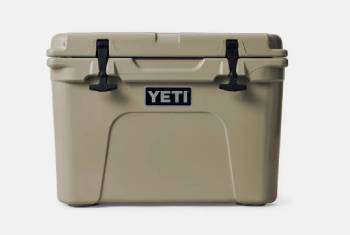
Pros of the Yeti Tundra 35
- Unmatched Portability for Solo Users: This is the largest Yeti that feels truly “light” when empty: the compact footprint allows you to carry it close to your body: this reduces the strain on your lower back and makes it easier to navigate through narrow trails.
- Fits Perfectly in Small Car Trunks: I have found that the 35 fits into the trunk of a standard sedan with ease: it leaves room for a backpack or a folding chair next to it: this makes it the best choice for commuters or people with compact vehicles.
- Exceptional Ice Retention for Short Durations: Because the interior volume is smaller, there is less “dead air” to cool down: I have seen the 35 hold ice for three days in 90-degree heat without a problem: this is more than enough for a standard weekend getaway.
- Doubles as a Sturdy Casting Platform: The 35 is incredibly stable despite its smaller size: I often use it as a step stool or a seat on my small fishing boat: the non-slip feet ensure that you won’t go sliding across the deck.
- Lower Price Point for Premium Quality: You get the same rotomolded durability and thick PermaFrost insulation as the larger models: this allows you to enter the Yeti ecosystem without spending the extra $50 to $75 for the 45: this is a great analytical choice for those on a budget.
- Easy to Drain and Clean: The smaller interior means you can wipe it down in seconds: the drain plug is easy to access: this saves you time when you get home from a long trip and just want to relax.
- Highly Efficient Cooling with Less Ice: You don’t need to buy three bags of ice to get this cooler ready: one large bag usually provides a perfect two-to-one ratio: this saves you money and space over the lifetime of the product.
Cons of the Yeti Tundra 35: What to watch out for:
- Limited Internal Height for Tall Bottles: You will struggle to stand up a standard wine bottle or a two-liter soda bottle: the 9.3-inch internal height means most tall items must lay on their side: this increases the risk of leaks and takes up floor space.
- Actual Volume is Much Smaller than the Name Suggests: With only 28.8 quarts of usable space: you might find it barely holds more than a high-quality soft cooler: this can lead to “buyer’s remorse” if you have a large family to feed.
- The “Square” Shape Can Be Hard to Pack: Unlike the 45 which is wider, the 35 is more of a cube: this means you have to stack items on top of each other: this makes it harder to find the snack at the bottom without letting out all the cold air.
- Tight Squeeze for a 2:1 Ice Ratio: If you actually follow the instructions for maximum ice retention: you only have room for about 21 cans: this is a very low capacity for a cooler of this physical weight.
- Heavier than Cheaper Coolers of the Same Size: At 20 pounds empty, it is a heavy box for its capacity: if you are used to plastic “grocery store” coolers, the weight will be a shock: this is the price you pay for the thick insulation.
- No Wheels for Transport over Long Distances: Since it is a Tundra, you have to lug it: if you are walking a half-mile to the beach, the handles will eventually dig into your hands: this makes it less ideal for long treks.
- Limited Color Options in Certain Seasons: Yeti tends to focus its limited edition colors on the 45 and 65 models first: you might find that the 35 has a more restricted palette at retail: this is a minor aesthetic downside but worth noting.
Pros and Cons of the Yeti Tundra 45
Pros of the Yeti Tundra 45
- The Goldilocks Size for Weekend Camping: The 32.9 quarts of actual capacity provides that extra “breathing room”: it is the most popular size for a reason: this allows you to pack for two people for a full 48 hours without compromises.
- Better Horizontal Space for Organized Packing: The extra four inches of width are a game changer: you can lay out your proteins and produce in a single layer: this prevents your sandwiches from getting crushed under the weight of the ice.
- Higher Can Capacity for Social Gatherings: Being able to hold 28 cans with ice makes it a viable choice for a small BBQ: you won’t be running back to the fridge every hour to restock: this makes it the superior social cooler.
- Maintains Ice Longer in Extreme Environments: The larger thermal mass of the 45 means it resists external heat slightly better than the 35: I have found that in mid-summer, the 45 holds its temperature for about half a day longer: this is a crucial analytical point for desert camping.
- Fits Standard 12-Pack Boxes Easily: You can slide a whole cardboard box of soda or beer into the 45: in the 35, you usually have to take the cans out and pack them individually: this saves you time and effort during the loading phase.
- Superior Resale Value in the Secondary Market: Because the 45 is the “standard” size, it is easier to sell if you ever decide to upgrade: the demand for used 45s is incredibly high: this makes your initial purchase a more secure investment.
- Perfect Balance of Size and Functionality: It still fits on the back seat of most trucks: it isn’t so large that it becomes a permanent fixture in your truck bed: this versatility is why it is the most recommended size on most outdoor forums.
Cons of the Yeti Tundra 45: The downside of the upgrade:
- Can be difficult for one person to carry when full: once you add 34 pounds of ice and 28 cans: the total weight exceeds 70 pounds: this requires a partner for safe transport over uneven terrain.
- Takes up significantly more floor space in your garage: those extra four inches of width mean it doesn’t fit into tight corners as easily as the 35: this might be an issue if you live in a small apartment or have a cluttered workshop.
- Requires more ice to reach a 2:1 ratio: you will need to buy at least two large bags of ice to properly prime and fill the 45: this adds a recurring cost to every trip you take: this is less efficient for solo day trips.
- Still has the same internal height issue as the 35: even though it is wider, it is not taller: you still cannot stand up a standard bottle of wine: this is a persistent design quirk that many users find annoying.
- Outer dimensions may be too wide for small hatches: I have seen the 45 struggle to fit into the back of some compact crossovers: this can lead to a “Tetris” situation where you have to move your other gear just to fit the cooler.
- Higher Price Point for a Marginal Volume Increase: You are paying a premium for only about 4 quarts of extra space: from an analytical standpoint, the cost-per-quart is higher on the 45: this makes the 35 look like a better “pure value” play.
- The drain plug is the same size as the 35: it doesn’t drain any faster even though there is more liquid to move: this can be a slow process when you are trying to pack up a wet campsite in the rain.
Yeti Tundra 35 Vs. Other Brands
- Yeti Tundra 35 Vs. RTIC 35
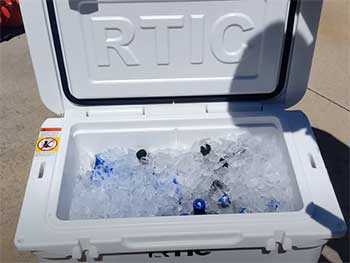
RTIC is the primary challenger to the Yeti throne and often offers their coolers at a much lower price.
I have found that the RTIC 35 is actually slightly larger in internal volume than the Yeti 35.
Analytically, RTIC models are often truer to their quart-size names, meaning an RTIC 35 actually holds closer to 35 quarts.
However, I have noticed that the finish on the Yeti is often superior, with fewer “seams” and a more robust latch system.
If you are strictly looking at the bottom line, the RTIC is a fantastic value, but the Yeti holds its resale value much better over time.
- Yeti Tundra 45 Vs. Orca 40
Orca is an American-made brand that many claim outperforms Yeti in pure ice retention tests.
I have found that the Orca 40 has a very similar capacity to the Yeti 45 despite the name difference.
Analytically, Orca coolers often include a cargo net on the back for extra storage, which is a feature I wish Yeti would adopt.
The Orca 58 is a heavy-duty beast, but the Yeti 45’s aesthetics and widespread accessory ecosystem make it more “livable.”
You will find that Orca is for the person who wants the absolute max ice time, while Yeti is for the person who wants the best overall brand experience.
- Yeti Tundra 35 Vs. Pelican Elite 30
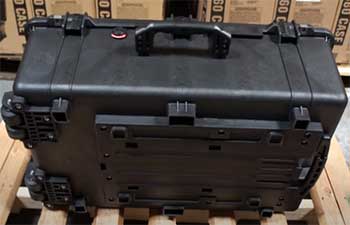
Pelican is known for their “over-the-top” hardware, including massive push-button latches that are much easier to use than Yeti’s rubber pulls.
I have noticed that the Pelican 30 is significantly bulkier and heavier than the Yeti 35 due to its aggressive design.
Analytically, the Pelican offers better “ease of use” for those with cold hands or gloves, but it takes up way more room in a trunk.
The Yeti 35’s sleek, smooth sides make it much easier to pack gear around it in a tight space.
If you want the most secure latches in the world, go Pelican; if you want a cooler that actually fits in your car, stay with the Yeti.
- Yeti Tundra 45 Vs. Engel DeepRay
Engel is the “OG” of the high-end cooler world and is often the choice for professional offshore fishermen.
I have found that Engel coolers are designed to be a bit slimmer, which allows them to fit better under leaning posts on boats.
Analytically, the Engel 45 doesn’t have the same “lifestyle” appeal as the Yeti, but it is a focused, high-performance tool.
Yeti has done a better job of creating a cooler that looks as good at a backyard BBQ as it does in the wilderness.
Engel is the “no-nonsense” alternative, but Yeti’s customer support and community are much larger.
- Yeti Tundra 35 Vs. Grizzly G20
Grizzly coolers are famous for their IGBC bear-resistant certification and unique “claw” latches.
I have found that the Grizzly G20 is more of a competitor to the Yeti Roadie than the Tundra 35.
Analytically, Grizzly offers a lifetime warranty which beats Yeti’s 5-year warranty on the Tundra series.
However, the Yeti 35 feels more “solid” when you sit on it, and the lid hinges have less “play” in them.
Grizzly is a fantastic American-made alternative, but Yeti’s insulation remains the benchmark that everyone else is trying to hit.
Frequently Asked Questions (FAQs)
The 45 is 4 inches wider and holds about 4 more quarts (28 cans vs 21 cans), while the 35 is more compact and easier for one person to carry.
The YETI Tundra 45 is widely considered the most useful “all-around” size because it balances high capacity with the ability to still fit in most vehicle trunks.
Yes, if you primarily do solo trips or need a high-end day cooler that fits in small spaces; however, families may find the capacity too restrictive.
If you follow the recommended 2:1 ice-to-can ratio, you can comfortably fit 21 standard 12-ounce cans in the YETI Tundra 35.
Final Thoughts
When you are choosing between these two rotomolded icons, you should buy the size that fits your vehicle first and your appetite second.
I have found that the Yeti 35 is the analytical winner for the solo traveler who values mobility, while the 45 is the king of the weekend camping trip.
You should choose the 35 if you are tight on space and primarily do day trips, but the 45 is the only way to go if you are feeding two people for a full weekend.
I believe that both coolers are generational investments that will outlast almost any other piece of gear in your garage.
You deserve to have cold drinks and fresh food no matter how far off the grid you go, and either of these Tundras will get you there.