When you are staring at a long shift on a concrete floor or a muddy job site, the difference between a productive day and a miserable one often comes down to what you have on your feet.
I have tested dozens of work boots over the years, and I can tell you that the Wolverine Floorhand is a standout for anyone who needs reliable protection without breaking the bank.
My intent is to provide an analytical, real-world review of these boots so you can see if they are the right fit for your grind.
You should buy these boots if you want a waterproof, sturdy, and classic leather workhorse that prioritizes your comfort from the first lace-up to the last clock-out.
My personal experience with the Wolverine Floorhand
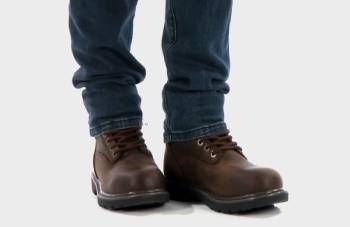
I remember the first morning I unboxed my Floorhands. It was a Tuesday, and I had a twelve-hour shift ahead of me that involved a mix of warehouse walking and some light outdoor maintenance in the drizzling rain.
Usually, with a new pair of leather boots, I’m mentally preparing for a week of blisters and stiff ankles. To my surprise, these boots felt remarkably forgiving right out of the box.
The leather didn’t have that “plastic” stiffness you often find in budget boots; it moved with my foot almost immediately.
Throughout that first day, I kept waiting for the “new boot ache” to set in, but it never really did. The cushioned footbed provides a nice bit of “bounce” that makes standing on hard concrete feel a lot less draining.
By the time the sun went down and the rain started coming down harder, I was wading through puddles and mud. The waterproof full-grain leather held up its end of the bargain—my socks stayed bone-dry, which is the ultimate test for any boot claiming to be waterproof.
After four months of consistent wear, I have noticed that they have molded perfectly to my feet. I’ve used them on ranch land, in factories, and even for a bit of weekend yard work.
While they aren’t the lightest shoes in my closet, the weight feels “protective” rather than “clunky.”
I did notice that when I was walking across a floor with a fresh oil spill, they weren’t quite as “sticky” as some high-end specialized slip-resistant soles, but for general water and mud, the traction was excellent. They have become my go-to “daily driver” because they just work.
Professional Maintenance Tips for Maximum Longevity
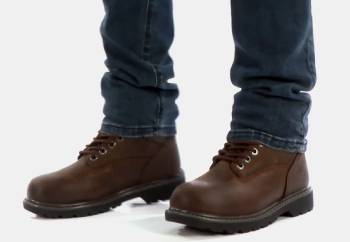
Maintaining your Wolverine Floorhand boots is not just about keeping them looking sharp; it is about preserving the structural integrity of the leather and the waterproof membrane.
You should prioritize a routine that prevents the full-grain leather from drying out and cracking under the pressure of daily use.
One of the most effective maintenance habits you can adopt is the daily brush-off.
When you finish your shift, take thirty seconds to brush away loose dirt and debris with a soft-bristled brush.
If you allow mud to sit on the leather overnight, it acts like a sponge, drawing out the natural oils that keep the hide flexible.
Once those oils are gone, the leather becomes brittle and prone to splitting at the flex points near your toes.
For a deeper clean, you should use a specialized leather cleaner or a very mild soap and water solution once a month.
Avoid saturating the leather; instead, use a damp cloth to lift away the grime that has worked its way into the grain.
After cleaning, it is vital to apply a high-quality leather conditioner or mink oil to replenish the moisture.
I have found that applying conditioner while the leather is slightly warm—perhaps after wearing them or keeping them in a warm room—helps the pores of the hide absorb the treatment more deeply.
When it comes to the waterproof seal, remember that even factory-treated leather can lose its effectiveness over time.
If you notice that water is no longer beading on the surface of your Floorhands, you should apply a silicone-based waterproofing spray.
This adds an extra layer of defense without compromising the breathability of the boot.
Another crucial tip is to never dry your boots next to a direct heat source like a radiator or a wood stove.
Forced heat will shrink the leather fibers and can actually melt the adhesives used in the sole construction.
Instead, stuff your wet boots with crumpled newspaper to absorb internal moisture and let them air dry in a well-ventilated area.
Finally, you should consider replacing your insoles every six months.
The cushioned footbed in the Wolverine Floorhand is excellent, but like all foam products, it eventually loses its “memory” and impact absorption.
By swapping in a fresh set of high-quality orthotics, you can extend the life of the boot’s support system and keep your joints happy.
You should buy a dedicated boot dryer if you work in extremely wet conditions, as this provides a gentle, low-heat airflow that prevents bacteria and odors from taking root in the lining.
Maintenance tips for your boots
A good pair of leather boots is an investment, and if you treat them right, they will protect you for years.
- Clean them after every shift: Use a damp cloth to wipe away mud and salt. If you let mud dry on the leather, it can suck the moisture out of the hide and cause it to crack over time.
- Condition the leather: Every few months, apply a high-quality leather conditioner or mink oil. This keeps the full-grain leather supple and maintains the waterproof barrier.
- Dry them naturally: If your boots get soaked, never put them in front of a heater or use a hair dryer. Extreme heat will make the leather brittle. Let them air dry at room temperature.
- Rotate your footwear: If possible, don’t wear the same boots two days in a row. Giving them twenty-four hours to “breath” and dry out from your foot’s natural moisture will prevent odors and rot.
- Check the outsoles: Keep an eye on the tread wear. If you notice the rubber is becoming smooth in certain areas, your traction will decrease, especially on wet surfaces.
Pros and Cons of the Wolverine Floorhand
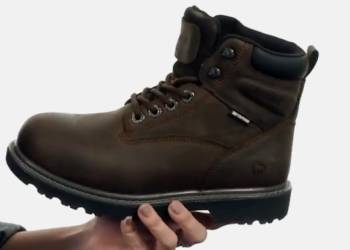
Pros of the Wolverine Floorhand
- Instant Break-In Period: Unlike many heritage boots that require weeks of pain, you can wear these for a full shift on day one without feeling like your feet are in a vice.
- Reliable Waterproofing: The full-grain leather is treated effectively, and the interior membrane does a fantastic job of keeping external moisture out while letting your feet breathe.
- Excellent Price-to-Performance Ratio: You are getting a boot from a brand with over 140 years of history that performs like a premium model but at a much more accessible price point.
- Durable Rubber Outsole: The treads are deep and aggressive, which is perfect for digging into dirt, gravel, and uneven terrain without losing your balance.
- All-Day Comfort Footbed: The removable cushion footbed follows the natural shape of your foot, providing arch support that significantly reduces leg fatigue during long hours.
- Classic American Styling: These boots look just as good with a pair of work jeans on the site as they do at a casual weekend gathering, thanks to the high-quality leather finish.
Cons of the Wolverine Floorhand
- Slip Resistance in Oil: While they handle water and mud with ease, I found that they can be a bit slick on smooth surfaces coated in heavy industrial oils or grease.
- Breathability in Extreme Heat: Because they are waterproof, they can get a bit warm during a 12-hour summer shift; your feet might feel a bit “toasty” if you aren’t wearing moisture-wicking socks.
- Lace Durability: The factory laces are a bit on the thin side and might need replacing after a few months of heavy “tug-and-tie” use.
- Standard Insole Longevity: If you have high arches or plantar fasciitis, you might find that the factory insole loses its “squish” after about six months of daily use on concrete.
- Weight for Long-Distance Walking: These are work boots, not hiking boots; if your job requires walking 10+ miles a day, the weight might start to feel heavy by the end of the shift.
Also Read: My Thoughts On Bearpaw Boots
Wolverine Floorhand Vs. Other Brands
- Wolverine Floorhand Vs. Timberland PRO Pit Boss
When you compare the Floorhand to the Timberland PRO Pit Boss, you are looking at two titans of the industry.
The Pit Boss is often praised for its massive comfort suspension system and electrical hazard protection.
However, I have found that the Wolverine Floorhand offers a much sleeker profile for your daily movement.
The Timberland can feel a bit boxy and clunky if you have a narrower foot or prefer agility.
Analytically, the Floorhand wins on out-of-the-box flexibility, whereas the Pit Boss often requires a bit more time to really soften up.
You should buy the Wolverine if you want immediate comfort without a heavy break-in.
- Wolverine Floorhand Vs. Caterpillar Second Shift
The Caterpillar Second Shift is a legendary hard-labor boot that emphasizes durability above almost everything else.
It uses a very thick, heavy-duty leather that can take a serious beating on a construction site.
But when I put them side-by-side with the Floorhand, the Wolverine is the clear winner for water resistance.
The Second Shift is often not fully waterproof in its standard form, whereas the Floorhand is built to handle the rain.
If your work involves a lot of mud and puddles, you will appreciate the Wolverine’s sealed construction.
You should buy the Floorhand to ensure your socks stay dry all day.
- Wolverine Floorhand Vs. Ariat Groundbreaker
Ariat is known for integrating Western cowboy boot technology into their work lines for maximum support.
The Groundbreaker has a very stiff, supportive shank that is great for people who spend all day climbing ladders.
However, for pure walking comfort on flat warehouse floors, I prefer the Wolverine Floorhand every time.
The Wolverine has a more traditional work boot flex that feels more natural for constant movement on concrete.
The Ariat is a specialist’s tool, while the Wolverine is the ultimate generalist that can handle ninety percent of jobs with ease.
You should buy the Floorhand for a more natural and cushioned stride.
Also Read: My Thoughts On NORTIV 8 Hiking Boots
Frequently Asked Questions (FAQs)
Yes, they are excellent “all-rounder” boots that offer a perfect mix of waterproofing, comfort, and durability for an affordable price.
Generally, they run true to size, but since they have a roomy toe box, some users with narrow feet find that going down a half-size provides a more secure fit.
The standard Floorhand is not heavily insulated, though there is a specific “Floorhand Insulated” version available with 200G or 400G of warmth for winter work.
In 2026, the top-rated models are the Wolverine Floorhand, Timberland PRO Pit Boss, Ariat Groundbreaker, Thorogood American Heritage, and Red Wing Iron Ranger.
Final Thoughts
In the final analysis, the Wolverine Floorhand stands out as a boot that respects your hard work and your wallet.
If you want a boot that combines the heritage of an iconic American brand with modern waterproof technology and “day-one” comfort, you should buy these.
I have found that while there are more expensive specialized boots on the market, the Floorhand delivers exactly what most workers actually need: a dry foot and a comfortable stride.
You should buy the Wolverine Floorhand if you are ready to stop worrying about your gear and start focusing on getting the job done.