When you are scanning the golf ball aisle and see the neon glow of the Volvik Vivid, you might feel the urge to buy them for their incredible visibility.
I have spent the last few weeks analyzing these matte-finish balls on the course to provide an honest, first-person perspective on whether they actually help your scorecard.
My intent is to highlight the performance gaps that many casual golfers overlook when they are dazzled by the bright colors.
You should consider the technical trade-offs in feel and spin before you commit to these as your primary game ball.
My disappointing round with the Volvik Vivid
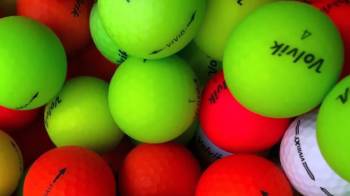
I remember the first time I teed up a lime green Volvik Vivid; the matte finish felt strange in my hand, almost like a piece of high-density craft foam.
I am a mid-handicap player who usually prioritizes a soft feel around the greens, but I wanted to see if the “visibility” claims would save me from losing balls in the thick summer rough.
The first drive felt like I was hitting a polished rock; the “click” sound was jarringly high-pitched, and I felt a significant amount of vibration travel up the shaft of my driver.
I noticed that while the ball stayed relatively straight, it lacked the penetrating flight I get from my usual urethane-covered balls.
The real trouble started when I reached the scoring zone. I am someone who relies on a one-hop-and-stop check on my chip shots, but the Volvik Vivid seemed to have a mind of its own.
On a standard 20-yard pitch, the ball hit the green and just kept rolling, showing almost zero check-spin despite a clean strike. I found it incredibly difficult to judge distances because the cover material feels “dead” off the face of the wedges.
Even on the putting green, the matte coating produced a hollow sound that messed with my speed control all afternoon.
Analytically, I saw that while I didn’t lose any balls because they were so easy to spot, my score was actually three strokes higher than my average.
The lack of short-game feedback and the firm, almost “plastic” feel made it hard to develop any touch.
I also noticed that the matte finish picked up dirt and grass stains much faster than a glossy ball, and once it got scuffed, the bright color actually made the damage look worse.
You will likely find that while these are a fun novelty for a casual scramble, they lack the sophisticated engineering needed for a serious round of golf.
Maintenance and tips for golf ball care
- Clean With a Moist Microfiber Cloth: You should avoid using abrasive brushes on the matte finish of the Volvik Vivid. The surface is prone to micro-scratches that can collect dirt, so a gentle wipe with a damp cloth after every hole is necessary to maintain that neon glow.
- Store in a Climate-Controlled Environment: You should never leave your golf balls in the trunk of a hot car during the summer. Excessive heat can alter the chemical composition of the core, leading to a loss of “spring” and making the ball feel even firmer than intended.
- Check for Cover Imperfections: You should run your thumb over the surface of the ball before every tee shot. If you feel any sharp scuffs or “hair” from a wedge strike, you should take the ball out of play, as these imperfections will cause the ball to wobble in flight.
- Avoid Harsh Chemical Cleaners: You should stay away from bleach or heavy detergents when cleaning your balls at home. These chemicals can strip the UV-protective coating of the Volvik Vivid, causing the bright pink or orange colors to fade into a dull, chalky mess.
- Use a Fresh Ball for Crucial Rounds: You should recognize that the internal layers of a golf ball have a shelf life. Even if the cover looks fine, a ball that has been sitting in your bag for two years will not perform as well as a fresh sleeve out of the box.
Pros and Cons of Volvik Vivid
Pros of Volvik Vivid: The visible benefits
- Unrivaled Visibility in All Conditions: The matte finish and neon palette make these the easiest balls to track in the air: this saves you time and frustration when searching for your ball in the deep rough or under tree canopies.
- Strong Distance for Slower Swings: The 80-compression core is specifically tuned for golfers with swing speeds between 70 and 90 mph: this allows players with moderate power to achieve a respectable carry distance off the tee.
- Stable Ball Flight in Wind: The 322-dimple pattern is designed to minimize drag and keep the ball on a straighter path: this is a major advantage for high-handicappers who struggle with excessive slicing or hooking.
- Unique Aesthetic and Psychological Boost: Standing out from the sea of white golf balls can make the game feel more approachable and fun: this creates a conversational element in your foursome and helps you identify your ball instantly.
- High Durability of the Cover: The ionomer matte coating is remarkably resistant to cuts and shears: this means a single ball can last several rounds if you manage to keep it out of the water hazards.
Cons of Volvik Vivid: The technical failures:
- Harsh and Clicky Sound Profile: The matte cover produces a very loud, metallic sound upon impact: this can be distracting for players who prefer the muted, premium thud of a tour-level ball.
- Lack of Greenside Spin Control: The surlyn-based cover does not bite into the grooves of your wedges: this leads to excessive rollout on chips and pitches, making it nearly impossible to stop the ball quickly on fast greens.
- Inconsistent Putting Feel: The friction of the matte surface against the putter face feels different than traditional gloss: this often results in poor speed perception and “dead” feedback on long lag putts.
- Rapid Discoloration and Staining: The porous nature of the matte finish tends to absorb mud and grass oils: this causes the vibrant neon colors to look dull and dirty after just a few holes of play.
- High Price for a Non-Urethane Ball: You are often paying a premium price for the “vivid” technology rather than the material quality: this makes it a poor value comparison when compared to cheaper, higher-performing ionomer balls from other brands.
- Poor Performance for High Swing Speeds: If you swing your driver over 100 mph, you will likely over-compress this ball: this causes a loss of distance and erratic flight patterns that better players find unacceptable.
Volvik Vivid Vs. Other Brands
- Volvik Vivid Vs. Callaway Supersoft
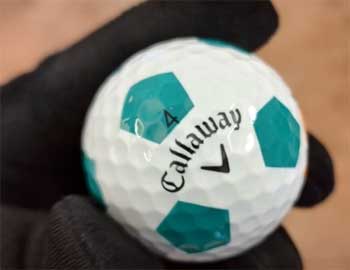
The Callaway Supersoft is the direct competitor for the moderate swing-speed market, and I have found it to be a much more pleasant experience.
While the Volvik is famous for its matte colors, the Supersoft prioritizes an incredibly low compression of around 38.
Analytically, this makes the Callaway feel like a marshmallow off the face, which is much more forgiving on your hands and wrists than the “rock-like” feel of the Vivid.
You will find that the Supersoft offers similar distance but with a much quieter, more refined sound that feels like a higher-quality product.
- Volvik Vivid Vs. Titleist Velocity
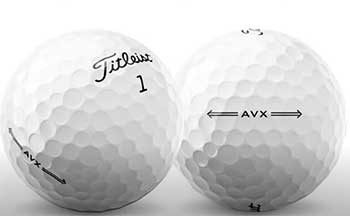
Titleist Velocity is the “distance king” for the brand, and it targets the same golfer who wants to hit it long and straight.
I have noticed that the Velocity has a much more traditional “sprint” off the clubface, and its glossy finish stays cleaner throughout a round.
The Volvik Vivid might win on visibility, but the Velocity wins on pure engineering and aerodynamic consistency.
If you are looking for a ball that helps you find an extra ten yards, the Velocity is the analytical choice over the aesthetic choice of the Volvik.
- Volvik Vivid Vs. Srixon Soft Feel
The Srixon Soft Feel is one of the best-selling value balls in the world, and for good reason. It offers a 60-compression core that strikes a perfect middle ground between the firmness of the Volvik and the mushiness of the Supersoft.
In my experience, the Srixon cover is much more “spin-friendly” on short chips than the matte Volvik cover.
You can usually find the Srixon for a significantly lower price, making it a better value for the golfer who loses a few balls every round.
- Volvik Vivid Vs. Bridgestone e6
Bridgestone e6 is designed with an anti-spin mantle layer that specifically targets the “slice” problem many amateurs face.
While the Volvik Vivid goes straight because of its low-spin profile, the Bridgestone e6 does it through sophisticated multi-layer construction.
I find that the e6 provides a much more consistent roll on the greens, as its surface friction is more predictable than the Volvik matte.
If you struggle with accuracy but still want a ball that feels like a “real” golf ball, the Bridgestone is a much better investment.
- Volvik Vivid Vs. TaylorMade Soft Response
TaylorMade’s Soft Response features a unique “Extended Flight Dimple Pattern” that helps keep the ball in the air longer for those with slower swing speeds.
I have found that this ball actually delivers more carry distance for seniors and ladies than the Volvik Vivid does.
The Urethane-style feel of the Soft Response (even though it’s an ionomer) is much softer and more “premium” than the plasticky sensation of the Volvik.
You should choose the TaylorMade if you want a technical advantage in your flight path rather than just a bright color.
Frequently Asked Questions (FAQs)
Analytically, they are great for visibility and straight distance for slow swingers, but they are lacking in feel and greenside spin compared to most modern alternatives.
Yes, Volvik has a presence on the LPGA Tour and was famously used by Bubba Watson for a period, though the pros typically use the urethane-covered S3 or S4 models rather than the matte Vivid.
The Volvik Vivid generally features an 80-compression core, making it a mid-range ball suited for swing speeds in the 70–90 mph range.
The Volvik S4 and Condor are considered the best for performance, as they feature urethane covers, while the Vivid remains the best-seller solely for its high-visibility matte finish.
Final Thoughts
In the end, your choice of equipment should be based on performance rather than a cool visual gimmick.
I have found that the Volvik Vivid creates too many compromises in the short game and feel to be a truly competitive golf ball.
You should buy the Volvik Vivid only if you are playing a very casual round where your only goal is not to lose your ball in the leaves.
I believe that for the price they charge, you can find much better options that will actually help you lower your scores and enjoy the “feel” of the game more.
You deserve a ball that works as hard as you do on the greens, and unfortunately, the Vivid just doesn’t make the cut.