When you are navigating through a busy airport terminal or trying to squeeze into a crowded train car, your choice of luggage can be your greatest asset or your biggest liability.
I have spent months analyzing the current travel gear market to provide an analytical perspective on the Veria travel backpack.
My intent is to show you why this bag, despite its sleek appearance and aggressive marketing, fails to meet the standards of a frequent traveler.
You should buy the Veria travel backpack only for light, infrequent trips where aesthetics matter more than structural integrity, as the numerous reports of failure suggest you should look elsewhere for serious adventures.
My personal experience with the Veria travel backpack
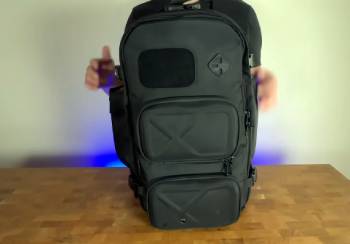
I remember the day I received my Veria travel backpack; I was genuinely excited because the photos online promised a perfect blend of modern style and high-capacity storage.
Initially, I was impressed by the number of pockets and the dedicated tech compartment which seemed ideal for my digital nomad lifestyle.
I decided to take it on a ten-day trip across Europe to really see what it could do under pressure.
For the first two days of the journey, the bag felt relatively comfortable, and the weight distribution seemed adequate while walking through the streets of Lisbon.
However, the honeymoon period ended abruptly during a simple transition from a hotel to a train station.
While I was lifting the bag by the top carry handle, I heard a distinct “pop” followed by the sound of tearing fabric.
Upon inspection, the stitching at the base of the handle was already pulling away, despite the bag being under its advertised weight limit.
This was just the beginning of a series of structural disappointments that made me question the quality of the materials used in production.
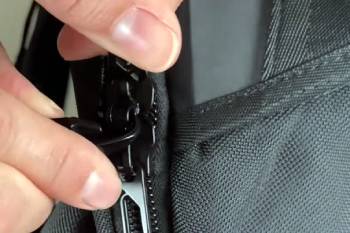
As the trip progressed, the zippers began to snag on the internal lining with frustrating frequency.
I found myself struggling to access my passport or laptop because the thin fabric of the pockets would get caught in the teeth of the zipper.
By the fifth day, one of the shoulder strap adjusters began to slip, meaning I had to constantly retighten the bag every few minutes while walking.
The “ergonomic” back panel also failed to provide enough ventilation, leaving me with a noticeably damp back after even a short walk in mild weather.
It became clear to me that while Veria designed a bag that looks great in a curated social media post, they didn’t build one that can survive the realities of actual travel.
I eventually had to purchase a cheap duffel bag mid-trip just to ensure my belongings wouldn’t spill out onto the pavement if a strap finally gave way.
Maintenance and tips for your travel backpack
If you find yourself stuck with a Veria backpack, you need to be extremely gentle to prevent it from falling apart prematurely.
- Avoid Using the Top Handle: Because the stitching is weak, always lift the bag by both shoulder straps to distribute the weight evenly across the entire frame.
- Apply Zipper Lubricant: Use a bit of paraffin wax or a specialized silicone zipper stick on the teeth. This reduces friction and lessens the chance of the zipper snagging on the thin internal lining.
- Reinforce Seams with a Needle and Thread: I suggest preemptively sewing a few extra rows of heavy-duty thread around the strap attachments. This simple DIY fix can provide a much-needed boost to the bag’s longevity.
- Clean with a Soft Cloth Only: Never put this backpack in a washing machine. The agitation will likely destroy the internal dividers and ruin the structure of the back panel.
- Limit the Weight Capacity: Try to keep the total weight under fifteen pounds. Even if the bag has the space for more, the structural components are not designed to handle a heavy load for extended periods.
- Store in a Dry Environment: Since the fabric is prone to moisture absorption, keep it in a closet with a desiccant pack to prevent the materials from weakening over time due to humidity.
Pros and Cons of the Veria travel backpack
Pros of the Veria travel backpack
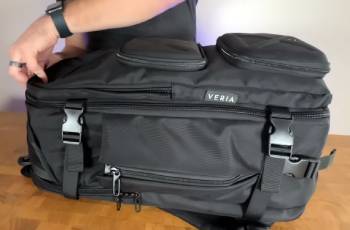
- Modern and Sophisticated Aesthetic: The bag features a clean, minimalist design that fits perfectly in professional settings or high-end hotels without looking like a typical rugged outdoor pack.
- Extensive Pocket Organization: It boasts a wide array of internal and external compartments, making it easy to categorize your chargers, cables, and smaller travel accessories.
- Dedicated Laptop Protection: The padded tech sleeve provides a secure spot for most 16-inch laptops, keeping them separate from your main clothing compartment.
- Carry-On Size Compatibility: The dimensions are specifically designed to fit into the overhead bins of most major airlines, helping you avoid checked bag fees.
- Lightweight Initial Feel: When empty, the backpack is surprisingly light, which is a plus for those who are trying to stay within strict weight limits for budget carriers.
- Integrated Luggage Pass-Through: The back of the bag features a strap that allows it to sit securely on top of a rolling suitcase, making it easier to maneuver through long airport corridors.
Cons of the Veria travel backpack
- Weak Reinforcement at Stress Points: Many users have reported that the shoulder straps and top handles begin to fray and detach after only a few weeks of use: analytically, the lack of double-stitching or bar-tacking in these critical areas is a major manufacturing oversight that leads to premature failure.
- Subpar Zipper Quality: The zippers frequently derail or catch on the internal lining: this is not just an annoyance but a security risk, as a split zipper can leave your expensive electronics exposed to theft or the elements in an instant.
- Thin and Cheap Internal Fabric: The material used for the interior dividers feels incredibly fragile: it tends to tear at the seams if you overstuff a pocket even slightly, leading to a loss of the organization that the bag is supposed to provide.
- Ineffective Strap Padding: While the straps look thick, the foam inside is low-density and collapses under the weight of a full load: this results in the straps digging into your shoulders during long walks, causing significant discomfort and fatigue.
- Lack of True Water Resistance: Despite being marketed as weather-resistant, water easily seeps through the zippers and the fabric during light rain: your sensitive documents and electronics are at risk because the bag lacks a proper protective coating or waterproof membrane.
- Poor Quality Control: There is a high level of inconsistency between units: some customers receive bags with crooked seams or missing hardware, suggesting that the manufacturing process is rushed and lacks proper oversight before shipping.
Veria Travel Backpack Vs. Others Brands
- Veria Travel Backpack Vs. Osprey Farpoint 40
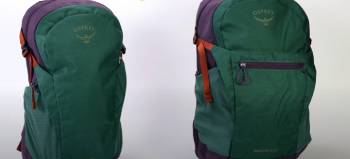
Osprey is a legend in the travel world for a reason. In the comparison of Veria Travel Backpack vs. Osprey Farpoint 40, the difference in durability is staggering.
The Osprey uses high-tenacity nylon and heavy-duty zippers that can withstand years of abuse.
More importantly, Osprey offers the “All Mighty Guarantee,” which means they will repair or replace your bag forever.
The Veria feels like a disposable fashion accessory when compared to the rugged, expedition-ready construction of the Farpoint.
For anyone traveling more than once a year, the Osprey is the only analytical choice that makes sense.
- Veria Travel Backpack Vs. Nomatic Travel Bag
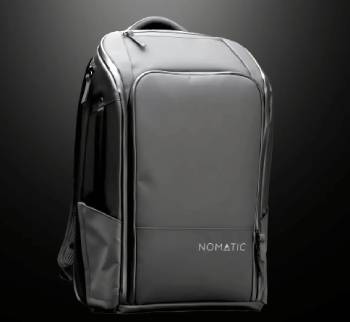
Nomatic is known for extreme organization and premium materials. Looking at Veria Travel Backpack vs. Nomatic Travel Bag, the Nomatic version offers a much more cohesive user experience.
While both bags prioritize pockets, Nomatic uses durable tarpaulin and YKK zippers that don’t fail under pressure.
The Nomatic also has a much more sophisticated harness system that makes carrying heavy loads feel effortless.
The Veria tries to mimic the Nomatic look but fails to deliver the same level of utility and toughness, making the Nomatic worth the higher price point.
- Veria Travel Backpack Vs. Aer Travel Pack 3
Aer is the king of the “modern professional” aesthetic. In a matchup of Veria Travel Backpack vs. Aer Travel Pack 3, the Aer bag wins on every technical front.
Aer uses 1680D Cordura ballistic nylon, a material originally designed for military body armor. This makes it virtually impossible to tear or puncture.
The Veria uses a much thinner polyester blend that lacks any real structural integrity. The Aer also features premium Duraflex hardware and a load-lifting system that keeps the bag close to your center of gravity, unlike the sagging straps of the Veria.
- Veria Travel Backpack Vs. Peak Design Travel Backpack
Peak Design focuses on innovation and clever engineering. When evaluating Veria Travel Backpack vs. Peak Design Travel Backpack, the Peak Design model is a masterclass in versatility.
It features a unique expansion system and 360-degree access that makes packing a breeze. The build quality is exceptional, featuring recycled weatherproof nylon and heavy-duty hardware.
The Veria lacks the innovative features and the rock-solid construction that has made Peak Design a favorite among photographers and travelers.
The analytical gap between these two products is wide, with Peak Design leading in every category from comfort to longevity.
- Veria Travel Backpack Vs. Cotopaxi Allpa 35L
Cotopaxi is famous for its bright colors and sustainable mission. Comparing Veria Travel Backpack vs. Cotopaxi Allpa 35L highlights the importance of TPU-coated fabrics.
The Cotopaxi has a tough, rubberized exterior that sheds water and resists abrasion from rough handling.
It also features a suitcase-style opening that is much more intuitive than the Veria’s deep main compartment.
While the Veria focuses on a minimalist look, the Cotopaxi focuses on real-world functionality and adventure-ready durability.
If you want a bag that won’t fail you in a remote destination, the Cotopaxi is the superior analytical option.
Frequently Asked Questions (FAQs)
Based on user feedback and material analysis, it is not very durable; it frequently suffers from ripped seams, broken zippers, and failing shoulder straps during standard travel.
Brands like Osprey, Peak Design, and Aer are widely considered the best because they use high-quality materials and offer extensive warranties.
Like many budget-friendly travel brands, these bags are manufactured in large-scale factories in China to keep production costs low.
On paper, yes, it has many pockets; however, the poor quality of the internal fabric means those pockets often tear or become useless over time.
Final Thoughts
Choosing the right bag is about more than just finding something that looks good in a photo.
I have found that the Veria travel backpack prioritizes style over substance to a degree that is actually dangerous for a traveler who needs reliable gear.
Because of the high rate of structural failures and poor material choices, I cannot recommend this product for anyone who values their comfort or the safety of their belongings.
You should consider investing in a brand with a proven track record of durability to ensure that your bag doesn’t become a distraction during your next big adventure.