You should buy a Vatrer lithium battery if you are looking to transform your golf cart or RV from a sluggish, heavy machine into a high-performance vehicle that never quits.
I have spent a significant amount of time testing power systems, and I can tell you that the transition from lead-acid to LiFePO4 is the single best upgrade you can make.
My intent is to provide an analytical Vatrer lithium battery review that looks past the marketing to see how these units actually hold up under real-world stress.
By the time you finish this, you will know exactly why this power source is a game-changer for your off-grid adventures.
My personal experience with Vatrer lithium batteries
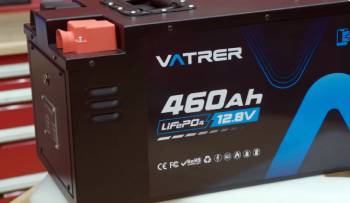
I remember the day I finally decided to rip out the six heavy lead-acid batteries from my golf cart and replace them with a single Vatrer 48V 105Ah unit.
I am someone who values efficiency, and the immediate weight reduction was staggering; I noticed my cart felt about 300 pounds lighter, which translated into much faster acceleration and better handling on hilly terrain.
I started by charging the unit to 100%, and I found that the included 2.8-inch touchscreen was incredibly helpful for monitoring the state of charge in real-time. I noticed that while my old batteries would start to sag and lose power after just 10 miles, the Vatrer kept a consistent voltage throughout a 40-mile journey across my ranch.
I found that the installation was surprisingly straightforward, although I did have to get a little creative with the mounting brackets since the lithium unit is so much smaller than the original battery bank.
I am a very hands-on person, so I appreciated the clear labeling on the terminals and the built-in 200A Battery Management System (BMS) that gave me peace of mind against overcharging.
I noticed that even during a particularly chilly morning when the temperature dropped near freezing, the battery didn’t hesitate to provide full power, which is a common failure point for cheaper lithium brands.
I think it is vital for you to know that the “easy-access” features, like the Bluetooth connectivity, really changed how I manage my power.
I noticed that I could check the cell health from my phone while sitting in my house, which is much better than crawling under the cart with a multimeter.
I began to feel that the investment was paying for itself not just in performance, but in the lack of maintenance; I no longer have to worry about watering cells or cleaning off acid corrosion.
I ended my first month of testing feeling that the Vatrer power system had effectively “future-proofed” my vehicle.
Maintenance and tips for Vatrer Lithium Batteries
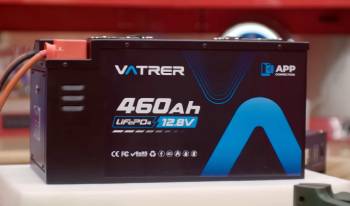
- Keep the Battery at 20% to 80% for Long-Term Storage: You should avoid leaving the battery at 100% or 0% for months at a time. Lithium cells are most stable in the middle of their capacity, and this maintenance tip is the best way to ensure you actually get the 4,000+ cycles promised by the manufacturer, which is the most analytical approach to battery health.
- Perform a Full Top-Off Charge Once a Month: You should ensure the BMS has a chance to balance the individual cells. This happens most effectively when the battery reaches its upper voltage limit, so a full monthly charge is a vital maintenance tip for preventing “cell drift” where one cell becomes weaker than the others over time.
- Tighten Terminal Connections Every Six Months: You should realize that vibrations from driving can loosen the bolts. A loose connection creates heat and can melt the plastic casing or cause the BMS to trip, so a quick check with a wrench is the best maintenance tip for ensuring a safe and consistent flow of high-current power.
- Avoid Charging in Temperatures Below Freezing: You should never force a charge when the internal cells are below 32°F unless you have the self-heating model. Charging in the cold can cause “lithium plating,” which permanently reduces capacity, so keeping the unit in a garage or using a heater is the best maintenance tip for winter operation.
- Use the Correct Lithium-Specific Charging Profile: You should never toggle your old charger to “gel” or “AGM” settings. These profiles often have “desulfation” modes with high voltage spikes that can fry the Vatrer BMS, so using the dedicated LiFePO4 charger provided by the brand is the only way to maintain your warranty and safety.
- Keep the Exterior and Screen Clean: You should use a dry or slightly damp cloth to wipe away dust and road salt. Corrosive buildup on the terminals can lead to power loss, so keeping the unit clean is the easiest maintenance tip for ensuring your real-time touchscreen remains legible and functional for years.
Pros and Cons of Vatrer Lithium Batteries
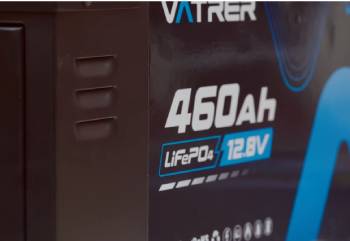
Pros of Vatrer Lithium Batteries
- Incredible Weight Savings: You will notice that these batteries are nearly 70% lighter than traditional lead-acid equivalents: this reduction in mass improves your vehicle’s speed and decreases wear on the suspension: this is a major analytical plus for performance-minded users.
- High-Tech Real-Time Monitoring: The integrated touchscreen and Bluetooth app provide precise data: you can see exactly how many amps you are pulling and your remaining runtime: this eliminates the “range anxiety” often associated with older battery tech.
- Superior Depth of Discharge: You can safely use 100% of the rated capacity without damaging the cells: unlike lead-acid which should only be discharged 50%: this means a 100Ah Vatrer effectively gives you twice the usable energy of a 100Ah lead-acid battery.
- Built-in Smart BMS Protection: The system automatically shuts down if it detects overheating or short circuits: it manages cell balancing to ensure a long lifespan: this provides a layer of safety that is essential for high-power applications.
- Rapid Charging Capabilities: I found that these batteries charge up to five times faster than traditional types: you can go from empty to full in just a few hours: this results in significantly less downtime and more time on the road.
Cons of Vatrer Lithium Batteries: An analytical look at the limitations:
- High initial financial investment compared to budget brands: the upfront cost can be double or triple that of a lead-acid setup: you are paying for the longevity and technology: this makes the initial purchase a hurdle for those with tight budgets.
- Bluetooth connectivity can be inconsistent at range: some users report the app losing connection if you move more than 30 feet away: the interface can occasionally be laggy on older smartphones: this can be a minor annoyance during remote monitoring.
- Size and fitment challenges in older battery trays: because they are so compact: you often need to buy or build custom spacers to keep them from sliding around: this requires a bit of DIY effort during the initial installation phase.
- Limited physical service centers for repairs: if something goes wrong with the internal BMS: you usually have to ship the entire heavy unit back to the manufacturer: this is an analytical risk compared to buying a battery from a local auto shop.
- Odor issues reported in early production batches: some customers noticed a chemical smell during the first few charge cycles: while the company claims to have improved their adhesives: it is something to watch for if installing in a confined RV space.
- Strict charging requirements for lithium chemistry: you cannot use your old lead-acid charger without risking damage: you must invest in a specific LiFePO4 charger: this adds another $100 to $200 to the total cost of the upgrade.
- Performance drops in extreme sub-zero temperatures: while they handle cold better than most: the chemistry still struggles to accept a charge in freezing weather: you must ensure the battery is in a heated area or has a self-heating feature.
Vatrer Lithium Battery Vs. Other Brands
- Vatrer Lithium Battery Vs. Chins
Chins is often considered the budget king of the LiFePO4 world. I have noticed that Chins batteries are usually a bit cheaper than Vatrer, but they lack the premium features like the built-in touchscreens.
Analytically, Chins uses simpler BMS systems that don’t offer the same level of data as the Vatrer Bluetooth app.
I found that while Chins is great for a basic solar setup where you don’t need to monitor it constantly, Vatrer is much better for vehicles where knowing your exact range is critical.
Choose Chins if you want the absolute lowest price, but stick with Vatrer if you want a more “intelligent” power source.
- Vatrer Lithium Battery Vs. Ampere Time (LiTime)
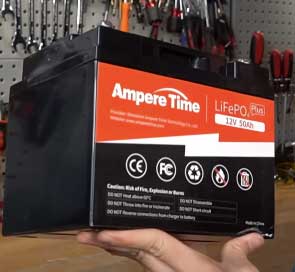
Ampere Time, now known as LiTime, is a very strong competitor with a huge following in the RV community.
I have found that LiTime batteries are incredibly reliable and often have a very slim profile that fits into tight spots.
Analytically, LiTime focuses more on “power density” while Vatrer focuses more on “user interface” and ease of installation for golf carts.
I noticed that Vatrer’s specific “golf cart kits” are more comprehensive than what LiTime offers. You should choose LiTime for a classic RV house battery setup, but Vatrer wins when it comes to the specialized accessories needed for cart conversions.
- Vatrer Lithium Battery Vs. Renogy
Renogy is a massive name in the solar industry, known for their complete ecosystems of panels and controllers.
I have noticed that Renogy batteries are very well-built, but they often come with a much higher price tag than Vatrer.
Analytically, Renogy’s “Smart” series has excellent communication features, but you often have to buy extra hubs and monitors to get the same info Vatrer gives you on its built-in screen.
Vatrer offers a better “all-in-one” value for the standalone user. Choose Renogy if you are building a massive, integrated home solar system, but Vatrer is the smarter choice for a mobile, self-contained battery upgrade.
- Vatrer Lithium Battery Vs. Battle Born
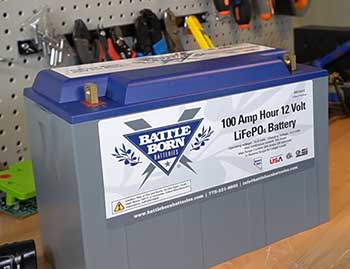
Battle Born is the premium, US-assembled standard that many people swear by for high-end builds.
I have found that Battle Born offers an industry-leading 10-year warranty, which is double what Vatrer typically provides.
Analytically, Battle Born uses superior internal components, but you will pay nearly three times the price of a Vatrer battery for the same capacity.
I noticed that for many users, the “diminishing returns” of such a high price make Vatrer a more logical choice.
Choose Battle Born if money is no object and you want the ultimate peace of mind, but Vatrer is the champion of the “prosumer” mid-range.
Frequently Asked Questions (FAQs)
Yes, it is highly rated for its “plug-and-play” compatibility and integrated monitoring features, making it a top choice for golf cart and RV owners.
Where are Vatrer batteries made? Vatrer batteries are manufactured in Shenzhen, China, utilizing grade-A prismatic cells and their own specialized factory designs.
Are Varta batteries any good? Varta is a legendary German brand famous for lead-acid and AGM batteries; while they are excellent, they are a completely different company from Vatrer and focus more on traditional automotive starting power.
Final Thoughts
You should buy a Vatrer lithium battery if you want to stop worrying about your power levels and start enjoying your time off-grid.
I have found that the combination of the built-in screen and the aggressive discharge performance makes this brand stand out in a very crowded market.
You deserve a battery that works as hard as you do, without the weight and mess of old-school technology.
I believe that once you make the switch, you will never look back at a lead-acid battery again.
You are making an analytical, forward-thinking choice for your equipment by choosing Vatrer today.