When you are searching for a reliable witness for your daily commute, you likely want a device that works without constant babysitting.
Vantrue has built a reputation on high-resolution multi-channel cameras that promise 360-degree security.
However, after looking at the mounting piles of user complaints regarding heat issues and app failures, I have to be honest with you.
While the specs look great on paper, the real-world performance often leaves drivers stranded. In this review, I will explain why you might want to reconsider this brand despite its flashy marketing.
I want you to buy a product that actually offers peace of mind, not a technical headache.
My Experience: A Frustrating Road Trip with Vantrue
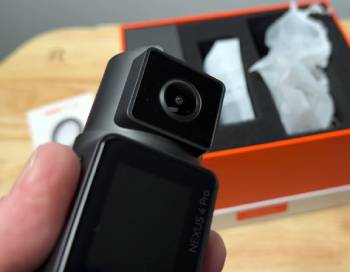
I spent several weeks testing one of Vantrue’s top-tier triple-channel models, and I really wanted to love it.
Initially, I was impressed by the weight of the unit and the clarity of the lens optics.
I mounted it in my SUV, expecting seamless protection, but the honeymoon phase ended within the first hour of a summer drive.
The device became scorching hot to the touch, almost to the point where I feared for the adhesive mount.
I noticed the screen started flickering, and the recording would occasionally skip frames during crucial moments.
When I tried to pull over and download a specific clip to my phone using their 5G Wi-Fi, the connection failed three times.
It felt like I was fighting the device rather than it serving me. I also found that the voice control was incredibly picky; I had to shout the commands multiple times before it would lock a video.
By the time I reached my destination, the GPS data hadn’t synced correctly, showing me driving through a field when I was clearly on the interstate.
If you are someone who expects a “set it and forget it” experience, my time with this camera suggests you will be disappointed.
I spent more time troubleshooting the app and restarting the unit than I did actually enjoying the drive.
It is frustrating to pay a premium price for a piece of hardware that feels like a beta prototype.
For me, a dash cam should be an invisible guardian, but this one made its presence known through constant glitches and thermal warnings.
Maintenance Tips for Dash Cam Longevity
Maintaining a dash cam requires more than just sticking it to the glass and driving. If you decide to stick with a Vantrue unit despite the risks, you need to follow a strict maintenance schedule.
First, you must format your microSD card at least once every three weeks: this prevents file corruption and ensures the loop recording function doesn’t get stuck on a “locked” file.
Second, always use a High Endurance card: standard SD cards cannot handle the constant write cycles of a 4K dash cam and will fail within months.
Third, keep the firmware updated: Vantrue releases frequent patches to try and fix their buggy software, so you should check their website once a month.
Fourth, manage the heat: if you park in the sun, you should take the camera down and put it in the glove box to prevent the internal circuits from baking.
Fifth, clean the lens: a simple fingerprint can ruin the clarity of a 4K image, so use a microfiber cloth to wipe the front and rear lenses weekly.
Sixth, check your power connection: ensure the cigarette lighter adapter hasn’t wiggled loose, as a partial connection can cause the device to turn off and on repeatedly.
Seventh, verify the GPS lock: before a long trip, check the screen to see if the satellite icon is active to avoid having footage without location data.
Eighth, listen for the start-up chime: many users don’t realize their camera has failed until they need it, so always listen for the “recording started” prompt when you turn the key.
Ninth, test the Wi-Fi at home: don’t wait for an accident to find out that your phone and camera won’t talk to each other.
Pros and Cons of Vantrue Dash Cams

When you look at the feature list, Vantrue seems to offer everything a modern driver needs. However, the implementation of these features is where the “Cons” start to outweigh the “Pros.”
Pros:
- The video resolution is genuinely high-end, offering 4K or 2.7K clarity that makes reading license plates easy during the day.
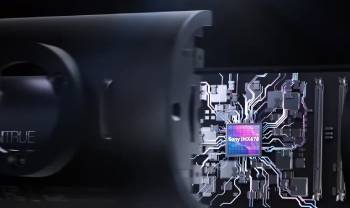
- I appreciate the use of Sony Starvis sensors which provide decent night vision in well-lit urban areas.
- The multi-channel support (front, rear, and cabin) is excellent for rideshare drivers who need to document passenger behavior.
- Lastly, the physical build of the camera bodies feels sturdy and professional compared to some cheap plastic alternatives.
Cons:
- Thermal management is a massive failure here: the units tend to overheat within minutes of operation in warm climates, which causes the system to reboot or stop recording altogether.
- Software instability is the second major hurdle: the mobile app frequently crashes during video playback, making it nearly impossible to show footage to an officer or insurance agent on the side of the road.
- GPS sync issues: users often report that the speed and location data on the video stamps are inaccurate or lag behind the actual vehicle movement.
- Voice control inconsistency: the microphone often fails to recognize basic commands like “lock the video” unless the cabin is perfectly silent.
- Connectivity lag: the 5G Wi-Fi is often “hit or miss,” sometimes taking several minutes just to establish a stable link with your smartphone.
- Cable limitations: the provided rear camera cables are frequently too short for larger trucks or vans, forcing you to buy expensive extensions.
- Low-quality mounts: the suction cups are known to lose their grip and fall off the windshield when exposed to direct sunlight for more than a few hours.
Vantrue Vs. Others: The Competition
- Vantrue Vs. Viofo
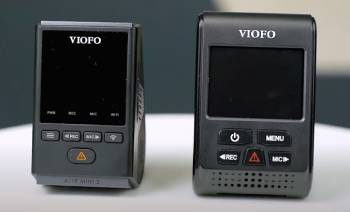
Viofo is the most direct competitor, and in my opinion, they handle the heat much better. While Vantrue focuses on flashy screens and voice controls, Viofo prioritizes stability and image quality.
Viofo units use supercapacitors that are much more resilient in the summer heat than Vantrue’s internal components.
I found the Viofo app to be significantly more stable, allowing for faster downloads without the constant crashing I experienced with Vantrue.
If you want a reliable triple-channel setup that won’t fail when the sun comes out, Viofo is usually the smarter pick for your wallet.
- Vantrue Vs. Garmin
Garmin is the king of “small and stealthy.” Unlike the bulky Vantrue models, Garmin dash cams are tiny and hide easily behind your rearview mirror.
You don’t get as many channels—usually just one or two—but the software is light-years ahead. The Garmin Drive app is polished and actually works every time you open it.
Garmin also includes helpful features like lane departure warnings and “Go” alerts. While you sacrifice some of the raw 4K resolution found in Vantrue, you gain a level of reliability that a major tech giant provides.
- Vantrue Vs. Nextbase
Nextbase offers a unique modular system where you can plug in different secondary cameras.
Their “Click&Go” magnetic mount is the best in the industry, making it much easier to remove the camera than Vantrue’s clunky mounts.
I also found that Nextbase handles Emergency SOS features much better, potentially calling for help if you are unresponsive.
Nextbase screens are high-quality touchscreens, which I found much easier to navigate than the tiny buttons on most Vantrue units.
If you are looking for a premium European feel with a focus on safety, Nextbase is a superior alternative.
- Vantrue Vs. Thinkware
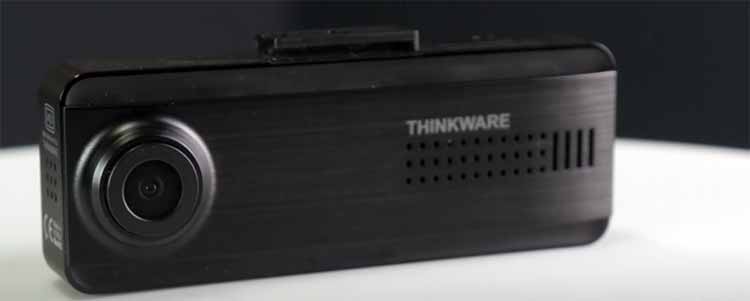
Thinkware is the premium choice for parking mode enthusiasts. While Vantrue has a parking mode, it often drains the car battery or fails to trigger correctly.
Thinkware uses advanced energy-saving technology that allows the camera to monitor your car for days without killing the battery.
Their cloud features are also much more robust, allowing you to check on your vehicle remotely.
Vantrue doesn’t offer a reliable cloud service, making it a “local only” device. For those who park on busy city streets, the extra investment in a Thinkware system is almost always worth the peace of mind.
- Vantrue Vs. Rexing
Rexing is a great budget alternative that mimics the “wedge” design for low visibility. While Vantrue targets the high-end enthusiast, Rexing serves the everyday driver who wants basic 4K protection.
I have found that Rexing units are often more “forgiving” with different types of SD cards.
The video quality isn’t quite as sharp as Vantrue’s Sony sensors, but it is more than enough for insurance claims.
Rexing also has a very active support community in the US. If you want 4K video without the $300 price tag or the overheating headaches, Rexing is a solid contender.
Frequently Asked Questions (FAQ)
Yes, Vantrue is a brand owned by Shenzhen Onething Technology, which is based in China.
Currently, the Viofo A229 Pro or the Garmin Dash Cam series are most recommended due to their superior stability and heat resistance.
It can only record when the car is off if you use a dedicated hardwire kit to provide constant power from the battery.
No, Vantrue does not currently require a monthly subscription to use the basic recording features or the mobile app.
Final Thoughts
In my final analysis, I cannot recommend that you buy a Vantrue dash cam if you live in a warm climate or value software stability.
While you might be tempted by the 4K resolution and the multi-camera setups, the reality of the user experience is far too frustrating.
You deserve a device that records every single second of your drive without you having to worry about it rebooting or failing to connect to your phone.
I have seen too many reports of people losing crucial accident footage because the SD card errored out or the unit overheated.