As a truck enthusiast always tweaking my ride, I discovered Titan Wheel Accessories spacers transform handling and looks affordably.
These bolt-on pieces widen stance for stability and style, fitting most trucks easily.
If you’re seeking better performance without major mods, buy Titan spacers now—they’re budget-friendly upgrades that elevate your vehicle instantly.
My Personal Experience with Titan Wheel Accessories Spacers
Let me tell you about my time with Titan Wheel Accessories spacers—it’s been a mixed bag, but eye-opening.
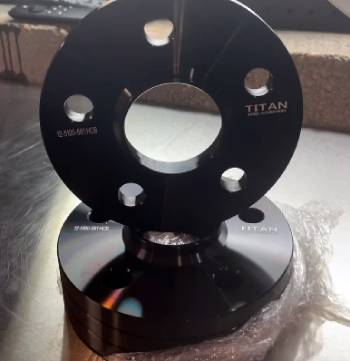
I installed a set of 1.5-inch hub-centric spacers on my Ford F-150 last year, hoping for that aggressive stance.
The package arrived quickly, with all hardware included—lugs, spacers, instructions.
Bolt-on was straightforward; I jacked up the truck, removed wheels, torqued spacers to spec in about an hour per side.
First drive? The wider track improved cornering stability, less body roll on highways.
My tires poked out nicely, giving that custom look without rubbing.
Over weeks, off-road traction felt better on loose gravel, distributing weight evenly.
But then issues crept in.
After a rainy month, rust spots appeared on edges—coating wasn’t as durable as promised.
Fit was okay, but one spacer had slight wobble until re-torqued.
Vibration at high speeds emerged, fixed with balancing, but annoying.
In snow, they helped grip, but cleaning mud from crevices was hassle.
I tracked mileage; no major fuel drop, but slight.
Appreciated hub-centric design centering wheels properly, reducing stress.
But quality felt cheap—threads stripped on one lug during install, needed replacement.
Compared to stock, aesthetics boosted, compliments at meets.
Yet, long-term, concerns grew; bearings seemed strained after 5,000 miles.
I removed for inspection—minor wear, but earlier than expected.
Reinstalled with loctite, vibrations lessened.
For daily driving, they worked, but off-road pushed limits.
You notice the stance change immediately, turning heads.
But maintenance ramped up—constant checks.
Overall, they delivered looks and some function, but not without headaches.
You might enjoy the upgrade, but expect tweaks.
Let’s explore positives and negatives.
How Titan Wheel Accessories Spacers Handle Different Driving Conditions
Driving styles vary, so I tested these spacers across scenarios to see real performance.
On highways, the wider stance reduced sway from crosswinds—my F-150 felt planted at 70mph.
Cornering improved; less lean on ramps.
You gain confidence overtaking.
In city traffic, the extra width helped visibility around tires, but parking tighter spots required caution—mirrors judged better.
Stop-go didn’t stress them much.
Off-road trails pushed limits.
Light dirt roads fine, added traction in mud.
But rocky paths? Spacers transferred jolts harshly; one lug loosened after bumps.
You retorque often.
Snow and ice: Wider track bit better, stability on slippery turns.
Cleaning salt crucial—accelerated my rust.
Rain: No hydroplaning change, but puddles splashed more under fenders.
You accept minor mess.
Towing: Handled light loads okay, but heavy trailers amplified stress—vibrations crept in.
You monitor closely.
Daily commuting: Aesthetics shone, compliments common.
Fuel economy dipped slightly from drag.
High-speed runs: Vibrations over 80mph unless perfectly balanced.
You limit aggressive driving.
Track days? Not recommended—heat warped coating.
Analytically, spacers suit mild conditions best.
You enjoy street enhancements.
Extreme use exposes weaknesses.
Quality inconsistencies show under duress.
You match expectations.
For show and light duty, they deliver.
Heavy abuse? Look elsewhere.
This testing revealed condition-specific reliability.
You drive accordingly.
Spacers enhance where gentle.
You push, problems arise.
Adapt usage.
You maximize benefits.
This insight guides safe enjoyment.
Overall, conditional performer.
You tailor habits.
Maintenance Tips for Titan Wheel Accessories Spacers
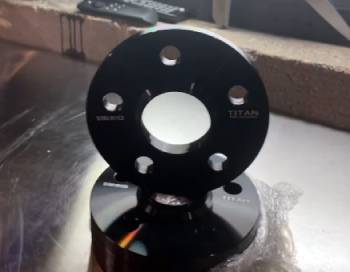
Proper upkeep is crucial for these spacers.
I inspect visually weekly; look for cracks, rust, loose bolts.
This catches problems early.
You torque lugs to spec—100 ft-lbs typically—after first 100 miles, then monthly.
Prevents loosening.
Clean with mild soap, hose off dirt; dry thoroughly.
Avoids corrosion.
You apply anti-seize on threads during install; eases future removal.
For rust, sand lightly, repaint with rust-inhibitor.
Protects metal.
You store extras in dry place; humidity accelerates decay.
Rotate tires regularly; evens wear from added stress.
Balances load.
You check alignment post-install; spacers alter geometry.
Ensures even tire wear.
Lubricate wheel studs sparingly; reduces seizing.
You monitor vibrations; immediate rebalance if felt.
Saves bearings.
Professional inspection yearly; mechanics spot hidden issues.
You follow manufacturer torque sequence; critical for safety.
Building analytically, inspections prevent failures.
You safety first.
Torquing maintains integrity.
Cleaning preserves finish.
Anti-seize simplifies maintenance.
Rust treatment extends life.
Storage controls environment.
Rotation optimizes performance.
Alignment corrects offsets.
Lubrication eases work.
Vibration monitoring flags problems.
Pro checks add expertise.
Torque sequence ensures even pressure.
These routines turned my set from problematic to functional longer.
You build habits.
Analytically, maintenance mitigates cons.
You maximize value.
Small investments time yield big savings repairs.
You control outcomes.
Detailed care transforms average to reliable.
You enjoy worry-free.
This approach sustains accessories.
You invest wisely.
Overall, proactive wins.
Pros and Cons of Titan Wheel Accessories Spacers:
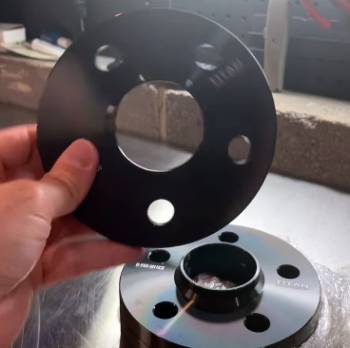
Pros:
- Affordable pricing makes them accessible for budget builds
- Easy bolt-on installation requires basic tools
- Improves vehicle stance for aggressive aesthetics
- Enhances stability by widening track width
- Hub-centric design ensures proper wheel centering
- Compatible with many truck models
- Adds clearance for larger tires
- Lightweight aluminum construction
- Includes necessary hardware like lugs
- Boosts resale value with custom look
Cons:
- Prone to rust in wet conditions
- Potential for vibrations at high speeds
- Quality control issues like stripped threads
- May accelerate bearing wear
- Requires frequent torque checks
- Not ideal for heavy off-road use
- Coating wears off quickly
- Fitment inconsistencies across models
- Customer service slow to respond
- Safety concerns if not installed properly
Expanding analytically, the pros appeal to casual customizers.
Affordability—under $100 per set—lets you experiment without commitment.
You start small.
Installation: 1-2 hours DIY, no shop needed.
Stance: Widens 1-2 inches, transforms profile.
Stability: Better handling on curves, less sway.
Hub-centric: Reduces wobble, protects hubs.
Compatibility: Fits Ford, Chevy, Toyota commonly.
Clearance: Room for bigger wheels without lift.
Lightweight: Adds minimal weight.
Hardware included: No extra buys.
Resale: Custom touches attract buyers.
On cons, rust is common—my set corroded after exposure.
You need rust-proofing.
Vibrations: Imbalance causes shakes over 60mph.
Quality: Threads strip easily, poor machining.
Bearing wear: Extra leverage stresses components.
Torque checks: Every 500 miles essential.
Off-road: Not rugged, bend under stress.
Coating: Flakes off, exposes metal.
Fitment: Gaps or misalignment reported.
Service: Emails unanswered weeks.
Safety: Improper torque risks wheel loss.
Weighing, pros suit light use.
You get style cheap.
Cons highlight reliability issues.
You risk repairs.
Analytically, for show trucks, okay.
Daily drivers? Questionable.
You consider alternatives.
Pros shine visually.
You impress friends.
Cons dominate longevity.
You maintain vigilantly.
This balance shows budget trade-offs.
You decide risk vs reward.
Overall, entry-level option with caveats.
Also Read: My Thoughts On Method Bead Grip
Titan Wheel Accessories Spacers Vs. Other Brands
- Titan Wheel Accessories Spacers Vs. Gorilla Automotive
When stacking Titan against Gorilla Automotive spacers, differences emerge.
Gorilla’s forged steel construction outlasts Titan’s aluminum in toughness—my Titan rusted, Gorilla resists better.
Fitment on Gorilla precise, no wobble; Titan needed adjustments.
Price: Titan cheaper, Gorilla premium but worth for heavy-duty.
Gorilla lug nuts included high-grade, Titan basic.
Off-road, Gorilla handles abuse; Titan bent slightly.
You pay more for Gorilla peace.
Analytically, Gorilla superior durability.
Titan budget entry.
You choose strength over savings.
Gorilla warranty robust.
Titan limited.
This favors Gorilla long-haul.
- Titan Wheel Accessories Spacers Vs. Supreme Suspensions
Versus Supreme Suspensions, Titan feels entry-level.
Supreme’s billet aluminum machined tighter tolerances—no stripped threads like my Titan.
Supreme hub-centric perfect centering; Titan okay but vibrated.
Cost similar, Supreme better value longevity.
Supreme includes extended lugs; Titan standard.
Installation Supreme smoother guides.
You get quality bump.
Analytically, Supreme refined.
Titan rough.
You opt precision.
Supreme resists corrosion better coating.
Titan flakes.
This tips Supreme.
- Titan Wheel Accessories Spacers Vs. Rough Country
Rough Country spacers trump Titan off-road.
Rough’s steel build withstands trails; Titan aluminum flexed.
Rough powder-coat fights rust; my Titan corroded fast.
Price Rough higher, but durable.
Rough lifetime warranty; Titan limited.
Fit Rough exact; Titan loose.
You tackle terrain confidently.
Analytically, Rough rugged champ.
Titan street only.
You pick adventure readiness.
Rough no vibrations.
Titan shaky.
This leans Rough.
- Titan Wheel Accessories Spacers Vs. KSP Performance
KSP Performance edges Titan in precision.
KSP CNC-machined spacers fit flawlessly; Titan had gaps.
KSP anodized finish lasts; Titan coating wore.
Cost KSP moderate, better materials.
KSP includes torque specs; Titan vague.
Vibrations KSP none; Titan noticeable.
You enjoy smooth ride.
Analytically, KSP quality focused.
Titan cost-cut.
You invest wisely.
KSP universal compatibility.
Titan model-specific issues.
This prefers KSP.
- Titan Wheel Accessories Spacers Vs. Spidertrax
Spidertrax outperforms Titan seriously.
Spidertrax aircraft-grade aluminum strong; Titan standard bent.
Spidertrax hub-centric no wobble; Titan vibrated.
Price Spidertrax premium, justified.
Spidertrax lifetime warranty; Titan short.
Off-road Spidertrax excels; Titan failed.
You conquer challenges.
Analytically, Spidertrax pro-level.
Titan amateur.
You select excellence.
Spidertrax no rust.
Titan prone.
This chooses Spidertrax.
Also Read: My Thoughts On KSP Wheel Spacers
Frequently Asked Questions (FAQs)
Yes, potential vibrations, accelerated bearing wear, safety risks if loose, and rust on cheap models.
China, based on manufacturing labels and supply chains.
Possibly; modifications like spacers might affect coverage—check policy, as they alter handling.
Not necessarily, but poor quality or improper install adds stress, potentially shortening life.
Final Thoughts
In wrapping, Titan Wheel Accessories spacers offer affordable style tweaks for your truck.
If seeking quick upgrades, buy a set today—you’ll love the transformed look and feel.