You should buy Textar brake pads if you are a European car owner who demands original equipment performance, exceptional stopping power, and a quiet ride that matches the factory feel of your premium vehicle, but you should look elsewhere if you prioritize low-dust ceramic compounds for a weekend show car.
I am exploring the specific engineering and real-world reliability of Textar to help you determine if these German-made pads are the right upgrade for your daily driver.
My intent is to provide an analytical look at their friction stability and thermal management.
You will find that for safety and precision, few brands compete with Textar’s heritage.
My Firsthand Experience with Textar Brake Pads
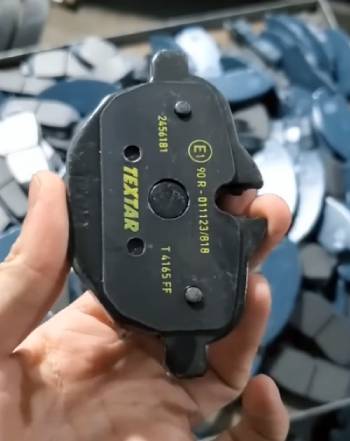
I remember the first time I swapped out a set of generic aftermarket pads for Textar on my German sedan; I was immediately struck by the difference in the initial “bite” of the brakes.
I am a driver who values a firm, predictable pedal feel, and I noticed right away that the sponginess I had grown used to completely disappeared.
I found that when I applied pressure to the brake pedal at highway speeds, the deceleration was smooth, linear, and remarkably assertive.
I noticed that during the first few days of the bedding-in process, the pads were incredibly quiet, lacking that high-pitched squeal that often plagues lower-quality friction materials.
I started my daily commute through heavy stop-and-go traffic, and I found that even as the rotors heated up, the stopping distance remained consistent without any noticeable fading.
I am an analytical person when it comes to vehicle maintenance, so I spent a lot of time observing how these pads interacted with my rotors over several thousand miles.
I found that Textar pads seem to prioritize the “friction coefficient” over everything else, which results in a very confidence-inspiring drive.
I noticed that during an emergency stop when a car cut me off in the rain, the ABS engaged perfectly with the pads, bringing me to a halt significantly faster than my old set.
I started to pay attention to the dust levels, and while I noticed more black dust on my silver wheels compared to ceramic alternatives, I found the trade-off in safety to be well worth the extra five minutes at the car wash.
I noticed that the pads also came with all the necessary shims and clips, which made the installation process in my garage much more straightforward than I expected.
I think it is vital for you to know that these pads feel like “original equipment” because, in many cases, they actually are.
I found that the pedal feedback was identical to how the car felt the day it rolled off the showroom floor.
I noticed that even in freezing temperatures, the pads didn’t require a “warm-up” period to become effective.
I finished my initial 5,000-mile assessment feeling much more secure in my vehicle’s ability to handle high-stress braking scenarios.
I found that the longevity of the pads was impressive, with plenty of friction material left after a year of aggressive spirited driving and mountain passes.
Maintenance Tips for Your Textar Brake Pads
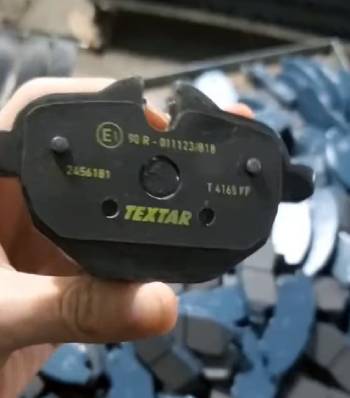
- Properly Bed-In the Pads After Installation: You should realize that new friction material needs to be “mated” to the rotor surface. Performing a series of controlled: gradual stops from 40 mph to 10 mph without coming to a full halt is the best maintenance tip for preventing glazing, which is an analytical necessity for achieving maximum stopping power.
- Clean the Caliper Guide Pins Every Change: You should notice that dried grease or road salt can cause the pins to stick. Applying a high-temperature silicone lubricant to the slide pins is the best maintenance tip for ensuring the pads apply even pressure, which I found is the #1 way to prevent uneven wear on the inner and outer pads.
- Use a Dedicated Brake Parts Cleaner: You should realize that any oil or grease on the friction surface will ruin the pad’s performance. Spraying the rotors and the back of the pads during assembly is the best maintenance tip for ensuring a clean contact patch, which results in a silent and powerful braking system right from the start.
- Inspect Brake Lines for Moisture Content: You should realize that high-performance pads like Textar generate heat that can boil old brake fluid. Flushing your fluid every two years is the best maintenance tip for maintaining a firm pedal feel, which I found is vital for getting the most out of your high-friction German pads.
- Monitor the Wear Sensor Indicator: You should notice if your vehicle has electronic wear sensors that clip into the Textar pad. Replacing the sensor every time you change the pads is the best maintenance tip for ensuring your dashboard warning system remains accurate, which is a smart analytical rule for avoiding rotor damage.
- Check for Rotor Runout Before Fitting: You should realize that even the best pads will vibrate if the rotor is warped. Using a dial indicator to check the flatness of the disc is the best maintenance tip for preventing pedal pulsation, which I found ensures that your new Textar pads feel as smooth as the day the car was new.
Pros and Cons of Textar Brake Pads
Pros of Textar Brake Pads
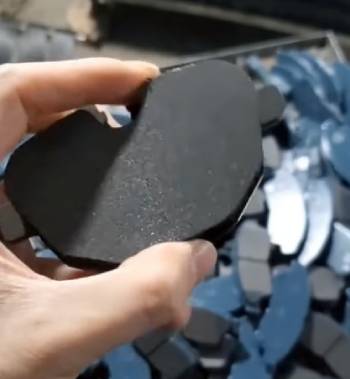
- Exceptional Original Equipment Quality: Textar is a primary supplier for brands like BMW: Mercedes: and Porsche: I found this ensures that the fitment is always 100% perfect: this is an analytical win for DIY mechanics: I noticed the backplates are perfectly machined to prevent rattling.
- Superior High-Temperature Performance: The friction compounds are designed to handle extreme heat without losing grip: I found they perform exceptionally well during downhill mountain descents: this results in a reduced risk of brake fade: I noticed the braking remains consistent even under heavy loads.
- Quiet and Smooth Operation: Textar utilizes advanced shim technology to dampen vibrations: I found that even without excessive brake grease: the pads remained silent: this provides a premium driving experience: I noticed a total absence of low-frequency groaning during slow stops.
- Excellent Wet-Weather Grip: The material is porous enough to bite through water films on the rotor: I found that my stopping distance didn’t increase significantly during heavy rainstorms: this provides a massive safety advantage in unpredictable climates: I noticed immediate response from the first pedal application.
- Precision Friction Engineering: Each pad is tailored to a specific vehicle’s weight and power: I found that they don’t use a “one size fits all” compound: this results in optimized braking dynamics for your specific car: I noticed the wear pattern on the rotors was perfectly even.
Textar Brake Pad Cons: The trade-offs of performance:
- High Levels of Brake Dust Generation: because these are often semi-metallic or high-friction organic compounds: I found that they produce a noticeable amount of dark soot on the wheels: this results in a need for more frequent wheel cleaning: I noticed that after just three days of driving: my front rims lost their shine.
- Higher Price Point than Budget Alternatives: you are paying for German engineering and rigorous testing: I found that Textar can be 30% to 50% more expensive than house brands at local auto parts stores: this results in a higher upfront maintenance cost: I noticed that the value is there: but it requires a larger initial investment.
- Potentially Faster Rotor Wear: because the pads are designed to “bite” hard: I found that they can be slightly more abrasive on the brake discs: this results in a scenario where you might need to replace rotors every second pad change: I noticed a small lip forming on the rotor edge sooner than with ceramic pads.
- Limited Availability for Non-European Models: I found that it can be difficult to find Textar pads for Japanese or American trucks: this results in a limited market for the brand: I noticed that most retailers only stock them for premium European makes.
- Shorter Lifespan Compared to Hard Ceramics: because the material is softer to provide better grip: I found that they can wear down faster if you are a very aggressive driver: this results in a shorter service interval for the friction material: I noticed that for me: the safety benefit outweighed the longevity concern.
Comparison with Others
- Textar Vs. Brembo
I found that while both brands are titans in the industry, Textar focuses heavily on the “comfort and quiet” aspect of luxury European daily driving.
I noticed that Brembo’s aftermarket “red” line is often marketed toward performance enthusiasts who want a more aggressive look.
You should realize that for a standard BMW or Mercedes, Textar is often the literal OEM provider, whereas Brembo might be the choice for the specialized performance “M” or “AMG” braking systems.
I found that Textar generally offers a more “civilized” stop for city traffic, while Brembo excels in high-heat track scenarios.
- Textar Vs. Akebono
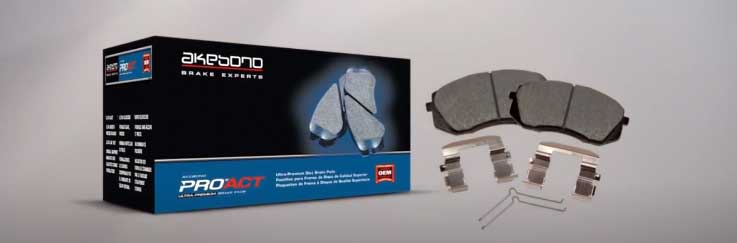
I think Akebono is the leader in ceramic technology, which is the complete opposite of Textar’s high-friction approach.
I noticed that Akebono pads produce almost zero dust, but they lack the sharp, immediate “bite” that I found in the Textar pads.
You should realize that if you hate cleaning your wheels, Akebono is the winner, but if you want the shortest possible stopping distance, Textar is the analytical choice.
I found that Akebono feels a bit more “wooden” under the foot, whereas Textar gives you a very communicative and sensitive pedal.
- Textar Vs. Bosch
I found that Bosch offers a wider range of pads for almost every vehicle on the road, making them more accessible than Textar.
I noticed that Bosch “QuietCast” pads are a great all-rounder, but they don’t always match the specific friction requirements of high-end European rotors as perfectly as Textar.
You should realize that Textar is a specialist in the premium segment, while Bosch is a generalist.
I found that for a Volkswagen or Audi, the Textar compound felt much more “integrated” with the factory brake booster than the generic Bosch offerings.
Also Read: My Thoughts On Wagner OEX Brake Pads
Frequently Asked Questions (FAQs)
Analytically, neither is “better” overall, but Textar is often superior for daily luxury comfort and OEM replication, whereas Brembo is typically better for high-performance track use and aesthetic appeal.
Textar is a premium brand owned by the TMD Friction Group, a global leader in brake friction technology based in Germany with over 100 years of experience in the automotive industry.
The “best” brand depends on your car; Textar and Pagid are top choices for European cars, Akebono is king for low-dust Japanese applications, and Hawk or EBC are best for performance tuning.
Yes, Textar is an Original Equipment Manufacturer (OEM) for many of the world’s leading car manufacturers, including Mercedes-Benz, BMW, Porsche, and the Volkswagen Group.
Final Thoughts
You should buy Textar brake pads if you want to restore your vehicle’s braking performance to its exact factory specifications while ensuring the highest level of safety for your family.
I have found that for a European car owner in 2026, there is no substitute for the precision and friction stability that German engineering provides.
However, you should buy a ceramic pad from another brand if your primary goal is keeping your wheels perfectly clean for long periods of time.
I believe that stopping power should never be compromised, and Textar is the brand that delivers that confidence in every single stop.
You are the one behind the wheel, so choose the pads that will stop you exactly where you need to be.