You should buy a Teton Sports backpack if you are a beginner hiker or a budget-conscious scout looking for a durable, entry-level internal frame pack that includes a rain cover and adjustable torso settings, but you should look elsewhere if you are a thru-hiker who needs an ultralight, high-performance bag with premium mesh ventilation.
I am exploring the Teton Sports Scout and Explorer series to help you understand if these affordable “Amazon favorites” can actually handle the rigors of the backcountry.
My intent is to provide an analytical breakdown of how Teton balances cost with comfort.
You will find that for weekend trips, this brand offers the best entry point into the world of backpacking.
My Experience with Teton Sports Backpacks
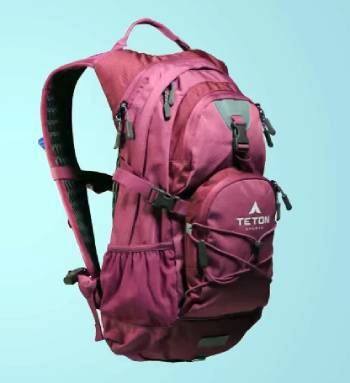
I remember the first time I hauled a Teton Sports Scout 3400 into the wilderness for a three-day weekend; I was immediately struck by how much gear I could actually fit into the 55-liter frame without it feeling like it was going to burst at the seams.
I am someone who used to borrow high-end Osprey packs from friends, so I was incredibly curious to see if a bag that costs a third of the price could actually hold its own on a steep incline.
I noticed that the padding on the lumbar support was surprisingly thick, though it felt a bit stiffer than the “cloud-like” foam you find on premium brands.
I started my hike in the high desert, and I found that the integrated rain cover—which is tucked into a hidden bottom pocket—was a absolute lifesaver when a random afternoon storm rolled in.
I found that the real test for any budget backpack is how it feels after the fifth mile of a steady climb.
I am an analytical hiker, so I spent a lot of time adjusting the torso length using the sliding harness system, which I found to be remarkably user-friendly for a pack at this price point.
I noticed that while the shoulder straps are quite wide—almost four inches in some spots—they did a decent job of distributing the weight of my 25-pound load.
I found that the gear ties and compression straps allowed me to lash my sleeping pad and trekking poles to the outside with zero “sway” or bounce.
I think it is vital for you to know that the fabric is a heavy-duty 600D ripstop, which I scraped against several granite boulders with nothing more than a cosmetic scuff to show for it.
I began to realize that the “Teton experience” is all about getting the job done without any unnecessary frills.
I found that the side mesh pockets were perfect for my 32-ounce water bottles, though I noticed the mesh isn’t as stretchy as the high-end spandex used by competitors.
I noticed that the zippers, while not the world-famous YKK brand, felt sturdy and didn’t snag even when I was trying to force my bulky synthetic sleeping bag into the bottom compartment.
I finished my trip feeling that while I wasn’t carrying a “luxury” item, I was carrying a reliable tool that didn’t leave me with the shoulder fatigue I expected from a “budget” bag.
Maintenance Tips for Your Teton Sports Backpack
- Always Air Dry Your Pack After a Rainy Trip: You should realize that mold and mildew can ruin the interior coating of your bag within days if left damp. Hanging it upside down with all pockets open is the best maintenance tip for ensuring every corner dries out, which is an analytical necessity for preventing that “old tent” smell.
- Clean Zippers with a Soft Toothbrush and Water: You should notice if your zippers start to feel “gritty” after a desert hike. Scrubbing the teeth to remove fine sand and dust is the best maintenance tip for preventing the sliders from wearing out prematurely, which I found is the most common cause of zipper failure on budget gear.
- Spot Clean Only with Mild Soap: You should avoid throwing your internal frame pack into a washing machine at all costs. Using a sponge and a bit of dish soap is the best maintenance tip for removing dirt while preserving the water-resistant DWR coating on the ripstop fabric, which is the smartest choice for long-term durability.
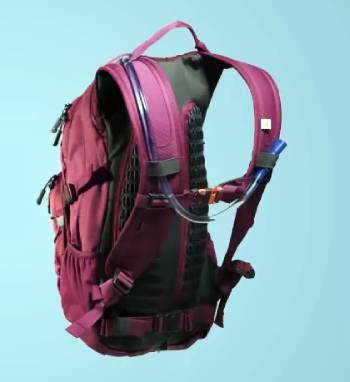
- Check and Tighten the Torso Adjustment Velcro: You should realize that heavy loads can cause the “sliding” harness to shift slightly over time. Re-seating the velcro and ensuring the straps are tight before every major trip is the best maintenance tip for maintaining a proper weight distribution, which is a vital rule for your spinal health.
- Store the Rain Cover Separately if it Gets Wet: You should avoid stuffing a wet rain cover back into its designated bottom pocket. Letting the cover dry completely before re-stowing it is the best maintenance tip for preventing the metal grommets or the pack’s bottom fabric from corroding or rotting, which is an analytical must for gear longevity.
- Inspect the Plastic Buckles for Stress Fractures: You should realize that UV light and extreme cold can make plastic brittle over time. Checking for white “stress marks” on the buckles is the best maintenance tip for identifying a part that might fail mid-hike, allowing you to carry a spare buckle just in case, which helps you stay prepared on the trail.
Pros and Cons of Teton Sports Backpacks
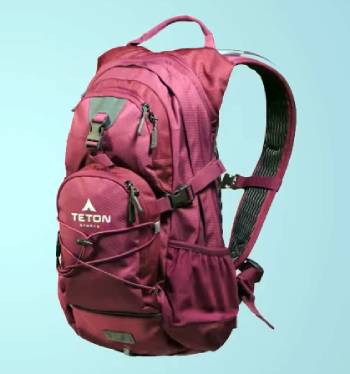
Pros of Teton Sports Backpacks
- Exceptional Value-to-Feature Ratio: You get an internal frame: a rain cover: and a specialized sleeping bag compartment for under $100: I found this to be the most compelling reason for beginners to choose Teton: it eliminates the need to buy expensive accessories separately: this is a major analytical win for new hikers.
- Adjustable Torso Sizing: The sliding harness fits a wide range of body types from teens to adults: I noticed that it can adjust from 15 to 19 inches: this allows a single pack to “grow” with a younger scout over several years: I found the velcro and strap system to be very secure once locked in.
- Durable Heavy-Duty Materials: The 600D diamond ripstop shell is significantly thicker than many ultralight packs: I noticed it withstands brush: thorns: and rocky terrain without tearing: this results in a pack that can survive the “rough and tumble” nature of youth camping: I found the longevity of the fabric to be impressive.
- Thoughtful Organization and Pockets: With dual side zippered pockets and front mesh storage: staying organized on the trail is easy: I found the sleeping bag compartment to be large enough for even the bulkiest cold-weather bags: this provides a level of accessibility that makes camp setup much faster.
- Excellent Customer Support and Warranty: Teton Sports offers a limited lifetime warranty that they actually stand behind: I noticed many users praising their responsiveness when a buckle breaks or a strap fails: this provides peace of mind for those who are worried about buying a lower-cost brand.
Teton Sports Backpack Cons: The “Budget” trade-offs:
- Heavier Base Weight Compared to Rivals: because they use thicker: heavier fabrics: a Teton pack often weighs 4.5 pounds or more empty: I found this to be an analytical disadvantage for long-distance thru-hikers who count every ounce: this results in more total weight on your back before you even add your gear: I noticed this becomes most apparent after mile ten.
- Stiffer and More Abrasive Fabrics: the 600D material: while durable: is quite rough to the touch: I found that if I wore a tank top: the shoulder straps would chafe my skin: this requires you to always wear a shirt with sleeves or a collar: I noticed the “break-in” period for the padding is longer than more expensive packs.
- Basic Ventilation System: while it has “air channels”: it lacks the suspended mesh “trampoline” back panels found on Osprey or Gregory packs: I noticed my back was significantly sweatier in a Teton pack during summer hikes: this results in a less comfortable experience in high-humidity environments: I found it to be a noticeable comfort gap.
- Lower-Grade Hardware and Buckles: the plastic buckles and zippers feel a bit more “brittle” than the industry-standard YKK or Duraflex components: I found that you have to be more careful not to step on a buckle or yank a zipper too hard: this results in a slightly higher risk of mechanical failure in extreme cold.
- Bulky Aesthetics and Profile: the pack tends to sit “wide” and “deep” rather than “tall” and “slim”: I noticed this can make it a bit more difficult to maneuver through tight: overgrown trails: this might make you feel a bit more unbalanced on technical terrain compared to a more streamlined: modern pack design.
Teton Sports Vs. Other Brands
- Teton Sports Vs. Osprey
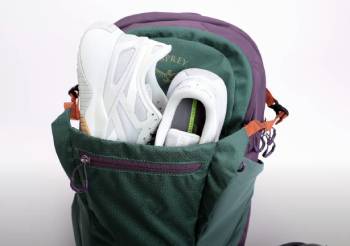
I found that Osprey is the undisputed king of “comfort” and ventilation with their Anti-Gravity suspension systems.
I noticed that while an Osprey Atmos 65 feels like it’s floating on your back, it also costs nearly $300 more than a Teton Scout.
You should realize that Osprey offers the “All Mighty Guarantee” which covers any damage for life, whereas Teton covers manufacturing defects.
I found that if you are only going camping twice a year, the “luxury” of an Osprey is hard to justify when Teton gets you to the same campsite for $80.
- Teton Sports Vs. Gregory
I think Gregory is the better choice for those who carry exceptionally heavy loads, as their Baltoro line has a more robust internal frame.
I noticed that Gregory packs tend to have more “tailored” fits, offering different sizes rather than the one-size-fits-all adjustment of Teton.
You should realize that Gregory is an analytical favorite for those with back issues who need perfect weight transfer.
I found that Teton is much more “approachable” for a casual user who doesn’t want to spend hours being professionally fitted at an outdoor gear store.
- Teton Sports Vs. Amazon Basics
I found that Amazon Basics offers a very similar “internal frame” backpack for a slightly lower price point than Teton.
I noticed, however, that the Teton Sports packs have much better padding and more specialized features like the sleeping bag compartment.
You should realize that Teton is a dedicated outdoor brand founded by an actual hiker, Scott Holmes, whereas Amazon Basics is a generic retail label.
I found that the Teton lifetime warranty makes it a significantly smarter long-term purchase than the generic Amazon alternative.
Also Read: My Experience With North Face Router Backpack
Frequently Asked Questions (FAQs)
Analytically, brands like Osprey, Gregory, and Deuter are consistently ranked as the highest quality due to their advanced suspension systems and premium YKK hardware; however, boutique brands like Hyperlite Mountain Gear lead the market in ultralight quality.
Yes, the Teton Scout 3400 is considered one of the best “entry-level” backpacks on the market; I found it is particularly well-suited for youth, scouts, and casual weekend hikers who need a reliable pack without a $300 investment.
TETON Sports is a privately owned company founded and led by CEO Scott Holmes, who started the brand in Utah with the goal of making high-quality outdoor gear affordable for everyone.
TETON is unique because it focuses specifically on the “entry-level” and “enthusiast” market, providing high-end features like integrated rain covers and adjustable torso lengths at a fraction of the cost of “pro” brands.
Final Thoughts
You should buy a Teton Sports backpack if you want a rugged, dependable gear hauler that allows you to spend your extra money on actual travel experiences rather than just the equipment.
I have found that for a beginner in 2026, the Scout 3400 remains the gold standard for value and durability in the backcountry.
However, you should buy a premium brand like Osprey if you plan on hiking hundreds of miles a year or if you struggle with back pain and need the world’s best ventilation.
I believe that Teton has successfully “democratized” the outdoors by proving that you don’t need a thousand dollars to go sleeping under the stars.
You are the only one who knows your trail goals, so pick the pack that gets you out there and makes some memories.