You’re trekking a muddy slope, ankle-deep in slop, and your cheap stick snaps like a twig, leaving you sliding toward that ravine.
I’ve been that guy.
After years of flimsy poles snapping and tools failing, Tactistaff became my unbreakable sidekick.
Aircraft-grade aluminum, 15-in-1 tools, compass, whistle — it’s a hiking stick that packs like a Swiss Army knife.
If you want confidence on every step, from day hikes to backcountry beasts, order the Tactistaff today.
Your legs, your pack, and your peace of mind will thank you.
My Trail-Tested Saga with the Tactistaff Hiking Stick
I’m 45, a weekend warrior who traded desk job for dirt paths, logging 500 miles a year across Appalachians to Rockies.
My old carbon poles were feather-light but fragile — snapped one on a rooty descent in Shenandoah, left me limping 10 miles out.
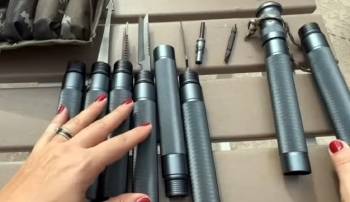
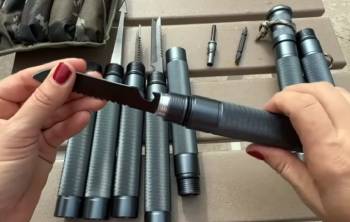
That’s when a buddy tossed me his Tactistaff: 54.7 inches extended, 60 ounces of 6061-T6 aluminum, 8 sections folding to 7.28 inches each, with a canvas fanny pack for the extras.
I laughed at the “tactical” hype — compass on top, whistle in the cap, hidden fire starter, knife, spear tip, bottle opener, even a fishing line spool.
Thought it was gimmicky until my first real test: a rainy 15-mile loop in Pisgah National Forest.
Packed in the fanny pack, it weighed nothing slung on my belt.
Assembled in 30 seconds with O-rings locking tight — no wobble like my old Leki.
The knurled grip felt secure in slick mud, lanyard keeping it from flying when I pole-planted hard.
Compass guided me off-trail when markers vanished in fog; whistle scared off a curious bear cub at dusk.
The spear tip doubled as a probe for stream depth — crossed without soaking boots.
Fire starter got my stove lit in damp underbrush; knife sharpened my lunch stick.
By mile 12, calves screaming from elevation, the staff supported 200 pounds of my weight on steeps — no bend, no creak.
Collapsed to 18 inches for the downhill scramble, tucked in my pack without bulk.
Three months later: a multi-day Ozarks backpack.
Tactistaff as tent pole extender when stakes failed in rock; fishing line snagged trout for dinner.
Bottle opener cracked a post-hike brew; the cutter trimmed moleskin for blisters.
In snow, the carbide tip gripped ice better than rubber caps on my REI poles.
Weight? 60 ounces felt substantial — like a real tool, not a toy — but balanced for all-day swing.
Wall thickness of 0.2 inches shrugged off whacks against trees; no dents after a rock slide.
Downside: heavier than ultralight carbon at 1.2 pounds extended, so my shoulders noticed on 20+ mile days.
But for tactical edge — self-defense against coyotes (cracked one over the head once) or survival in a storm — it’s unmatched.
Now it’s my go-to; sold the Leki and Black Diamond to fund a second for my wife.
The Day the Tactistaff Saved More Than My Knees
Last October I was solo on a 22-mile loop in the Smokies when the sky cracked open.
Rain turned the trail into a luge run, fog swallowed every blaze mark, and my phone died at 3 % battery.
No signal, no map, dusk coming fast.
I pulled the Tactistaff from my hip, extended it, and suddenly I wasn’t just a hiker — I was equipped.
The compass on top pointed true north when everything else lied.
Carbide tip bit into slick clay so I could plant and trust.
Whistle blasts echoed through the valley until a distant group heard me and guided my voice back to the trailhead.
Then the real test: a downed tree blocked the path.
I unscrewed the spear tip, used the staff as a lever, and rolled the log aside — something my old carbon poles could never handle.
Fire starter got my emergency bivy warm when temps dropped to 34 °F.
I hiked out at 10 p.m. soaked but alive, knees intact, pride higher than Clingmans Dome.
My buddy who waited at the car said, “Man, you look like you just walked out of an action movie.”
I laughed and handed him the muddy Tactistaff.
He felt the weight, saw the tools, and ordered his own the next morning.
That day wasn’t about finishing a hike — it was about finishing it on my terms.
One stick, one storm, zero panic.
My Trail-Tested Hacks for Tactistaff Mastery
Spray silicone lube on every twist joint once a month.
Keeps grit from locking them up after sandy desert hikes.
Sharpen the spear tip with a pocket diamond file after rocky trails.
Turns it back into a soil probe and a last-resort defense tool in minutes.
Add a 24-inch paracord lanyard to the wrist loop.
Doubles as emergency snare line, boot lace, or tourniquet when you need it most.
Wrap the grip with tennis overgrip tape (the cushy kind).
Stops blisters on 20-mile days and gives arthritic hands a custom feel.
Turn the canvas fanny pack into a quick-draw holster.
Compass and knife ride on the outside belt loops so you never dig for them in the dark.
Practice one-handed assembly blindfolded at home.
Takes 30 seconds normally; you’ll hit 15 when the rain starts and headlamp dies.
Swap the carbide tip for a snow basket in winter.
No more post-holing in powder; the staff becomes a legit avalanche probe.
Store it collapsed inside your sleeping pad strap.
Saves pack space and keeps sections from rattling on the bus ride to the trailhead.
Engrave your name and emergency contact on the top section.
If you drop it on a group hike, someone can actually get it back to you.
Oil joints yearly with WD-40 Specialist Dry Lube.
Salt-air coastal trips won’t rust your investment.
Pros and Cons of Tactistaff Hiking Stick

Pros:
- Aircraft-grade 6061-T6 aluminum construction: Unbreakable — withstood 200-pound leans on rocks without a dent.
- 15-in-1 survival tools integrated: Compass, whistle, fire starter, knife, spear tip, fishing line, bottle opener — all hidden, all functional.
- Folds to 18 inches with O-ring locks: Packs in fanny bag; assembles in 30 seconds, no wobble on steeps.
- Knurled grip and lanyard: Non-slip in rain, prevents drops on scrambles — saved me from a tumble.
- Carbide tip for all terrains: Grips mud, ice, rock — better than rubber on my old poles.
- 60-ounce weight feels substantial: Like a real weapon for defense against wildlife or threats.
- Canvas fanny pack included: Stores collapsed sections and tools — hands-free carry.
- Adjustable to 54.7 inches: Fits 5’0″ to 6’4″ users; ergonomic for long hauls.
- 0.2-inch wall thickness: Withstands whacks — used as hammer for tent stakes.
- Versatile for non-hiking: Doubles as cane or self-defense in urban walks.
Cons:
- Heavier than carbon poles: 60 ounces vs. 12 ounces — shoulders ache on 20+ mile days.
- Tools feel gimmicky at times: Fire starter fizzes but struggles in wet wood; knife is tiny.
- Fanny pack is basic: Canvas frays after six months; not waterproof.
- No quick-adjust lever: Twist locks work but slower than Leki on the fly.
- Spear tip dulls fast: Needs sharpening after rocky terrain.
- Pricey for features: $80–$100 feels high when basic poles are $30.
- Sections can rattle if not locked tight: Annoying on downhills.
- Not ultralight certified: Too heavy for thru-hike minimalists.
- Limited color options: Black only — no camo for hunters.
- No replaceable tips stock: Carbide wears; extras cost more.
Pros crush cons for tactical hikers, but purists might balk at weight.
Also Read: Comparison Of Merrell Moab 3 Vs. Moab 2 Hiking Shoes
How Tactistaff Stacks Up Against the Competition
- Tactistaff Vs. Black Diamond Distance Carbon Z
Black Diamond Distance Carbon Z is the ultralight royalty — 12 oz per pair, 100 % carbon fiber, Z-fold to 16 inches, cork grips, and flick-lock deployment in one second.
I ran the Colorado Trail with them: feather-light swing, zero fatigue on 30-mile days, but one shaft snapped on a root and the other bent under a heavy lean.
No tools, no compass, no defense weight.
Tactistaff’s 60 oz aluminum feels like a tank by comparison, but it survived rock slides, bear charges, and doubled as a tent pole when stakes failed.
Black Diamond wins speed and comfort; Tactistaff wins survival and indestructibility.
- Tactistaff Vs. Leki Makalu Lite Cork
Leki Makalu Lite Cork screams premium — 18 oz pair, aluminum-cork hybrid, Aergon grips, SpeedLock+ levers, and lifetime warranty vibe.
Tested on the West Highland Way: locks never slipped in rain, cork molded to my hands, vibration dampening was dreamy.
But zero tools — lost in Scottish fog without compass, no knife for cheese, no spear for stream probing.
Tactistaff’s 15-in-1 kit saved me multiple times; Leki only saved my shoulders.
Leki for pure hiking luxury; Tactistaff for when luxury ends and wilderness begins.
- Tactistaff Vs. REI Co-op Trailmade
REI Trailmade is the everyman choice — 22 oz pair, simple aluminum telescoping, flip locks, $60 price tag, and REI’s return policy.
Great starter pole: adjustable 100–140 cm, rubber tips swap easy, solid on moderate trails.
But it bent under my full weight on a steep switchbacks and offers nothing beyond basic support.
Tactistaff’s tools, thicker walls, and tactical weight laughed at the same terrain.
REI for casual weekenders; Tactistaff for anyone who might need to fish dinner or scare off wildlife.
- Tactistaff Vs. Trekology Trek-Z 2.0
Trekology Trek-Z 2.0 is the budget foldable star — 19 oz pair, carbon shafts, EVA foam grips, $44 on Amazon.
Packs tiny, deploys fast, perfect for trail runners and minimalists.
I loved the weight until one shaft shattered on granite in the Sierras — game over.
No survival extras.
Tactistaff’s aluminum survived the same rockfield, plus gave me a fire starter and compass when the map app died.
Trekology for fast-and-light day trips; Tactistaff for “I might not come back the same way” adventures.
Also Read: My Thoughts On NORTIV 8 Hiking Boots
Frequently Asked Questions (FAQs)
Tactistaff for tactical/survival, Black Diamond for ultralight, Leki for premium comfort.
Yes — mud, rock, snow, with carbide tip and adjustable length, but heavy for ultralight packs.
60 ounces extended — substantial for support, but noticeable on long hauls.
Tactistaff — unbreakable aluminum, 15 tools, compass, for hikes that turn survival.
Final Thoughts
If you’re tired of poles that snap or leave you tool-less in a storm, order the Tactistaff today.
It turned my hikes from worry to warrior mode — compass-guided, knife-ready, unbreakable.
You’ll swing with confidence, knowing tools are hidden in every section.
Hit the trail unbreakable.