When you are driving home on a dark, winding road after a long day, the only thing that stands between you and a potential hazard is the glow of your headlights.
I have spent years analyzing automotive gear to help drivers like you find the perfect balance between seeing the road clearly and not breaking the bank on constant replacements.
My intent is to compare Sylvania Basic and Sylvania XtraVision to determine if the “extra” visibility is worth the jump in price for your daily commute.
You should choose the bulb that matches your specific night-driving needs, whether that is simple city reliability or enhanced rural visibility.
Comparison Table: Sylvania Basic Vs. XtraVision
| Feature | Sylvania Basic | Sylvania XtraVision |
| Main Objective | Standard OEM replacement | Increased downroad visibility |
| Light Color | Standard Warm Yellow (approx. 3100K) | Brighter Warm White (approx. 3200K) |
| Brightness | Baseline (Standard Output) | Approx. 3%–10% brighter than Basic |
| Beam Reach | Standard distance | Increased “downroad” reach |
| Lifespan | Very Long (Approx. 1000+ hours) | Good (Approx. 400–600 hours) |
| Best For | Daytime runners and city driving | Rural roads and older drivers |
| Price | Most affordable | Mid-range value |
My personal experience with Sylvania Basic and XtraVision
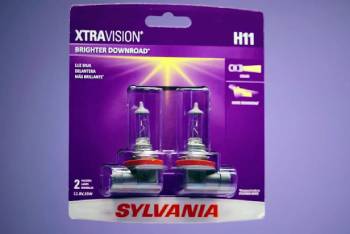
I remember the first time I had to change a headlight bulb on my own; I was standing in the middle of a brightly lit auto parts aisle, staring at a dozen different boxes that all promised to “revolutionize” my night driving.
I initially went with the Sylvania Basic because it was the cheapest option and I just wanted to get my car legal again.
For a while, they were perfectly fine—they did exactly what the factory bulbs did, providing a steady, yellowish glow that was adequate for my well-lit suburban streets.
However, the first time I took that car on a weekend trip to a remote cabin, I realized the limitations of the “Basic” output.
The light seemed to fall off into a void just a few car lengths ahead, making me feel like I had to drive much slower just to feel safe.
A few months later, out of pure curiosity, I swapped those out for a pair of Sylvania XtraVision bulbs.
I didn’t expect a miracle, but I was genuinely surprised by the subtle but effective shift in my field of view.
It wasn’t that the light was a different color—it still had that warm, halogen look—but it felt “denser.”
The beam reached further down the asphalt, illuminating the reflective eyes of a raccoon well before I would have seen it with the Basics.
I felt more relaxed behind the wheel, less like I was straining to see through a tunnel.
Over the next year, I tracked how long they lasted.
The Basics I had kept as spares in my glovebox eventually outlasted the XtraVisions by a significant margin.
While the XtraVisions gave me better sight for a season of heavy night driving, they eventually flickered out, whereas the Basics are the type of bulbs you can install and essentially forget about for the life of the car.
It taught me that choosing a bulb is a trade-off: you are either paying for the “utility” of a long life or the “performance” of better vision.
Maintenance and tips for halogen bulbs
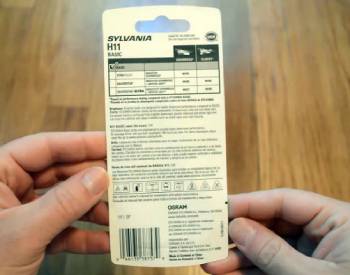
Whether you go for the Basic or the XtraVision, how you handle these bulbs is just as important as which one you buy.
- Never touch the glass with bare fingers: This is the golden rule of halogen maintenance. The oils from your skin create “hot spots” on the glass that will cause the bulb to shatter or burn out prematurely. Always use clean gloves or a paper towel.
- Replace in pairs: Headlights dim over time. If you only replace one, you will have an uneven beam pattern that can be distracting to you and other drivers.
- Check your headlight lenses: If your plastic housings are yellowed or foggy, even the brightest XtraVision bulb will perform poorly. Use a restoration kit to clear the lenses before blaming the bulbs for poor visibility.
- Apply dielectric grease: A small dab of bulb grease on the electrical connector can prevent corrosion and ensure a steady flow of power to the filament, which helps maintain consistent brightness.
- Check your alignment: If you install new bulbs and still can’t see, your headlights might be aimed too low. A quick adjustment against a garage wall can make a “Basic” bulb feel like an upgrade.
- Keep the old bulb as a spare: If you are upgrading to XtraVision, keep the working Basic bulb in your trunk. It’s a life-saver if you have a burnout in the middle of a long road trip.
Sylvania Basic: The reliable standard

The Sylvania Basic is the direct descendant of the original equipment manufacturer (OEM) bulbs that came with your vehicle.
It is designed for one thing: to be a dependable, long-lasting light source that meets all DOT regulations.
Pros of Sylvania Basic
- Unbeatable Longevity: These bulbs are built with a thicker filament and a standard gas mixture that allows them to burn for hundreds of hours longer than high-performance models.
- Affordability: If you are on a budget or looking to flip a used car, these are the most cost-effective way to get back on the road safely.
- Low Heat Output: Because they don’t push the filament to extreme temperatures, they are very gentle on your plastic headlight housings and wiring harnesses.
- Standard Performance in All Weather: The warm yellow tint is naturally better at cutting through rain and fog compared to blue-tinted bulbs, which can cause excessive glare.
- Consistency: You know exactly what you are getting; there are no surprises with beam patterns or weird color shifts.
Cons of Sylvania Basic
- Limited Beam Reach: They are not designed to “throw” light very far, which can feel restrictive on dark highways: you may find yourself using your high beams more often than you would like.
- Aged Aesthetic: The light is undeniably yellow, which can make a newer car look older compared to modern LED or high-end halogen alternatives.
- Low Contrast: The standard output doesn’t do much to help you distinguish between a dark gray pothole and dark gray pavement at high speeds.
Also Read: Comparison Of Sylvania Xtravision Vs. Ultra
Sylvania XtraVision: The smart visibility upgrade
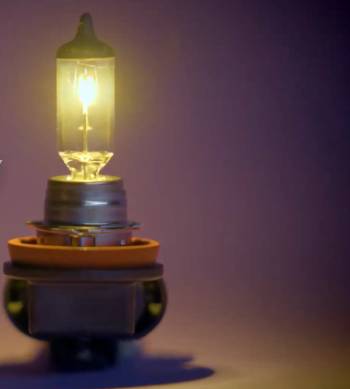
Sylvania XtraVision is the next step up, intended for drivers who want a bit more “reach” without the high cost and short life of the SilverStar line.
Pros of Sylvania XtraVision
- Enhanced Downroad Reach: The primary feature of XtraVision is its ability to project light further down the road, giving you more time to react to obstacles or turns.
- Increased Brightness Without Glare: It achieves a higher output through a more efficient filament and gas mixture, but it does so without blinding oncoming traffic.
- No Blue Tinting: Unlike some “upgrades,” XtraVision uses clear glass: this means you get more actual light on the road rather than filtered light that looks cool but performs poorly in the rain.
- Perfect for Older Eyes: As we age, our eyes need more light to process the same information: the extra output from these bulbs can significantly reduce night-driving anxiety for seniors.
- Durable Design: While it doesn’t last as long as the Basic, it is much more durable than the “Ultra” performance bulbs, making it a great “middle of the road” choice.
Cons of Sylvania XtraVision
- Reduced Lifespan Compared to Basic: You are trading hours of operation for brightness: expect to replace these about twice as often as you would a Basic bulb.
- Higher Price Point: They generally cost a few dollars more per bulb, which adds up if you are replacing all the lights on your vehicle at once.
- Minor Color Difference: Despite being called “whiter” in some marketing, they are still very much in the warm halogen family: don’t expect them to look like LEDs.
Sylvania Basic Vs. XtraVision: The analytical breakdown
When we look at these two bulbs from a technical standpoint, we are looking at the evolution of the halogen filament.
The Sylvania Basic uses a standard coil that is designed for maximum thermal stability.
This means the metal can expand and contract over thousands of cycles without snapping.
The XtraVision, however, uses a slightly different geometry for the filament.
By adjusting the coil and the mixture of halogen gases inside the glass, Sylvania is able to make the filament glow slightly hotter and brighter.
This is why you get that “downroad” boost.
Analytically, if your car has a “Daytime Running Light” (DRL) feature that uses your low beams at a lower voltage, the XtraVision will wear out even faster.
For cars with DRLs, the Basic is often the more logical choice because the bulbs are “on” for significantly more hours every day.
However, if you do most of your driving at night on two-lane blacktop roads, the “safety margin” provided by the XtraVision is hard to ignore.
Being able to see an extra 30 or 50 feet ahead at 60 miles per hour gives you a fraction of a second more to hit the brakes.
In those situations, the extra five dollars spent on the bulb is the cheapest insurance policy you will ever buy.
Also Read: Comparison Of Philips Vs. Sylvania Headlight Bulbs
Frequently Asked Questions (FAQs)
Yes, in terms of visibility, it provides more light further down the road; however, it has a shorter lifespan than the Basic model.
They are worth it for drivers who frequently travel on unlit roads or who feel that their current “basic” lights are too dim for safe driving.
Yes, the difference is in the filament design and gas pressure, which dictates whether a bulb focuses on longevity or light output.
It is a high-performance halogen bulb designed to increase “downroad” visibility without adding the glare or blue tinting found in other premium bulbs.
Final Thoughts
In the end, the choice between Sylvania Basic and XtraVision comes down to your personal priorities and your vehicle’s needs.
I have found that the Basic bulb is the king of reliability for city dwellers, while the XtraVision offers a much-needed boost for those of us who brave the darkness of rural highways.
You should look at your driving patterns—if you are always in well-lit areas, stick with the Basic; if you need more confidence in the dark, go with XtraVision.
The main intent of this comparison is to show you that a small upgrade can lead to a big difference in safety, provided you are aware of the trade-off in bulb life.