I wrote this because if you’re about to spend a serious amount of money on premium luggage, I genuinely believe you should slow down and understand what Sterling Pacific and Rimowa really offer you.
In this article, I’m sharing my first-person, hands-on comparison so you can confidently decide which brand aligns with your travel style, values, and expectations, instead of buying based on hype alone.
| Feature | Sterling Pacific | Rimowa |
| Core material | Solid aluminum | Grooved aluminum or polycarbonate |
| Manufacturing | Hand-built | Industrial production |
| Design philosophy | Tool-like, utilitarian | Iconic, fashion-forward |
| Customization | Extensive options | Limited |
| Price range | Very high | High |
| Brand focus | Durability and longevity | Design and prestige |
| Repair philosophy | Built to last decades | Built to be replaced |
Why I Decided to Compare Sterling Pacific and Rimowa
This comparison didn’t start as a casual interest.
It started when I needed luggage I could trust for long-haul, frequent travel without constantly worrying about dents, cracks, or replacement cycles.
Rimowa was the obvious name everyone mentioned.
Sterling Pacific, on the other hand, felt like a quiet recommendation passed between serious travelers.
That contrast made me curious.
If you’re in the same position, trying to understand whether craftsmanship or brand legacy matters more to you, you’re exactly who this comparison is for.
First Impressions: How Each Brand Feels Out of the Box
When I first handled a Rimowa, the impression was immediate.
The grooved aluminum design feels iconic and instantly recognizable.
It looks expensive and refined, almost like an accessory rather than a tool.
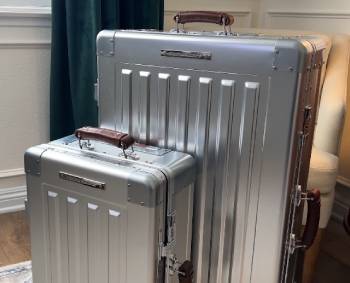
Sterling Pacific feels different the moment you touch it.
It doesn’t try to impress you visually first.
It feels dense, deliberate, and overbuilt.
If Rimowa feels like a luxury sedan, Sterling Pacific feels like an armored vehicle.
That difference in philosophy sets the tone for everything else.
Design Philosophy: Style Vs. Purpose
Rimowa’s design is about identity.
The grooves, the logo, the visual language all signal premium travel culture.
When you roll a Rimowa through an airport, people recognize it instantly.
Sterling Pacific doesn’t chase recognition.
Its design is minimal, almost industrial.
Everything exists for a reason, not for appearance.
That design choice speaks to travelers who care more about function than perception.
Build Quality and Materials
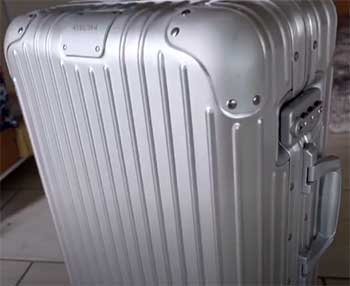
Rimowa’s aluminum is lightweight and flexible, which helps absorb impact.
Over time, it shows dents and scratches that many users see as character.
Sterling Pacific uses thicker aluminum and reinforced construction.
The case feels rigid and uncompromising.
It doesn’t flex.
It doesn’t apologize.
If you’ve ever worried about your luggage surviving baggage handling, this difference matters.
Wheels, Handles, and Hardware
Rimowa’s wheels are smooth and quiet.
They glide effortlessly across airport floors.
The telescoping handle feels refined and ergonomic.
Sterling Pacific’s wheels feel more utilitarian.
They’re not flashy, but they’re durable and stable on uneven surfaces.
The handles feel like they’re meant to last decades, not seasons.
It’s comfort versus confidence.
Weight and Practicality in Travel
Rimowa’s lighter construction makes it easier to lift into overhead bins or car trunks.
Sterling Pacific is heavier, no question.
But that weight brings reassurance.
When I travel with Sterling Pacific, I don’t baby it.
I trust it.
That psychological difference affects how you move through airports.
Interior Layout and Packing Experience
Rimowa’s interior feels modern and clean.
The dividers and compression systems are intuitive and travel-friendly.
Sterling Pacific’s interior feels more rugged.
It prioritizes protection over aesthetics.
Both pack well, but they appeal to different mindsets.
If you want elegance, Rimowa delivers.
If you want resilience, Sterling Pacific stands out.
Durability Over Time
This is where the gap widens.
Rimowa luggage ages visibly.
Dents accumulate.
Corners soften.
Sterling Pacific barely changes.
After repeated trips, it looks almost the same as day one.
If longevity matters to you, this difference is critical.
Price and Value Perspective
Rimowa is expensive, but you’re paying for brand legacy and design.
Sterling Pacific is expensive because of materials, labor, and low-volume craftsmanship.
One charges for recognition.
The other charges for permanence.
That distinction helped me justify the cost.
Sterling Pacific Pros and Cons
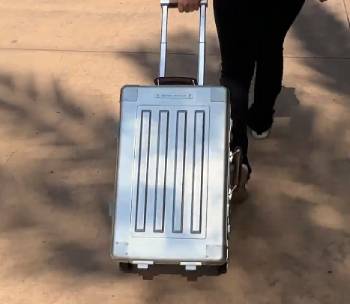
Pros:
- Exceptionally thick aluminum shell that offers outstanding protection for valuables during frequent and long-haul travel.
- Hand-built construction gives the luggage a solid, almost indestructible feel that inspires confidence every time you check a bag.
- Minimalist and utilitarian design focuses purely on performance rather than trends, which helps it age gracefully.
- Reinforced corners and hardware reduce the risk of structural damage even with rough baggage handling.
- Customization options allow you to tailor size, finish, and components to your specific travel needs.
- Designed to last for decades, making it a true long-term investment rather than a replaceable item.
Cons:
- Heavier than most premium luggage, which may be noticeable when lifting or navigating stairs.
- High upfront cost that may feel excessive if you travel only occasionally.
- Industrial appearance may not appeal to travelers who prioritize visual elegance.
- Limited availability compared to mass-market brands, which can make purchasing less convenient.
Rimowa Pros and Cons
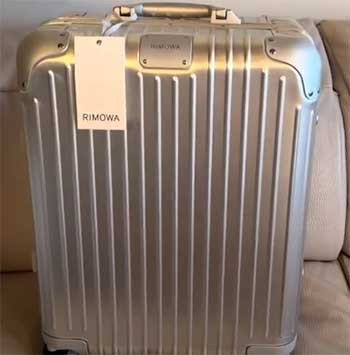
Pros:
- Iconic design that is instantly recognizable and associated with premium travel culture.
- Lighter aluminum construction makes it easier to maneuver through airports and lift into overhead bins.
- Smooth, high-quality wheels provide excellent mobility on polished floors and terminals.
- Refined interior layout that feels modern and user-friendly for organized packing.
- Strong brand heritage that appeals to travelers who value tradition and prestige.
Cons:
- Aluminum models dent easily, which may bother users who prefer a pristine appearance.
- A significant portion of the price reflects branding rather than purely materials or construction.
- Less rugged than Sterling Pacific when exposed to repeated heavy handling.
- Repairs and replacements can be costly over long-term ownership.
Maintenance Tips
- Clean the aluminum shell regularly with a soft, damp cloth to remove dirt, salt, and travel residue.
- Avoid abrasive cleaners or harsh chemicals that can damage finishes or protective coatings.
- Inspect wheels and handles periodically to ensure screws and joints remain secure.
- Store luggage in a dry, temperature-controlled environment to prevent corrosion or material fatigue.
- Allow the interior to air out after trips to prevent odors and moisture buildup.
- Address small dents, loose hardware, or wheel resistance early to avoid larger issues later.
- Use protective covers during storage if you want to minimize cosmetic wear between trips.
- Handle telescoping handles gently and avoid forcing them if they feel misaligned.
Also Read: My Experience With Traveler’s Choice Luggage
Who Sterling Pacific Is Really For
Sterling Pacific is really for travelers who see luggage as a long-term investment rather than a seasonal accessory.
If you’re someone who travels frequently, checks bags often, or carries valuable and fragile items, this brand speaks directly to you.
I see Sterling Pacific appealing most to people who appreciate craftsmanship and overengineering.
This is the kind of luggage you choose when you’re tired of replacing bags every few years and want something that feels permanent.
If you value function over flash, Sterling Pacific makes a lot of sense.
It doesn’t shout for attention in an airport, but it quietly proves itself through performance.
I also think it’s ideal for professionals, photographers, pilots, or travelers who move through rough handling environments where durability matters more than aesthetics.
You’ll appreciate the thicker aluminum, reinforced corners, and the sense that the case is protecting your belongings rather than simply carrying them.
If you’re patient, detail-oriented, and willing to accept extra weight in exchange for peace of mind, Sterling Pacific aligns with that mindset.
It’s for people who don’t want to think about their luggage again after buying it.
Who Rimowa Is Really For
Rimowa is really for travelers who value design, brand heritage, and a refined travel experience.
If you enjoy premium aesthetics and want luggage that feels as stylish as it is functional, Rimowa fits naturally into your routine.
I see Rimowa appealing to frequent flyers who prioritize smooth mobility, lighter weight, and effortless handling through airports.
If you mostly travel through modern airports and don’t often worry about extreme abuse, Rimowa feels luxurious and practical at the same time.
It’s also a strong choice for people who see luggage as part of their personal style.
The iconic grooves and recognizable silhouette make a statement without trying too hard.
If you enjoy the idea that dents and marks tell the story of your travels, Rimowa’s aluminum models support that philosophy.
You’re not buying Rimowa just for durability.
You’re buying into a legacy of travel culture, design, and comfort.
If that emotional connection matters to you, Rimowa delivers it consistently.
Long-Term Ownership Experience
The long-term ownership experience between Sterling Pacific and Rimowa feels fundamentally different.
With Sterling Pacific, ownership feels steady and reassuring.
The bag changes very little over time, which builds confidence with every trip.
You stop thinking about whether it will survive the journey because it always does.
Rimowa, on the other hand, evolves with use.
Dents, scratches, and wear become part of its character.
Some people love that visible history, while others may find it frustrating.
From my perspective, Sterling Pacific offers predictability and trust.
Rimowa offers personality and familiarity.
Maintenance also differs.
Sterling Pacific requires minimal concern beyond basic cleaning, while Rimowa owners often pay more attention to cosmetic upkeep.
Over years of travel, Sterling Pacific feels like a tool that quietly works in the background.
Rimowa feels like a companion that reflects where you’ve been.
Neither experience is better by default.
The right choice depends on whether you value permanence or evolution in the gear you travel with.
Also Read: My Thoughts On Sterling Pacific Luggage
Frequently Asked Questions (FAQs)
Sterling Pacific is often considered superior for durability and longevity.
It’s hand-built using thick aluminum and premium components.
Sterling Pacific luggage is manufactured in limited production facilities with a focus on craftsmanship.
Quality depends on priorities, but Sterling Pacific excels in construction while Rimowa excels in design.
Final Thoughts
After comparing Sterling Pacific and Rimowa extensively, I believe you should choose Sterling Pacific if durability and longevity matter most to you.
You should choose Rimowa if style, recognition, and lighter handling define your travel priorities.
Both are premium, but they serve different philosophies.
When your luggage aligns with how you travel, every journey feels easier.