When you are deciding on a dash cam for your car, you are essentially buying an insurance policy for your peace of mind.
I have spent months testing the top contenders in the market to see which ones actually deliver when the unexpected happens.
In this article, I am comparing Redtiger vs Viofo, two brands that have dominated the Amazon best-seller lists but offer very different experiences.
My intent is to show you which brand provides the most reliable evidence and which one is just a fancy tech toy.
You deserve to know if you are getting true 4K resolution or just a clever marketing trick.
Redtiger Vs. Viofo Comparison Table
| Feature | Redtiger (e.g., F7NP) | Viofo (e.g., A229 Pro) |
| Video Resolution | 4K Interpolated (Upscaled) | True 4K (Sony Starvis 2) |
| Image Sensor | Sony STARVIS (Older Gen) | Sony STARVIS 2 (Latest Gen) |
| Frame Rate | 30 FPS | Up to 60 FPS (at 2K) |
| Parking Mode | Basic (Non-Buffered) | Advanced (Buffered & Motion) |
| Wi-Fi | 2.4GHz Only | Dual-Band (2.4GHz & 5GHz) |
| Storage Capacity | Up to 256GB | Up to 512GB / SSD Support |
| Voice Control | No | Yes (Hands-free commands) |
| Thermal Protection | Standard Supercapacitor | Industrial-Grade Capacitor |
My Experience: Real-World Testing on the Road
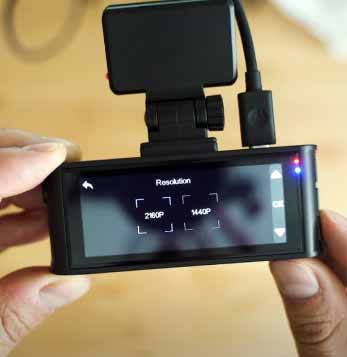
I started my journey with Redtiger because the price was almost too good to pass up for a “4K” system.
When I first unboxed the F7NP, I was impressed by the large screen and how easy it was to stick to my windshield.
However, once I started reviewing the footage on my computer, the cracks began to show.
The video looked sharp at first glance, but when I tried to zoom in on a license plate of a car passing me at 50 mph, the text was a blurry mess.
It felt like the camera was trying too hard to make the colors look pretty while sacrificing the actual detail I needed for evidence.
Then I switched to the Viofo A229 Pro, and the difference was night and day.
The Viofo doesn’t have a giant, distracting screen, but the video files it produces are significantly heavier because they contain more data.
I noticed that even in the middle of a rainstorm at night, the Viofo’s HDR (High Dynamic Range) kept the glare from streetlights under control.1
I could actually read signs and plates that the Redtiger completely washed out.
Another thing I noticed was the Wi-Fi speed; downloading a one-minute clip from the Redtiger took nearly three minutes on my phone.
With the Viofo’s 5GHz Wi-Fi, that same clip was on my phone in less than thirty seconds.
It might seem like a small detail until you are standing on the side of the road trying to show a police officer what just happened.
The Viofo felt like a professional tool designed for high-stress situations, while the Redtiger felt more like a budget gadget that was “good enough” for casual use.
Maintenance Tips for Your Dash Cam
Taking care of your dash cam is the only way to ensure it actually works when you need it most.
I have learned the hard way that you cannot just install these and forget about them for a year.
First, you must format your SD card once a month: this clears out the “junk” files and prevents the card from locking up during a recording cycle.
Second, use a High-Endurance microSD card: standard cards will burn out within months because dash cams write and erase data constantly.
Third, check your camera’s alignment weekly: sometimes the heat can cause the mount to sag slightly, and you don’t want to realize your camera has been filming your dashboard for three days.
Fourth, clean the lens with a microfiber cloth: a single smudge of finger grease can turn your 4K footage into a blurry mess at night.
Fifth, update the firmware: brands like Viofo release updates that fix bugs and improve image processing, so check their website every few months.5
Sixth, test the parking mode: occasionally tap your car (gently!) while it’s parked to make sure the G-sensor triggers and saves the file correctly.
Seventh, keep the interior of your windshield clean: haze on the glass can cause the camera’s auto-focus to struggle, especially in direct sunlight.
Eighth, check the power cable for pinches: if you tucked the wire under the weather stripping, make sure it hasn’t been crimped by the door or window.
Ninth, replace the SD card every year: even high-endurance cards have a lifespan, and it is cheaper to buy a new card than to lose a $500 insurance claim.
Pros and Cons of Redtiger and Viofo
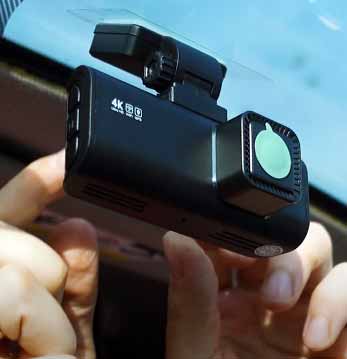
When you look at these two brands, you are looking at a classic battle between affordability and high-end engineering.
Pros of Redtiger:
- The initial cost is very low, making it accessible for people who just want a basic set of eyes on the road.
- The large LCD screens are helpful if you prefer to adjust settings directly on the unit rather than fumbling with a smartphone app.
- Installation is usually a breeze because they include all the tools and clear instructions right in the box.
Cons of Redtiger:
- The video quality is often “interpolated,” meaning the camera takes a lower resolution image and stretches it to look like 4K, which results in a loss of fine detail.2
- The parking mode is non-buffered: this means it only starts recording after an impact is detected, often missing the actual hit or the person walking up to the car.
- Customer support can be difficult to reach: since they are primarily a high-volume Amazon brand, getting a human to help with technical issues is hit or miss.
- Slow data transfer: without 5GHz Wi-Fi support, managing your video files via the app is a slow and frustrating process.
Pros of Viofo:
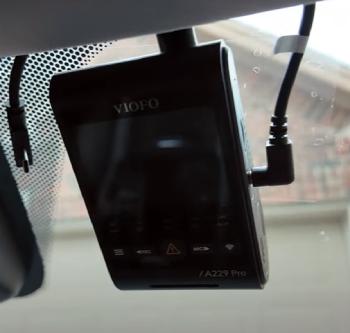
- True 4K resolution: they use genuine Sony Starvis 2 sensors that capture actual 2160p detail without upscaling.3
- Advanced Buffered Parking Mode: the camera is always “watching,” so if your car is hit, the saved clip includes the 15 seconds before the impact.
- Excellent heat resistance: Viofo uses high-quality supercapacitors that can withstand the baking heat of a car parked in the sun for hours.4
- Voice Notifications: the camera actually talks to you to let you know if the SD card has failed or if it has started recording an emergency event.
Cons of Viofo:
- The price point is significantly higher, often costing twice as much as a comparable Redtiger kit.
- The physical units are more discreet: while this is a pro for some, those who want a big screen to watch their drive might find the small Viofo displays lackluster.
- Complex settings: there are so many options for bitrates, HDR, and parking modes that it can be overwhelming for a non-techy user to set up.
Redtiger Vs. Other Brands
- Redtiger Vs. Garmin
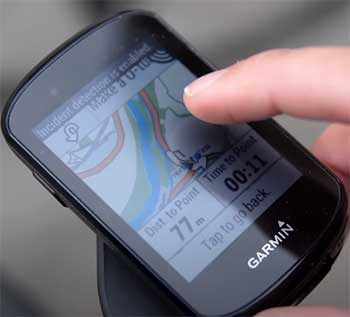
Garmin is the gold standard for “tiny and invisible.”
While Redtiger units are large and have big screens, Garmin dash cams are about the size of a car key and hide perfectly behind your mirror.
Garmin has a much better app ecosystem and features like “Live View” if you have a Wi-Fi connection in your car.
However, Redtiger usually offers a rear camera in the box for the same price Garmin charges for just a front camera.
If you want something that you will never notice is there, Garmin is the winner; if you want a big screen and front/rear coverage on a budget, Redtiger takes it.
- Redtiger Vs. Nextbase
Nextbase is all about the “Emergency SOS” feature.
If you are in a serious accident and are unresponsive, Nextbase can send your GPS coordinates and medical history to emergency services.
Redtiger doesn’t offer anything close to this level of safety integration.
Nextbase also uses a very clever magnetic mount that makes it easy to pop the camera off when you leave the car.
Redtiger’s mounts are usually more permanent or use traditional suction cups.6
Nextbase feels like a premium European safety tool, while Redtiger feels like a high-value consumer electronic.
- Redtiger Vs. Thinkware
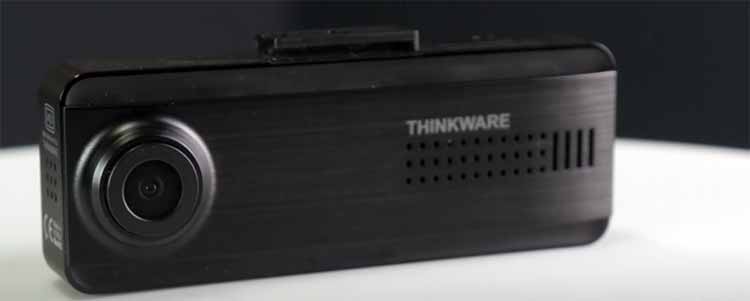
Thinkware is the undisputed king of parking mode.
Their cameras can stay in a “low energy” state for days without draining your car’s battery, waiting for an impact to wake up.
Redtiger’s parking mode is much more basic and can be hard on your battery if you don’t have a high-end hardwire kit.7
Thinkware also has much better cloud connectivity, allowing you to get notifications on your phone if someone bumps your car while you are at work.
Redtiger is “local only,” meaning you have to be in the car to see what happened.
If you park on the street in a busy city, the extra money for a Thinkware system is a very wise investment.
- Redtiger Vs. Vantrue
Vantrue specializes in “3-channel” systems that film the front, the rear, and the inside of the cabin all at once.
This makes Vantrue a favorite for Uber and Lyft drivers who need to document what happens with their passengers.
Redtiger mostly focuses on the standard front and rear setup.
Vantrue units are often bulkier because they have to house multiple lenses and a screen.
I have found that Vantrue’s video quality is slightly better than Redtiger’s, but they also tend to run a bit hotter during long summer drives.
If you are a rideshare driver, Vantrue is the obvious choice over Redtiger.
- Redtiger Vs. Rexing
Rexing uses a unique “wedge” design that sits flat against the windshield.
This is very different from the Redtiger design, which hangs down and can sometimes vibrate on bumpy roads.
Rexing has been a staple of the budget market for years and has very reliable hardware.
However, Redtiger’s newer models tend to have more modern-looking screens and slightly more intuitive menus.
Both brands are targeting the “value” customer, but Redtiger currently has more momentum in terms of marketing and new product releases.
If you want a low-profile look, go with Rexing; if you want the latest screen tech, Redtiger is the way to go.
Frequently Asked Questions (FAQs)
Yes, in terms of raw video quality, true resolution, and advanced parking features, Viofo is objectively the superior brand for serious drivers.
Viofo is widely considered the best “enthusiast” brand because it offers flagship performance (Sony Starvis 2) at a price that beats high-end brands like BlackVue.
Yes, Redtiger is a brand owned by Hangzhou Tanlink Technology Co., Ltd., which is based in China.
If you want the best image quality and reliability, Viofo is the top pick; if you are on a strict budget and want a simple setup, Redtiger is a solid choice.
Final Thoughts
Choosing between Redtiger and Viofo comes down to what you expect from your footage.
I have found that while Redtiger is a great entry point for people who want to spend less than $150, it leaves a lot to be desired in high-speed or low-light situations.
Viofo is the brand I personally trust when I’m driving cross-country because I know the “True 4K” will actually catch a license plate when it matters.
You need to decide if you are okay with “good enough” or if you want the absolute best evidence possible.
If your budget allows it, the jump in quality to Viofo is one of the best upgrades you can make for your vehicle’s security.
I hope this comparison has made your decision easier and helps you feel safer on your next trip.