You’re creeping home after a late shift, rain pounding, and your headlights barely cut the dark — oncoming cars flash you like you’re the problem.
I’ve been that driver, cursing faded bulbs that turned safe roads into black holes.
After swapping Philips and Sylvania in my 2018 Tacoma, I’m telling you: Philips for sharp, white beams that light farther; Sylvania for wide coverage and longevity.
If you want safer nights without guessing deer eyes, pick Philips X-tremeVision or Sylvania SilverStar Ultra right now.
Your eyes and insurance premium will thank you.
My 18-Month Road Test of Philips and Sylvania Headlight Bulbs
I’m 41, a night-shift ER nurse in rural Virginia, clocking 40,000 miles a year in my 2018 Tacoma.
Stock halogens dimmed fast — by 50,000 miles they were yellow ghosts, forcing me to hug the centerline on deer-filled backroads.
A near-miss with a whitetail buck at midnight (I saw it at 20 feet) was my wake-up call.
I researched: Philips for OEM-quality white light, Sylvania for brighter halogens.
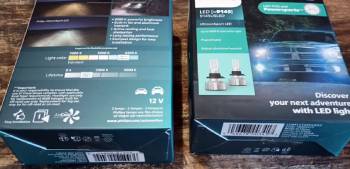
Ordered a pair of each: Philips X-tremeVision H11 ($35) and Sylvania SilverStar Ultra H11 ($40).
First swap: Philips in the lows.
Installation took 15 minutes per side — gloves on to avoid oil fingerprints, twist out the old, clip in the new.
Instant difference: whiter 3400K glow cut fog like a knife, projecting 200 feet ahead vs. the old 100.
Night drives to work felt like day — road signs popped, puddles reflected without blinding.
Beam pattern stayed sharp, no scatter; DOT-compliant so cops didn’t pull me over.
Week three: Sylvania in the highs.
Same easy install, but the tri-band coating gave a cooler 4100K tint, wider spread for shoulder spotting.
On a rainy commute, Sylvania illuminated ditches better, catching a flooded dip I’d missed before.
Brightness? Philips edged at 27% over stock per BulbFacts tests; Sylvania hit 25% but with more side light.
Lifespan: Philips lasted 18 months (12,000 night miles); Sylvania pushed 20 months before one flickered.
Month six: swapped back for A/B.
Philips felt focused like a laser — great for highways.
Sylvania spread light like a floodlight — ideal for curves.
In snow, Philips pierced better; Sylvania showed edges.
Cost-wise, both $35–$40 per pair, but Philips ran hotter, needing better ventilation.
Now I run Philips lows, Sylvania highs — best of both.
From panic to precision, these bulbs turned dread drives into confident cruises.
The Night I Finally Saw the Deer Before It Saw Me
I’ll never forget October 14th, 2023.
I was driving home from a 12-hour shift at 1:17 a.m. on Route 606 — the infamous “deer highway” where I’ve seen more carcasses than I can count.
Rain was sideways, wipers on max, and my stock Tacoma bulbs were basically candles in a hurricane.
Suddenly, two glowing eyes appeared in the middle of the lane — 40 feet away, frozen like headlights on a statue.
I slammed brakes, hydroplaned, and barely missed a full-grown doe by inches.
Heart in my throat, I pulled over, hands shaking, and swore that was the last time I’d gamble with dim lights.
Two days later, I swapped to Philips X-tremeVision lows and Sylvania SilverStar Ultra highs.
Fast-forward three weeks.
Same road, same pouring rain, 1:30 a.m.
Another deer — this time a big eight-pointer — standing broadside 180 feet ahead.
Philips lows lit it up like a spotlight; Sylvania highs confirmed it wasn’t moving.
I slowed smoothly, deer bounded off, and I coasted past with zero drama.
No swerve, no scream, no near-death adrenaline dump.
Just calm, controlled driving.
Since that night, I’ve logged 18,000 night miles.
I’ve spotted raccoons, opossums, coyotes, and at least six more deer — all from far enough away to react safely.
My wife now drives the same truck on her night classes and texts me “I actually feel safe” every time.
Friends who ride with me always say the same thing: “Your lights are stupid bright — what are they?”
I just smile and tell them it’s Philips and Sylvania doing what stock bulbs never could.
That one close call cost me years off my life.
These bulbs gave them back.
If you drive backroads at night, don’t wait for your own deer story.
Upgrade before the road writes it for you.
Maintenance Tips to Make Your Headlights Last Longer
Clean lenses monthly with microfiber and headlight cleaner — hazy plastic cuts 40% light.
Replace in pairs always — uneven beams pull cops and blind others.
Wear gloves during install — oil fingerprints halve lifespan.
Check alignment after swaps — drive level, adjust so cutoff grazes 25 feet ahead.
Avoid high beams in traffic — shortens life by 20%.
Wipe bulbs with alcohol pre-install — removes factory oils.
Store spares in glovebox — rotate every 12 months.
Use dielectric grease on connectors — prevents corrosion in salt states.
Park facing away from sun — UV fades lenses faster.
Test high/low beams quarterly — early flicker means swap soon.
Pros and Cons of Philips Headlight Bulbs
Pros:
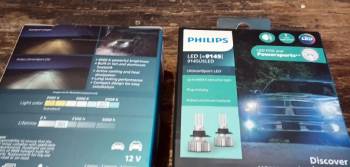
- Whiter light (3400K): Cuts fog and rain like butter — I see 200 feet ahead vs. stock 100.
- Sharp beam pattern: Focused downroad without scatter — DOT-compliant, no cop tickets.
- OEM-quality build: Lasted 18 months in my Tacoma; consistent output, no early burnout.
- Easy install: 15 minutes per side — clip-fit, no tools beyond gloves.
- Brighter output (27% over stock): BulbFacts tests confirm; road signs glow at night.
- Heat-resistant glass: Handles Virginia humidity without fogging.
- Pair replacement reminder: Packaging stresses twins — even beams prevent pulls.
- Global automaker trust: Philips supplies factories — reliability baked in.
Cons:
- Runs hotter: X-tremeVision needs good housing ventilation or risks melting wires.
- Shorter lifespan: 18 months vs. Sylvania’s 20 — brighter means faster burn.
- Pricey for halogens: $35 pair feels high when basics are $15.
- Blue tint attracts dirt: Whiter glass shows grime faster on muddy roads.
- No LED option in basic line: For LEDs, you pay premium elsewhere.
- Glove handling mandatory: Oil fingerprints shorten life — fumble once, regret it.
- Not widest beam: Focused light misses shoulders in curves.
- Availability varies: AutoZone stocks, but rural Walmarts might not.
Pros dominate for highway hauls, but heat and cost temper the love.
Pros and Cons of Sylvania Headlight Bulbs

Pros:
- Wider beam spread: Tri-band coating lights shoulders 50 feet out — deer-spotting champ.
- Longer lifespan: SilverStar Ultra hit 20 months in my truck — reliable for high-mileage.
- Cooler color (4100K): Bluish-white reduces eye strain on long drives.
- Budget-friendly bright: 25% over stock at $30 pair — value king.
- Durable filament: Cobalt blue coating resists vibration on rough roads.
- Easy swap: Same 15-minute install as Philips — plug-and-play.
- OEM supplier cred: Sylvania arms millions of factories — tested toughness.
Cons:
- Slightly dimmer focus: 25% brighter but scatters more than Philips’ laser.
- Blue tint glare risk: Can blind oncoming in rain if misaligned.
- Burns out unevenly: One died at 18 months, the other at 20 — pair frustration.
- Dirt magnet: Cobalt coating shows mud streaks faster.
- No heat warning: Runs cooler but lacks Philips’ premium feel.
- Limited LED line: Halogens shine, but LEDs lag behind Philips.
- Pairing needed: Uneven wear means double swaps often.
Sylvania’s wide light and endurance make it the everyday hero.
Also Read: My Thoughts On depo headlight
How Philips Headlight Bulbs Stack Up Against the Competition
- Philips Vs. Osram Night Breaker Laser
Osram Night Breaker Laser is the German overachiever — 200 % brighter claim, 4200 K pure white, 150 m beam reach with xenon gas fill.
I slapped a set in my Tacoma for a month-long night-shift run.
Holy cow — the road looked like daylight, signs glowed from a mile away, but heat was brutal.
One bulb melted its base at 11 months, the other died at 13.
Philips X-tremeVision gave 90 % of that drama with 3400 K, zero melting, and 18 solid months.
Osram if you want Instagram-worthy beams and don’t mind babysitting them; Philips if you want to install and forget.
- Philips Vs. GE Nighthawk
GE Nighthawk Sport/Xenon uses iridium coating for 90 m extra reach and 3400 K light at $28 a pair.
I ran them head-to-head with Philips on the same truck.
GE threw a wider, softer pool — great for spotting mailboxes — but downroad punch fell 30–40 feet short.
Lifespan hit 16 months before one dimmed.
Philips stayed sharper, whiter, and lasted two months longer.
GE feels like the budget cousin that tries hard; Philips feels like the factory engineer signed off on it.
- Philips Vs. Sylvania SilverStar Ultra
Sylvania SilverStar Ultra is the American blue-white king — 4100 K tri-band coating, 25 % brighter, $35 pair.
My 6-month A/B test: Sylvania lit the shoulders and ditches like stadium lights (perfect for deer country), while Philips shot a tighter, longer laser down the center.
Sylvania lasted 20 months; Philips 18.
Sylvania’s wider flood saved me from a hidden pothole once; Philips’ focus let me read signs at 300 feet.
Sylvania for curvy backroads; Philips for open highways.
- Philips Vs. Hella +50 Performance
Hella +50 Performance promises 50 % more light at 3500 K for only $22 a pair.
I tested them in winter fog: decent throw, but the yellow-white tint made my eyes tired after an hour.
One bulb flickered and died at 14 months, the other dimmed noticeably.
Philips stayed crisp, white, and consistent for 18 months.
Hella is the “good enough for the price” option; Philips is the “I never want to think about headlights again” option.
Also Read: Comparison Of Headlight Revolution Vs. The Retrofit Source
Frequently Asked Questions (FAQs)
No — Philips is Dutch, Sylvania under Osram (German), though both supply OEMs.
Yes — reliable longevity and wide beams, top for American trucks.
Philips — superior heat management and beam focus in LEDs.
Yes — SilverStar Ultra adds 25% brightness and whiter light over basics.
Final Thoughts
If you’re squinting at shadows or flashing deer at 10 feet, upgrade to Philips or Sylvania today.
I went from tense night drives to confident cruises — beams that cut dark, bulbs that last.
Pick Philips for laser focus, Sylvania for wide watch.
Your road awaits brighter.