You should buy the Penn Fathom Electric reel if you are tired of being tethered to a boat battery by clunky cords and want the freedom to move around the deck while deep-dropping for monsters.
It is the perfect choice for anglers who frequently target halibut, tilefish, or grouper in depths exceeding 150 meters and need a reliable, cordless motor to save their shoulders from the agony of manual cranking.
However, you should avoid it if you primarily fish shallow reefs or prefer the lightweight feel of a traditional star drag setup.
I find this reel to be a revolutionary leap in offshore technology.
My Firsthand Experience with the Penn Fathom Electric Reel
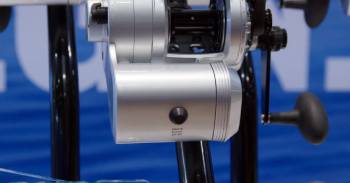
I remember the first time I headed out into the Gulf with the Penn Fathom Electric 50 kit; I am someone who has spent years tripping over power cords while trying to navigate a rocking boat deck.
I started by setting up for a deep-drop session at about 200 meters, and I noticed right away that the lack of a power cable completely changed my mobility; I could walk from the stern to the bow without a single worry about unplugging.
I found that the integrated 5Ah lithium-ion battery balances the reel surprisingly well, despite my initial concern that the extra weight might make the rod feel tip-heavy.
I eventually hooked into a stubborn bottom-dweller that felt like a wet sack of cement, and this is where the 40 lbs of winding power really showed its teeth.
I noticed that even under a heavy load, the brushless motor hummed along with a consistent, smooth torque that didn’t stutter or groan.
I am a person who enjoys a bit of tech, so I found the LED screen to be incredibly clear, even in direct midday sun, showing me exactly how much line was left to retrieve.
I realized that the “auto-stop” feature is a genuine game-changer; I could set it to halt a few feet from the rod tip, allowing me to focus on getting the gaff ready rather than staring at the spool.
I have now completed several trips using the Fathom Electric for both jigging and deep-dropping, and I realized that the battery swap is the only minor hurdle.
I noticed that the seals are very tight—which is great for keeping saltwater out—but it does make pulling the battery out a bit of a thumb-wrestling match when your hands are covered in fish slime.
I found that on a typical day of jigging at 150 meters, a single battery lasted me about four hours of active use.
I finished my most recent trip with zero shoulder pain, something I haven’t been able to say after a deep-sea venture in over a decade.
Maintenance Tips for Your Penn Fathom Electric Reel
- Rinse with a Low-Pressure Freshwater Mist: You should realize that high-pressure hoses can actually force salt and water past the IPX6 seals and into the electronics. Using a gentle spray is the best maintenance tip for the motor’s longevity, which I found effectively removes salt crystals from the spool and handle without damaging the sensitive LED display.
- Apply Penn Precision Grease to the Level Wind: You should notice that the worm drive and main shaft are exposed to the elements more than any other moving part. Smearing a thin layer of grease over the level wind system before every trip is the best maintenance tip for smooth operation, which results in a seamless line lay even when the motor is winding at top speed.
- Remove the Battery for Long-Term Storage: You should realize that leaving a battery inside the reel for months can lead to terminal corrosion or a slow parasitic drain. Keeping the battery in a cool, dry place at 50% charge is the best maintenance tip for lithium-ion health, which I found prevents the battery from losing its capacity over the off-season.
- Wipe Down the Battery Seals with Silicone: You should notice that the rubber gaskets on the battery door can become dry and brittle over time. Applying a small film of silicone-based lube to the seals is the best maintenance tip for waterproofing, which provides a much easier time when you need to swap batteries on a wet deck.
- Tighten the Drag Before Washing: You should realize that a loose drag allows water to seep between the washers and the spool. Engaging the lever drag fully before you start the cleaning process is the best maintenance tip for the Dura-Drag system, which results in a dry, grit-free drag stack that won’t skip when you hook a big fish.
- Check the Handle Kickback Mechanism: You should notice that the manual backup handle needs to engage instantly if the motor ever fails. Testing the manual override button periodically is the best maintenance tip for safety, which I found ensures you aren’t stuck with a fish in the deep if your battery unexpectedly runs out of juice.
Pros and Cons of the Penn Fathom Electric Reel
Pros of the Penn Fathom Electric Reel
- Cordless Freedom with Integrated Battery: The 5Ah lithium-ion battery is built right into the side of the reel: I found this eliminates the tripping hazards of traditional electric reels: this results in a much cleaner deck and more mobility: I noticed I could take the rod to different parts of the boat instantly without rewiring anything.
- Precision Dura-Drag System: It utilizes Penn’s legendary lever drag washers: I found the pressure to be incredibly consistent even during long, heat-generating runs: this provides a smooth transition from free spool to full drag: I noticed it handles hard-fighting species like tuna with much more finesse than a standard star drag.
- Brushless Motor with 40 lbs of Torque: The high-efficiency motor is designed for heavy lifting: I found it can retrieve at speeds up to 750 feet per minute: this results in less time waiting for your bait to come up: I noticed it has enough power to pull up heavy “chicken rigs” without breaking a sweat.
- Intelligent Auto-Stop and Line Counter: You can program the reel to stop automatically at a specific depth: I found this prevents the terminal tackle from slamming into the rod tip: this provides a hands-free experience for the final stages of the retrieve: I noticed the digital display is very intuitive and easy to calibrate for different line diameters.
- IPX6 Sealed Construction: Both the motor and the battery compartments are heavily protected against water: I found I could hose the reel down with confidence after a salty day: this results in a significantly longer lifespan for the internal electronics: I noticed the dual-seal system on the battery door is exceptionally robust.
Penn Fathom Electric Reel Cons: The analytical trade-offs:
- Noticeable Physical Weight: because of the battery and the heavy-duty motor housing: I found the reel feels quite substantial compared to its manual counterparts: this results in more arm fatigue if you are holding the rod for long periods: I noticed it is best used in a rod holder or with a harness for the best experience.
- Difficulty in Battery Removal: because the waterproof seals are designed to be extremely tight: I found it takes a significant amount of force to pull the battery pack out: this results in some frustration during mid-trip swaps: I noticed that a tiny bit of silicone grease on the seal helps, but it still requires a firm grip.
- Lack of Spool Tension Indicator: because the digital menu focuses on depth and speed: I found it hard to gauge exactly how much tension I was applying when spooling the line: this results in a bit of guesswork for the initial setup: I noticed that if you spool it too loosely, the braid can dig into itself under high pressure.
- Premium Price Point for Kits: because the technology is so specialized and includes the lithium-ion system: I found the initial investment is much higher than a standard Fathom II: this results in a higher barrier to entry for casual weekend anglers: I noticed you really need to buy at least one spare battery to feel truly comfortable on long trips.
- Motor Noise Levels: because it is a powerful 12V system moving heavy gears: I found the whirring sound is quite audible when retrieving at max speed: this results in a less “peaceful” fishing experience compared to manual winding: I noticed it’s not loud enough to scare fish, but it is certainly noticeable to everyone on the boat.
Comparison with Others
- Penn Fathom Electric Vs. Daiwa Tanacom 1200
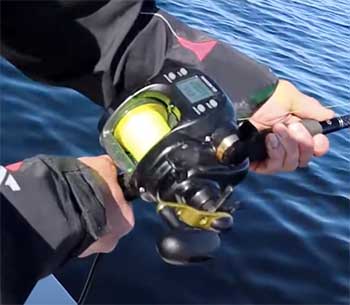
I found that the Daiwa Tanacom is the industry standard for deep-dropping, but it relies on a long, messy power cord connected to a 12V boat battery.
I noticed that the Penn Fathom Electric feels much more like a “real” fishing reel because it uses a lever drag rather than the Tanacom’s star drag.
You should realize that while the Tanacom has a higher line capacity for extreme depths, the Penn is the analytical winner for versatility and deck safety.
I found that the Penn’s cordless design makes it significantly easier to use on smaller boats where space is a premium.
- Penn Fathom Electric Vs. Shimano Forcemaster
I noticed that the Shimano Forcemaster is incredibly fast, but like the Daiwa, it is a tethered system that keeps you anchored to a specific spot.
I found that the Penn Fathom Electric’s IPX6 rating feels more substantial, especially when the spray starts flying over the gunwales.
You should realize that the Shimano has more “gadgety” features like auto-jigging modes, which the Penn lacks in favor of a simpler, more rugged interface.
I found that for pure reliability in harsh saltwater environments, the Penn’s full metal body gives me more confidence than the Shimano’s composite materials.
- Penn Fathom Electric Vs. Hooker Electric (Conversion)
I think Hooker Electric builds some of the most powerful motors in the world, but they are often bulky additions to existing reels.
I noticed that the Penn Fathom Electric is a “ground-up” design where the motor and battery are perfectly integrated into the frame.
You should realize that a Hooker conversion can cost twice as much as the Penn Fathom Electric kit.
I found that the Fathom is the better choice for the average angler who wants an all-in-one solution that works right out of the box without needing custom installation.
Also Read: My Experience With Trika Fishing Rod
Frequently Asked Questions (FAQs)
Under typical deep-dropping conditions (150-200m), a single 5Ah battery usually lasts between 3 to 4 hours of active fishing, though it can last all day if used for light jigging.
The “best” reel depends on your needs; the Penn Fathom Electric is best for cordless mobility and lever-drag precision, while the Daiwa Tanacom is better for high-capacity commercial deep-dropping.
Yes, it is specifically designed for saltwater with an IPX6-rated sealed body, full metal sideplates, and corrosion-resistant Dura-Drag washers.
Line capacity varies by size; for example, the Fathom 80 can hold approximately 1,775 yards of 65lb braid, while the smaller Fathom 30 holds about 850 yards of 40lb braid.
Final Thoughts
You should buy the Penn Fathom Electric reel if you are ready to embrace the cordless revolution and leave the tangled power cables in the past.
I have found that the sheer convenience of a built-in battery combined with Penn’s legendary durability makes this the smartest investment for modern deep-sea anglers.
However, you should stick to a traditional manual reel if you enjoy the physical challenge of the “grind” and want to save on the higher entry cost.
I believe your time on the water is valuable, and this reel lets you spend more of it fishing and less of it fighting your gear.
The depths are waiting; make sure you have the power to conquer them.