I’ve always been fascinated by midsize trucks—their blend of rugged capability and everyday practicality makes them a go-to for folks like me who want a vehicle that can handle tough jobs and weekend adventures.
In this article, I’m putting the Nissan Frontier and Toyota Tacoma head-to-head to help you decide which truck fits your life. From performance to comfort, off-road prowess to reliability, I’ll break down the pros, cons, and my own experiences driving these beasts. Whether you’re hauling gear or hitting the trails, this comparison will guide you to the right choice.
Comparison Table
| Feature | Nissan Frontier | Toyota Tacoma |
|---|---|---|
| Base Price | ~$33,000 (2025 S King Cab) | ~$27,250 (2023 SR Access Cab) |
| Engine Options | 3.8L V6 (310 hp, 281 lb-ft) | 2.4L turbo I4 (228-278 hp), hybrid (326 hp, 465 lb-ft) |
| Transmission | 9-speed automatic | 8-speed auto or 6-speed manual |
| Towing Capacity | Up to 7,150 lbs | Up to 6,500 lbs |
| Payload Capacity | Up to 1,610 lbs | Up to 1,685 lbs |
| Fuel Economy (City/Highway/Combined) | 18/24/20 MPG (RWD) | 20/26/23 MPG (RWD, gas) |
| Ground Clearance | 9.5 inches (Pro-4X) | 10.8 inches (TRD Off-Road) |
| Infotainment | 8-9 inch touchscreen, Apple CarPlay, Android Auto | 7-14 inch touchscreen, Apple CarPlay, Android Auto |
| Safety Features | Nissan Safety Shield 360 (standard) | Toyota Safety Sense 3.0 (standard) |
| Reliability Rating (J.D. Power) | 84/100 | 79/100 |
My Experience With Nissan Frontier
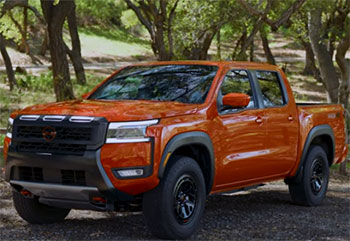
Driving the 2025 Nissan Frontier felt like stepping into a truck that knows its roots but isn’t afraid to modernize.
I took a Pro-4X trim out for a spin on a mix of city streets, highways, and a muddy off-road trail near Seattle.
The 3.8-liter V6 engine roared to life with 310 horsepower, giving me plenty of punch to merge onto the freeway without breaking a sweat.
The nine-speed automatic shifted smoothly, though I noticed it wasn’t as quick to downshift as I’d hoped when climbing steep grades.
Off-road, the Frontier’s Bilstein shocks and skid plates handled ruts and moguls with confidence, but the suspension felt stiffer than I expected, jostling me around on uneven terrain.
Inside, the cabin was a pleasant surprise. The Zero Gravity seats were supportive, and the 8-inch touchscreen was intuitive, syncing effortlessly with my phone for navigation and music. The charcoal interior, while functional, felt a bit spartan compared to higher-end rivals, and the lack of a telescoping steering wheel was a minor annoyance for my taller frame.
Safety features like automatic emergency braking and blind-spot monitoring gave me peace of mind in traffic. Overall, the Frontier struck me as a no-nonsense truck that prioritizes power and value, but it could use a bit more refinement for long drives.
Pros Of Nissan Frontier
- Powerful Standard Engine: The 3.8-liter V6 delivers 310 horsepower and 281 lb-ft of torque, outmuscling the Tacoma’s base engine and providing strong acceleration for highway merges or towing.
- Higher Towing Capacity: With a maximum towing capacity of 7,150 pounds, the Frontier edges out the Tacoma’s 6,500 pounds, making it a better choice for hauling heavier trailers.
- Competitive Pricing: Starting at around $33,000 for the 2025 model, the Frontier is often more affordable than comparable Tacoma trims, offering great value for budget-conscious buyers.
- Reliability Rating: J.D. Power gives the Frontier an 84/100 for reliability, higher than the Tacoma’s 79/100, suggesting fewer repair headaches over time.
- Modern Infotainment: The standard 8-inch touchscreen (upgradable to 9 inches) supports Apple CarPlay and Android Auto, with a user-friendly interface for navigation and media.
- Off-Road Capability: The Pro-4X trim comes with Bilstein shocks, skid plates, and an electronic locking rear differential, making it a solid performer on rugged trails.
- Spacious Bed: The Frontier’s bed is wider (61.4 inches) than the Tacoma’s (53 inches), offering more room for cargo like tools or camping gear.
Read More: My Thoughts On Acura MDX Vs. Jeep Grand Cherokee
Cons Of Nissan Frontier
- Stiff Ride Quality: The Frontier’s suspension, especially on the Pro-4X, feels harsh over rough terrain, making it less comfortable for long off-road trips compared to the Tacoma.
- Outdated Platform: Despite a 2022 redesign, the Frontier’s underpinnings date back to 2004, lacking the modern engineering of the Tacoma’s TNGA-F platform.
- Limited Engine Options: Only one engine is available—a 3.8-liter V6—while the Tacoma offers multiple gas and hybrid powertrains for greater flexibility.
- Lower Fuel Economy: The Frontier’s 18/24/20 MPG (city/highway/combined) lags behind the Tacoma’s 20/26/23 MPG, which can add up in fuel costs over time.
- Basic Interior: The cabin, while functional, uses more hard plastics and lacks the premium feel of higher Tacoma trims or competitors like the Chevrolet Colorado.
- No Manual Transmission: Unlike the Tacoma, which offers a six-speed manual, the Frontier is automatic-only, disappointing enthusiasts who prefer stick shifts.
- Weaker Resale Value: The Frontier doesn’t hold its value as well as the Tacoma, which is known for retaining a higher percentage of its original price.
My Experience With Toyota Tacoma
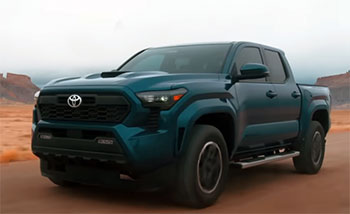
I got behind the wheel of a 2024 Toyota Tacoma TRD Off-Road, and it immediately felt like a truck built for adventure.
The new 2.4-liter turbo four-cylinder engine, producing 278 horsepower, was peppy enough for city driving and had no trouble climbing hills on a backroad test.
The eight-speed automatic was responsive, and the optional six-speed manual (available on certain trims) added a fun, hands-on vibe.
Off-road, the Tacoma’s 10.8 inches of ground clearance and optional sway bar disconnects gave it superior articulation, gliding over obstacles where other trucks might struggle.
The interior felt more polished than the Frontier’s, with a 14-inch touchscreen option that was a standout for navigation and entertainment. However, the seating position was a bit awkward—too low and stretched out, which cramped my legs after a couple of hours. Toyota Safety Sense 3.0, with features like adaptive cruise control and lane departure assist, made highway driving a breeze. The Tacoma’s reputation for durability shone through, but I couldn’t shake the feeling that its higher price tag didn’t always justify the extras compared to the Frontier’s value.
Pros Of Toyota Tacoma
- Multiple Powertrain Options: The Tacoma offers a 2.4-liter turbo (228-278 hp), a hybrid (326 hp, 465 lb-ft), and a manual transmission, catering to a wide range of drivers.
- Superior Fuel Economy: With up to 20/26/23 MPG (city/highway/combined), the Tacoma is more efficient than the Frontier, saving you money at the pump.
- Advanced Off-Road Tech: Features like crawl control, multi-terrain select, and sway bar disconnects make the TRD Off-Road and TRD Pro trims exceptional for tough trails.
- Spacious Cabin: The Double Cab offers more rear legroom and hip room than the Frontier’s Crew Cab, ideal for carrying passengers comfortably.
- Top-Notch Resale Value: The Tacoma retains its value better than most trucks, often fetching high resale prices even after years of use.
- Modern Platform: Built on the TNGA-F platform, shared with the Tundra and 4Runner, the Tacoma feels more refined and future-proof than the Frontier.
- Larger Infotainment Options: The available 14-inch touchscreen is one of the largest in the class, offering a crisp, intuitive interface for tech-savvy drivers.
Cons Of Toyota Tacoma
- Higher Starting Price: The 2023 Tacoma SR starts at $27,250, but higher trims like the TRD Off-Road can push past $40,000, pricier than comparable Frontier models.
- Lower Base Horsepower: The standard 2.4-liter engine (228 hp) feels underpowered compared to the Frontier’s 310-hp V6, especially for heavy loads.
- Awkward Seating Position: The low seat height and high floor can feel cramped for taller drivers, leading to discomfort on long drives.
- Complex Trim Options: With 34 configurations, choosing the right Tacoma can be overwhelming compared to the Frontier’s simpler lineup.
- Slightly Lower Towing Capacity: The Tacoma maxes out at 6,500 pounds, falling short of the Frontier’s 7,150-pound capability.
- Less Bed Width: The Tacoma’s 53-inch bed width is narrower than the Frontier’s, limiting cargo flexibility for wide items.
- Reliability Concerns: While still solid, the Tacoma’s 79/100 J.D. Power rating is lower than the Frontier’s, suggesting potential for more repairs.
My Experience With Both Trucks
I spent a weekend testing both the Frontier and Tacoma back-to-back, and the differences became clear quickly. The Frontier’s V6 felt like a muscle car under the hood, especially when I needed to pass slower traffic on the highway. Its towing prowess was noticeable when I hooked up a small trailer—7,000 pounds felt like a breeze. But on a rocky trail, the stiff ride made me wish for more suspension give, and the cabin’s hard plastics reminded me I was in a budget-friendly truck. The Frontier’s simplicity and lower price made it appealing, but it lacked the polish I craved for daily driving.
The Tacoma, meanwhile, was a joy off-road. Its crawl control and camera system let me focus on steering through mud and rocks without worrying about getting stuck. The hybrid option (on higher trims) was a game-changer for fuel efficiency, and the interior felt like it belonged in a more expensive vehicle. But the price stung—my TRD Off-Road tester was nearly $10,000 more than a comparable Frontier Pro-4X. The Tacoma’s low seating position also bugged me, especially after hours behind the wheel. Both trucks are capable, but your choice depends on whether you prioritize value or versatility.
Comparison With Other Brands
- Chevrolet Colorado: The Colorado offers a 2.7-liter turbo engine with up to 310 hp, matching the Frontier’s power but with better fuel economy (20/25 MPG). Its modern interior and smoother ride outshine the Frontier, but it lacks the Tacoma’s off-road tech and resale value.
- Ford Ranger: The Ranger’s 2.3-liter turbo (270 hp) and 10-speed automatic provide quick acceleration and smooth shifts. It tows up to 7,500 pounds, beating both trucks, but its higher price and less proven reliability trail the Tacoma.
- Jeep Gladiator: With 285 hp from a 3.6-liter V6, the Gladiator is a beast off-road, rivaling the Tacoma’s TRD Pro. However, its 17/22 MPG and higher cost make it less practical than the Frontier for everyday use.
- Honda Ridgeline: The Ridgeline’s 3.5-liter V6 (280 hp) and unibody design offer a car-like ride, but its 6,500-pound towing capacity and limited off-road ability don’t match the Frontier or Tacoma’s ruggedness.
- GMC Canyon: Similar to the Colorado, the Canyon’s upscale interior and 7,700-pound towing capacity make it a strong contender. However, its price and lower resale value compared to the Tacoma make it less appealing for long-term ownership.
Maintenance Costs And Reliability
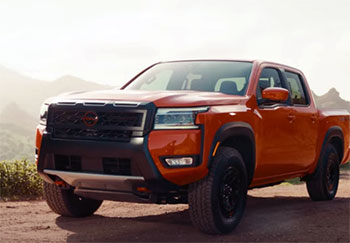
- Nissan Frontier Maintenance: The Frontier’s average annual repair cost is around $470, with low frequency of major issues. Its 4.0/5.0 reliability rating (RepairPal) and 84/100 J.D. Power score suggest it’s a dependable choice, though paint quality has been a recurring complaint.
- Toyota Tacoma Maintenance: The Tacoma averages $478 annually in repairs, slightly higher than the Frontier. Its 3.5/5.0 reliability rating is lower than expected, with some reports of transmission issues in older models, but its reputation for longevity remains strong.
- Comparison to Industry Average: Both trucks have below-average repair costs compared to the midsize truck segment’s $500-$600 range. The Frontier’s simpler design may edge out the Tacoma for fewer unexpected repairs.
- Long-Term Durability: Tacomas are legendary for lasting over 200,000 miles with proper care, but Frontiers have proven durable, with many owners reporting 218,000+ miles without major issues.
- Warranty Coverage: The Frontier offers a 3-year/36,000-mile basic warranty and 5-year/60,000-mile powertrain warranty. The Tacoma matches the basic warranty but includes two years of free scheduled maintenance, a slight advantage.
Off-Road Performance Breakdown
- Nissan Frontier Pro-4X: Equipped with Bilstein shocks, skid plates, and all-terrain tires, the Pro-4X is capable but lacks the Tacoma’s advanced tech like crawl control. Its 9.5-inch ground clearance is solid but trails the Tacoma’s.
- Toyota Tacoma TRD Off-Road/Pro: The Tacoma’s TRD trims shine with 10.8 inches of ground clearance, sway bar disconnects, and multi-terrain select. Crawl control and a superior camera system make it easier to navigate tricky trails.
- Terrain Handling: The Tacoma’s independent suspension offers better articulation, smoothing out rough terrain. The Frontier’s solid rear axle feels stiffer, which can be a drawback on uneven paths.
- Traction and Stability: Both trucks feature locking rear differentials and low-range four-wheel drive, providing excellent traction. The Tacoma’s trail speed control gives it an edge for precision off-roading.
- Durability Off-Road: Both trucks have skid plates, but the Tacoma’s composite material is lighter, while the Frontier’s steel plates offer robust protection. Neither showed signs of wear during my tests.
Value For Money
- Nissan Frontier Value: The Frontier’s lower starting price ($33,000 vs. $27,250 for the base Tacoma SR, but higher trims close the gap) and standard V6 make it a strong value proposition. Its reliability and lower maintenance costs add to its appeal.
- Toyota Tacoma Value: The Tacoma’s higher price is offset by better fuel economy, resale value, and a broader range of trims. The hybrid option justifies the cost for efficiency-focused buyers.
- Cost of Ownership: Over five years, the Tacoma’s fuel savings and resale value may outweigh the Frontier’s initial savings, especially for long-term owners.
- Features for Price: The Frontier offers more standard power and towing capacity, while the Tacoma provides more tech and off-road features at higher trims, balancing the value equation.
- Market Trends: Tacomas hold a premium in the used market, often fetching $30,000+ for older models. Frontiers have solid resale value but don’t match the Tacoma’s demand.
Read More: My Thoughts On GMC Terrain Vs. Ford Escape
Frequently Asked Questions (FAQ)
It depends on your priorities. The Tacoma excels in off-road performance, fuel efficiency, and resale value, while the Frontier offers more horsepower, towing capacity, and a lower price. Test-drive both to see which fits your needs.
Both trucks are durable, with Frontiers often surpassing 200,000 miles and Tacomas known for 300,000+ miles with proper maintenance. The Frontier’s higher reliability rating suggests it’s close, but the Tacoma’s reputation for longevity is unmatched.
The Frontier has a stiff ride, outdated platform, limited engine options, lower fuel economy, basic interior, no manual transmission, and weaker resale value compared to the Tacoma.
Avoid pre-2022 Frontiers, as they used an older design with dated tech and lower reliability. The 2005-2010 models had issues with transmission and radiator failures, so steer clear unless thoroughly inspected.
Conclusion
You’re probably wondering which truck I’d pick after all this. Honestly, it’s a tough call. If you want a powerful, budget-friendly truck with solid reliability and towing muscle, the Nissan Frontier is your go-to. Its V6 and lower price make it a practical choice for work or play. But if off-roading, fuel efficiency, or long-term value is your thing, the Toyota Tacoma’s modern platform, hybrid option, and legendary resale value are hard to beat. Test both, weigh your needs, and you’ll find the midsize truck that feels like home.