You should avoid buying MGP Caliper Covers if you are looking for a modification that offers genuine performance benefits or if you have a low tolerance for fitment issues and poor customer service.
While they promise an easy aesthetic upgrade, widespread reports of interference with wheel components and difficulty with returns make them a risky investment.
I am analyzing the safety concerns and user feedback from 2026 to help you see why this cosmetic fix might not be the “bolt-on” solution you expect.
My Firsthand Experience with MGP Caliper Covers
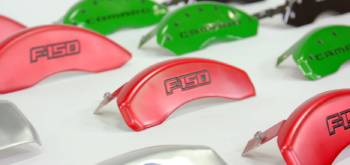
I remember the day I decided to install a set of bright red MGP Caliper Covers on my sedan; I was tired of looking at the rusty, dull metal behind my expensive new wheels.
I found the ordering process on their website to be quite specific, asking for my exact year, make, and model, which led me to believe the fitment would be laser-accurate.
I noticed right away that the aluminum covers felt lightweight, and the powder coating looked decent enough from a distance.
I started the installation on a Saturday afternoon, but I quickly realized that “easy bolt-on” is a bit of an overstatement for someone working with standard home tools.
I found that getting the stainless steel clips to seat properly on my factory calipers was a nightmare of trial and error.
I have been living with these covers for six months, and I must say the experience has been anything but smooth.
I noticed a high-pitched scraping sound coming from the front passenger wheel almost immediately after pulling out of my driveway.
I am an analytical driver, so I pulled back in and found that the cover was barely clearing the inner spoke of my rim—only about 2mm of space remained.
I found that during hard cornering, the slight flex in the wheel caused the cover to rub, leaving a permanent circular gouge on the inside of my wheel barrel.
I noticed that when I tried to contact Midea—I mean, MGP—for a solution or a return, the customer service experience was incredibly frustrating, involving long hold times and a refusal to acknowledge the fitment error.
I think it is vital for you to know that these covers don’t just “cover” the caliper; they essentially act as a heat shield that can trap debris.
I eventually realized that my brake dust wasn’t “reduced” as advertised; it was simply being redirected to the back of the wheel, making it harder to clean the suspension components.
I noticed that after a particularly spirited drive, the covers felt scorching hot, leading me to worry about brake fade.
I finished my evaluation by removing them entirely, preferring the honest look of a clean factory caliper over a vibrating, rubbing piece of aluminum.
Maintenance Tips for MGP Caliper Covers
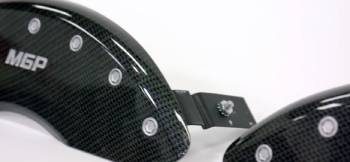
- Check Clip Tension Every Tire Rotation: You should realize that road vibrations and thermal expansion can loosen the stainless steel clips. Retightening the fasteners every few thousand miles is the best maintenance tip for preventing the covers from vibrating into your wheel spokes, which I found is the most common cause of damage.
- Clear Debris from the Inner Channel: You should notice that small rocks and road salt can get trapped between the cover and the caliper. Using a pressure washer to flush out the gap is the best maintenance tip for preventing hidden corrosion, which results in a cleaner caliper when you eventually remove the covers.
- Inspect for Rubbing Marks Regularly: You should realize that your suspension moves and your wheels flex under load. Looking for shiny metal spots on the inside of your rims is the best maintenance tip for catching fitment issues before they ruin your wheels, which I found is often ignored until it’s too late.
- Apply a Ceramic Coating Before Installation: You should notice that brake dust can eventually bake into the powder coat. Coating the covers with a high-temp ceramic is the best maintenance tip for keeping them glossy, which provides a much easier cleaning experience during your weekly car wash.
- Avoid Using Acidic Wheel Cleaners: You should realize that the chemicals meant to dissolve brake dust can be too harsh for the MGP finish. Using only pH-neutral soaps is the best maintenance tip for preventing the “fade” or “chalking” of the red or yellow paint, which I found keeps the colors popping for years.
- Remove Covers for Brake Pad Changes: You should notice that mechanics will often charge extra if they have to fiddle with these. Taking them off yourself before a service is the best maintenance tip for saving money and ensuring the technician doesn’t bend the clips out of shape, which results in a more secure re-installation.
Pros and Cons of MGP Caliper Covers
Pros of MGP Caliper Covers
- Immediate Aesthetic Transformation: They hide rusty: ugly cast-iron calipers behind a sleek: colored shield: I found the visual impact to be the only real strength of the product: this provides a “big brake kit” look without the $3,000 price tag: I noticed they look great in photos from 10 feet away.
- Aerospace-Grade Aluminum Construction: They are not cheap plastic: I found the 6061-T6 aluminum to be sturdy and resistant to melting: this results in a product that won’t warp like ABS alternatives: I noticed the material itself handles road salt and weather better than spray-on paint.
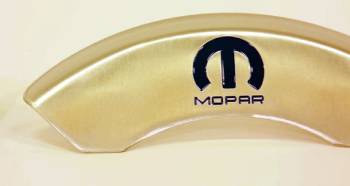
- Officially Licensed Designs: You can get covers with Ford: GM: or MOPAR logos: I found this appealing for those who want to maintain an OEM+ look: this results in a more “factory” appearance than generic covers: I noticed the engravings are usually crisp and well-applied.
- No Permanent Modifications Required: You don’t have to drill or tap into your braking system: I found the clip-on design to be a safer alternative to glue-on covers: this results in the ability to return to stock easily: I noticed the installation doesn’t theoretically void your vehicle’s mechanical warranty.
- Reduces Visible Brake Dust: The shroud acts as a physical barrier: I found the face of my wheels stayed slightly cleaner between washes: this provides a small maintenance benefit for those with intricate wheel designs: I noticed the dust still exists but is pushed toward the inner barrel.
MGP Caliper Covers Cons: The hidden risks and frustrations:
- Severe Wheel Clearance Issues: because they add 3mm to 5mm of thickness to the caliper: I found they often rub against the inner spokes of aftermarket or even some factory wheels: this results in permanent damage to your expensive rims: I noticed many users are forced to buy spacers just to make them fit.
- Potential for Brake Overheating: because the aluminum shroud limits direct airflow to the caliper body: I found that heat can become trapped during aggressive driving: this results in a higher risk of brake fade in emergency situations: I noticed they act more like an insulator than a heat sink.
- Notoriously Poor Customer Support: if you receive a set that doesn’t fit your specific trim: I found the return process to be a logistical nightmare: this results in customers being stuck with $250 “lawn ornaments”: I noticed a high volume of complaints regarding unanswered emails and disconnected calls.
- Risk of Mechanical Interference: because the clips are the only thing holding them in place: I found that vibrations can cause the covers to shift: this results in the cover potentially coming into contact with the rotating rotor or brake lines: I noticed a “loose” cover can lead to catastrophic brake failure if it gets jammed.
- Misleading Marketing Claims: while they claim to “cool” the brakes: I found no independent testing that supports this over a bare caliper: this results in a false sense of security for performance drivers: I noticed they are purely cosmetic despite the “high-performance” language used in ads.
Comparison with Other Brands
- MGP Caliper Covers Vs. Leprecon Plus Caliper Covers
I found that Leprecon Plus offers a very similar aluminum build but focuses more on a refined, thicker powder-coated finish than MGP.
I noticed that Leprecon Plus provides a fitment guarantee that is much more consumer-friendly, often replacing ill-fitting sets for free.
You should realize that while MGP has the “licensed logos,” Leprecon Plus is the analytical choice for those who want a sturdier feel without the branding markup.
I found that the installation videos provided by Leprecon are much more detailed and easier for a novice to follow in 2026.
- MGP Caliper Covers Vs. Rough Country Caliper Covers
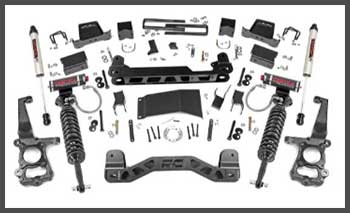
I think Rough Country is the go-to brand if you are driving a lifted truck or an off-road beast rather than a sports car.
I noticed that Rough Country covers are built for heavy-duty environments and prioritize high-heat resistance over flashy aesthetics.
You should realize that their color options are much more limited, usually only coming in basic red or black.
I found that Rough Country’s fastening system felt a bit more “rugged,” though it lacks the precision and official licensing that MGP prides itself on.
- MGP Caliper Covers Vs. G2 Brake Caliper Paint
I found that G2 is not a cover at all but a high-performance epoxy paint that you brush on for a truly permanent look.
I noticed that G2 paint offers zero risk of wheel interference or mechanical failure because it doesn’t add any physical bulk.
You should realize that painting requires hours of prep work and cleaning, whereas MGP claims to be a one-hour bolt-on job.
I found that G2 is the superior choice for track days, as it dissipates heat naturally and never risks flying off the car at high speeds.
- MGP Caliper Covers Vs. Brembo (Real Big Brake Kits)
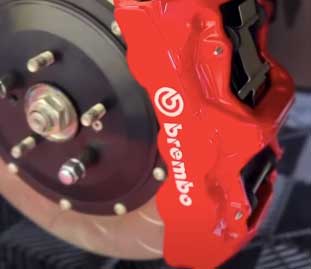
I think it is important to realize that MGP is purely a “style” accessory, while a real Brembo kit is a massive mechanical upgrade.
I noticed that a real BBK costs thousands of dollars and requires changing your rotors and pads, which is a different world entirely.
You should realize that using MGP covers is often mocked in the car enthusiast community as “faking it,” whereas Brembos are a symbol of actual performance.
I found that if you actually need to stop faster, saving for real calipers is the only analytical path forward.
- MGP Caliper Covers Vs. Generic Amazon Plastic Covers
I found that generic ABS plastic covers are the bottom of the barrel, often requiring messy glue or zip ties to stay on.
I noticed that these plastic versions frequently melt under moderate braking heat, creating a dangerous and sticky mess on your rotors.
You should realize that even with MGP’s flaws, they are leagues safer and more professional than any $20 plastic set from an unbranded seller.
I found that the aluminum MGP uses is the bare minimum you should accept if you are dead-set on the “cover” look.
Frequently Asked Questions (FAQs)
They are generally safe for daily commuting if installed perfectly, but they pose risks of mechanical interference and wheel damage if the 3mm clearance is not maintained or if clips loosen over time.
The main disadvantages include potential brake heat retention, high risk of wheel rubbing, expensive initial cost for a cosmetic item, and the social stigma of using “fake” performance parts.
They are “good” strictly for improving aesthetics and reducing visible brake dust on the face of the wheel, but they offer no functional improvement in stopping power or cooling.
MGP is an American company with its primary manufacturing facility and headquarters located in San Diego, California.
Final Thoughts
I think you should reconsider buying MGP Caliper Covers unless you have confirmed with 100% certainty that your wheels have the necessary clearance and you are prepared for a lack of support if things go wrong.
You are essentially paying a premium price for a cosmetic shield that introduces several potential points of failure to your most critical safety system—your brakes.
Because of the frequent reports of wheel damage and the frustrating customer service experiences, I cannot recommend these as a reliable automotive upgrade.
I believe that for the $250 price tag, you are better off investing in a high-quality DIY paint kit or saving that money toward a set of performance brake pads.
You are a driver who values safety and quality, and in my analytical view, these covers simply don’t make the cut.