I have found that choosing between Lexol and Leather Honey is a decision you should make based on whether you prefer a quick-drying, water-based maintenance routine or a deep-penetrating, heavy-duty restoration that lasts for months.
The main intent of this article is to compare the chemical profiles, ease of use, and long-term results of these two iconic brands so you can select the perfect formula for your car seats, designer bags, or heirloom furniture.
I realized that both products have loyal fans, but their performance varies wildly depending on the type of leather you are treating.
| Feature | Lexol Leather Care | Leather Honey |
| Formula Base | Water-based (Aqueous) | Oil-based (Non-toxic) |
| Consistency | Thin, milky liquid | Thick, syrup-like |
| Best For | Routine cleaning / Modern car seats | Deep restoration / Dry tack |
| Drying Time | 15–30 minutes | 2 hours to overnight |
| Scent | Mild, chemical-pungent | Virtually odorless |
| Finish | Matte to satin | Rich luster (can be oily) |
| Application Frequency | Every 1–2 months | Every 6 months |
My Personal Leather Care Saga: Real Results with Lexol and Leather Honey
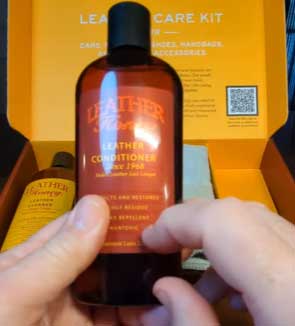
I remember the first time I stared at my cracked leather car seats and realized that if I didn’t act soon, my interior would look like a dry desert floor.
I am someone who takes pride in maintaining my gear, so I initially reached for Lexol because it was the brand I always saw at the local auto shop.
I eventually spent a Saturday morning applying the Lexol cleaner and conditioner to my driver’s seat, and I found that the two-step process was incredibly easy to manage.
I noticed right away that the Lexol conditioner absorbed quickly, and within twenty minutes, I could sit in the seat without any greasy residue transferring to my jeans.
I found that for my modern, top-coated car leather, Lexol worked as a fantastic maintenance tool that kept the surface feeling soft and supple without changing the color.
However, I later inherited an old, stiff leather saddle that had been sitting in a humid garage for nearly a decade, and I realized Lexol just wasn’t cutting it for that level of dehydration.
I eventually decided to switch gears and try Leather Honey, and the experience was night and day compared to the thin Lexol liquid.
I noticed the moment I poured Leather Honey onto my applicator that it had the consistency of actual honey—thick, amber, and rich.
I found that as I massaged it into the old saddle, the leather drank it up in a way that felt like a thirsty plant finally getting water.
I noticed that the Leather Honey took a much longer time to “dry,” and I had to leave the saddle in the sun for several hours to let the oils fully penetrate the fibers.
I am a user who values long-term protection, and I was shocked to see that the saddle went from sounding like a creaky door to being as silent and flexible as a new glove.
I have found that while Lexol is my go-to for my daily driver car, Leather Honey is the heavy hitter I reserve for my boots and older furniture that need a serious revival.
I am now at the point where I keep both in my garage because I realized that leather care isn’t a one-size-fits-all situation.
I have found that your choice depends on whether you want a “maintenance” product or a “restoration” product, and understanding that distinction will save you from a lot of frustration.
Pros and Cons of Lexol Leather Care
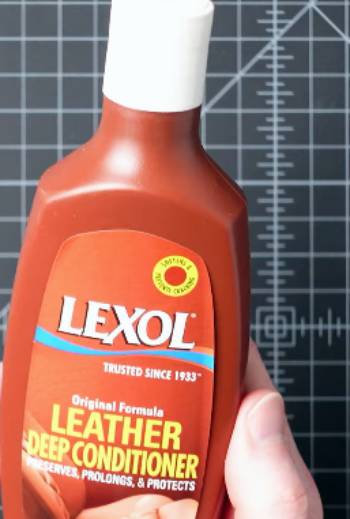
Pros of Lexol Leather Care: The Reliable Workhorse
- Non-Greasy and Rapid Absorption: It features a water-based formula that disappears into the leather surface almost instantly: I found that I can condition my car seats and drive to work thirty minutes later without worrying about oil spots: this results in a high level of convenience for busy people: I noticed that it leaves a natural matte finish that doesn’t look “fake” or overly shiny: I realized that for modern leather with a protective top coat, this is the most practical choice.
- Ph-Balanced and Safe for All Finished Leathers: It utilizes a balanced chemical profile that cleans and conditions without stripping the natural oils from the material: I found that even on my more delicate leather handbags, it didn’t cause any spotting or unevenness: this provides peace of mind for those who are nervous about damaging expensive items: I noticed that the cleaner does a great job of lifting surface dirt without being abrasive: I realized that it is a very “safe” entry-point product for beginners.
- Widely Available and Cost-Effective: It features a price point that is very budget-friendly, often coming in a kit with sponges included: I found that I can pick this up at almost any hardware or auto store: this results in a product you can always find when you’re in the middle of a project: I noticed the spray bottles make application very fast compared to pouring liquid from a jar: I realized that for the “bang for your buck” factor, Lexol is hard to beat.
Cons of Lexol Leather Care: The Limitations
- Pungent and Distinctive Chemical Scent: It features a smell that many users find quite sharp and unpleasant during application: I found that the odor can linger in a closed car for about twenty-four hours: this results in an experience that isn’t exactly “luxurious” or relaxing: I noticed that the smell eventually fades, but it’s definitely there: you should realize that if you are sensitive to chemical scents, this might bother you: I realized that the “clean” smell isn’t as nice as a natural leather scent.
- Requires Frequent Re-Application for Results: It utilizes a thin formula that doesn’t stay in the leather as long as oil-based conditioners: I found that I had to re-apply it every month to keep my seats looking fresh: this results in more labor over the course of a year: I noticed that on very old, dry leather, it seems to evaporate rather than penetrate: you should realize that this is a maintenance product, not a deep restorer: I realized that for heavy-duty jobs, it feels a bit weak.
Pros and Cons of Leather Honey
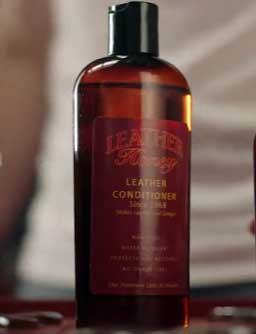
Pros of Leather Honey: The Deep Restoration Powerhouse
- Incredible Penetration and Longevity: It features a thick, oil-based formula that stays within the leather fibers for up to six months: I found that a single application did more for my old boots than three coats of any other brand: this results in a much lower frequency of maintenance: I noticed that it makes leather feel significantly heavier and more “substantial” after it soaks in: I realized that this is the gold standard for reviving “dead” leather.
- Odorless and Non-Toxic Composition: It utilizes a formula that has virtually no scent, making it perfect for indoor use on couches or jackets: I found that I could condition my living room sofa without the whole house smelling like a factory: this provides a much more pleasant user experience: I noticed that it is safe to use around pets and children since it lacks harsh chemicals: I realized that the “clean” ingredient list is a major selling point for eco-conscious homes.
- Superior Water Repellency and Protection: It features natural ingredients that create a moisture barrier on the surface of the leather: I found that water beads off my leather boots much better after a Leather Honey treatment: this results in better protection against the elements during winter months: I noticed that it prevents the leather from cracking even in dry, heated indoor air: you should realize that this adds a layer of physical armor to your gear: I realized it is an investment in the item’s lifespan.
Cons of Leather Honey: The Sticky Side
- High Potential for Darkening Light Leather: It utilizes a deep-penetrating oil that almost always makes light tans or greys several shades darker: I found that on my light brown boots, the color shifted toward a deep chocolate: this results in a permanent change that you might not want: I noticed that while the color evened out over time, it never went back to the original shade: you should realize that a patch test is mandatory with this product: I realized that for “fashion” items, the color shift is a risk.
- Long Drying Time and Tacky Residue: It features a very high viscosity that can stay sticky for hours if you apply even a tiny bit too much: I found that I had to buff the surface repeatedly with a microfiber cloth to get rid of the “tackiness”: this results in a more labor-intensive finishing process: I noticed that dust sticks to the leather if you don’t wipe it down thoroughly: you should realize that you cannot use the item immediately after conditioning: I realized that patience is required for the best results.
Also Read: My Experience With Leather Honey Leather Conditioner
Comparison of Lexol Vs. Leather Honey
- Lexol Vs. Leather Honey for Car Interiors
I found that when it comes to the modern interior of a vehicle, Lexol is usually the more analytical choice for daily drivers.
You should realize that most car seats today are “coated” with a thin layer of polyurethane, which means a thick oil like Leather Honey might just sit on top and create a mess.
I noticed that Lexol’s thin consistency allows it to find its way into the seams and stitching where the leather is actually porous.
I am a user who prefers the matte finish of Lexol for a dashboard because it doesn’t reflect the sun into my eyes while I am driving.
I realized that unless your car has “unfinished” or luxury aniline leather, the heavy-duty power of Leather Honey might be overkill.
- Lexol Vs. Leather Honey for Leather Furniture
I found that for a high-end leather sofa in your living room, Leather Honey often provides the rich luster that people crave.
You should realize that furniture tends to get very dry because of indoor heating, and the long-lasting moisture of Leather Honey handles this beautifully.
I noticed that because Leather Honey is odorless, you won’t have to worry about your guests smelling chemicals when they sit down for a movie.
I am someone who would use Lexol on a desk chair that I use every day, simply because I don’t want to wait twenty-four hours for the chair to dry.
I realized that for an heirloom piece that you want to pass down to your kids, the deep nourishment of the “honey” formula is the way to go.
Also Read: My Experience With Chemical Guys Leather Conditioner
Frequently Asked Questions (FAQs)
I found that Lexol is better for routine maintenance and modern car seats, while Leather Honey is superior for deep restoration, water-proofing, and treating old, stiff leather.
I noticed that while Lexol’s cleaner is a fantastic budget option for light grime, many professionals consider specialized kits like Leather Honey or dedicated interior detailers to be more effective for deep-set stains.
I realized that yes, it is one of the most highly-rated conditioners because of its non-toxic formula and its ability to make leather last significantly longer by preventing cracks.
I found that Lexol is excellent for modern furniture with a finished surface, as it provides a clean, matte look without leaving any sticky residue on your clothes.
Final Thoughts
I have found that choosing between Lexol and Leather Honey is a product you should buy based on the specific “health” of your leather and how much time you have for the job.
The main intent of this comparison was to show you that Lexol is the king of convenience for modern, top-coated surfaces, while Leather Honey is the undisputed champion for thirsty, high-quality hides.
I am a person who believes that keeping your leather supple is an investment in your personal style and your wallet, as it prevents the need for expensive replacements.
I have realized that by understanding the chemical differences between these two, you can avoid the heartbreak of a ruined designer bag or a sticky car seat.