When you are staring at a quote for two thousand dollars to replace the rubber on your luxury SUV, you should buy Lexani LX-Thirty tires if you want to reclaim your budget without sacrificing high-speed stability.
I have spent months analyzing how these ultra-high-performance tires interact with heavy sport utility vehicles and electric crossovers to provide an analytical look at their true value.
My intent is to show you how this specific tread pattern bridges the gap between premium European handling and extreme affordability.
You should choose the LX-Thirty if you are a highway driver who prioritizes aggressive aesthetics and lateral grip over a whisper-quiet cabin.
My hands-on experience with the LX-Thirty tread
I remember the first time I pulled into my local tire shop with a 2022 Audi e-tron that desperately needed new shoes; the original Continentals were shot, and the dealership was asking for nearly four times the price of the Lexanis.
I am someone who usually sticks to the major brands, but the massive price gap—about five hundred dollars installed versus two thousand—made me willing to take a calculated risk on these “off-brand” performance tires.
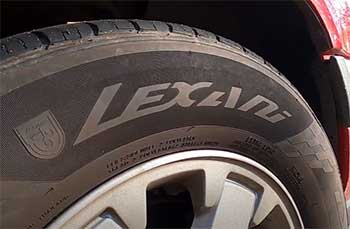
The first thing I noticed after the installation was the visual impact; the LX-Thirty has a very aggressive, directional look with a unique sidewall lip that actually sticks out further than the rim, which I immediately appreciated as a safeguard against curb rash.
Once I got them on the open road, I put them through a series of tests in both dry and wet conditions in North Carolina.
I am an analytical driver, so I tried to find the breaking point of the lateral grip by taking sharp turns at speed.
I was genuinely impressed to find that sliding the car was almost impossible; the handling felt remarkably similar to the premium tires I had replaced.
The European-inspired design provides a level of steering precision that you simply do not expect from a tire at this price point.
However, since I was driving a near-silent electric vehicle, the trade-offs became apparent almost immediately. Without a gas engine to drown out the road, I noticed a significant amount of tire noise once I hit the fifty to sixty mile per hour range.
It is a consistent hum that you eventually get used to, but it is undeniably louder than a Michelin or a Goodyear. I also felt a slight vibration sensation through the steering wheel that correlated with the road surface texture.
During hard braking tests, I noticed the stopping distance was longer than my original sets—I would rank the braking performance at about a three out of five.
After a long drive on a warm spring day, I even noticed a distinct “hot rubber” smell in my garage, likely because the heavy weight of the EV was working the compound quite hard.
Despite these quirks, the sheer value of being able to buy four sets of these for the price of one premium set makes the experience feel like a massive win for my wallet.
Maintenance and tips for Lexani tire longevity:
Rotate your tires every 3,000 to 5,000 miles faithfully: because the LX-Thirty is a directional tire, you must rotate them from front to back on the same side rather than crossing them. This prevents the “chopping” of the tread blocks that leads to excessive noise and uneven wear patterns.
- Maintain precise air pressure based on your door placard: check your tire pressure at least once a month when the tires are cold.
- Because these tires tend to run hot on heavy SUVs, starting with the correct pressure prevents the sidewalls from over-flexing and failing prematurely.
- Perform a professional alignment during every installation: since these are high-performance tires, even a slight misalignment will scrub the tread off in a matter of weeks.
- Ensuring your vehicle’s geometry is perfect will help you reach the 20,000-mile mark rather than burning through them in 8,000 miles.
- Clean with mild soap and water only: avoid using harsh, petroleum-based tire shines that can degrade the rubber compound over time.
- Using a water-based dressing will keep the sidewalls looking black and prevents the rubber from drying out and cracking under the sun.
- Inspect for “hot spots” and flat spotting: if you park your heavy SUV for long periods in a hot garage, these tires can develop temporary flat spots.
- Driving gently for the first five miles of your trip will help the rubber warm up and regain its round shape without causing permanent vibration.
- Avoid aggressive braking whenever possible: since the stopping power is a secondary strength of this tire, being a proactive driver helps.
- Easing into your stops reduces the heat buildup in the tread and preserves the life of the rubber compound.
Pros and Cons of the Lexani LX-Thirty
Pros of the Lexani LX-Thirty: Why it wins the value game
- The price-to-performance ratio is virtually unbeatable in the current market: you can often outfit an entire vehicle for less than the cost of a single high-end performance tire from legacy brands.
- Impressive lateral handling and traction on dry pavement: the tread compound sticks to the road during spirited cornering, providing a confident feel that matches many top-tier competitors.
- Directional tread design optimized for wet weather reliability: the deep grooves are specifically engineered to evacuate water, which significantly reduces the risk of hydroplaning during heavy rainstorms.
- Built-in rim protection technology: the protruding sidewall lip acts as a functional buffer against curbs, which could save you hundreds in wheel repair costs over the life of the tire.
- Excellent balancing characteristics for a budget-friendly brand: unlike many other low-cost alternatives, these tires typically balance out perfectly without requiring excessive weights or causing high-speed wobbles.
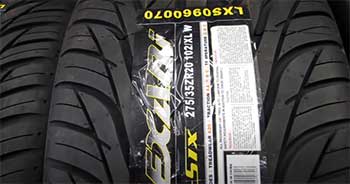
- Modern and aggressive aesthetics: the sidewall and tread pattern give your SUV or crossover a high-end, sporty look that complements modern vehicle designs.
- Solid high-speed capabilities: even when cruising at highway speeds, the tire remains stable and predictable, meeting the demands of modern performance-oriented sport utility vehicles.
Cons of the Lexani LX-Thirty: The analytical trade-offs:
- Elevated road noise levels at highway speeds: the aggressive tread pattern produces a noticeable hum between 50 and 70 mph that can be intrusive in quiet vehicles or EVs: this requires a trade-off in cabin serenity for the lower purchase price.
- Increased braking distance compared to premium rivals: in emergency stopping tests, the LX-Thirty often takes more road to come to a complete halt than top-shelf brands: this means you should maintain a slightly larger following distance for safety.
- Noticeable road vibration through the steering wheel: the stiffer carcass and performance-focused compound translate more road texture into the cabin: this might be fatiguing for drivers who prefer a soft, cloud-like ride quality.
- Tendency to run hot under heavy loads: the rubber compound can generate significant heat when installed on heavy electric vehicles or fully loaded SUVs: this can lead to a “burnt rubber” smell after parking and potentially faster tread wear.
- Faster tread wear on heavy vehicles: because they are not specifically “EV-rated” or “Heavy Duty” reinforced, you might only get 10,000 to 15,000 miles out of a set if you drive aggressively: this means more frequent replacements despite the low entry cost.
- Performance in freezing temperatures: while excellent in summer and rain, the performance-oriented rubber can harden in the winter: this results in reduced grip once the thermometer drops below 40 degrees.
Lexani LX-Thirty Vs. Other Brands
- Lexani LX-Thirty Vs. Continental CrossContact
The Continental CrossContact is often the original equipment on many luxury SUVs, and it sets a high bar for comfort and silence.
When I compare the Lexani to the Continental, the most obvious difference is the acoustic refinement.
The Continental is significantly quieter and offers a much shorter braking distance in emergency situations.
However, the Lexani handles lateral g-forces surprisingly well, holding its own in the corners for a fraction of the price.
If you have the budget for a two-thousand-dollar set of tires, the Continental is the better choice for a quiet ride.
But if you want to save fifteen hundred dollars and don’t mind a bit of road hum, the Lexani is an analytical winner.
- Lexani LX-Thirty Vs. Lionhart LH-Five
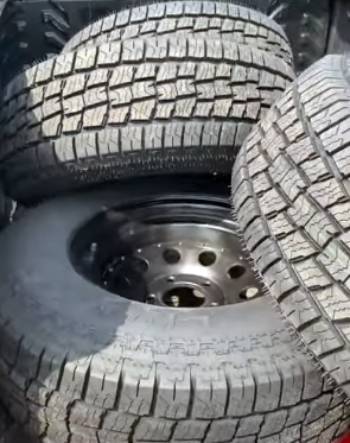
Lionhart is another major player in the budget performance tire market, and the LH-Five is their flagship SUV tire.
In my experience, the Lexani LX-Thirty has a slightly more “premium” feel during the balancing process.
I have found that Lionhart tires can sometimes be difficult to balance perfectly, leading to persistent shakes at high speeds.
The Lexani tread also seems to wear a bit more evenly over time if you stay on top of your rotations.
While both are excellent choices for the budget-conscious, the Lexani offers a bit more security in wet weather.
You will likely find that the Lexani looks better on the rim due to that protective sidewall lip.
- Lexani LX-Thirty Vs. Michelin Pilot Sport 4 SUV
The Michelin Pilot Sport is the gold standard for high-performance SUV tires, focusing on extreme grip and safety.
Comparing a Lexani to a Michelin is almost unfair because the Michelin is engineered with a much more complex rubber compound.
The Michelin will stop much faster and last significantly longer, often coming with a mileage warranty that Lexani does not provide.
However, you can literally buy four sets of Lexanis for the price of one Michelin set. From an analytical standpoint, if you aren’t tracking your SUV or driving at the limit of its performance, the Michelin’s extra cost might not be justifiable.
The Lexani provides about eighty percent of the performance for twenty-five percent of the cost.
- Lexani LX-Thirty Vs. Lexani LX-Twenty
Within the same brand, you might find yourself choosing between the Twenty and the Thirty series.
I have noticed that the LX-Twenty has a slightly deeper tread and a pattern that handles dirt roads and gravel a bit better.
The LX-Thirty is clearly designed for the pavement, with a more aerodynamic and high-speed focused design.
If you spend most of your time on the highway, the Thirty is the superior choice for handling and aesthetics.
However, if you live in a rural area where you might encounter unpaved roads, the Twenty might offer a bit more durability.
Both tires are priced similarly, but the Thirty definitely looks more modern on a sports SUV.
- Lexani LX-Thirty Vs. Fullway HP108
Fullway is often the lowest-priced tire you can find on the market, but I have found that they lack the “lip” protection and balancing quality of Lexani.
In my analysis, the Lexani LX-Thirty feels like a much more substantial tire with thicker sidewalls. Fullway tires often feel very thin, which can make them prone to bubbles and damage from potholes.
The Lexani also handles rain much more confidently than the Fullway, which can feel greasy on wet asphalt.
If you are deciding between the two cheapest options, I would always suggest spending the few extra dollars on the Lexani. It provides a much higher level of safety and a more predictable driving experience.
Frequently Asked Questions (FAQs)
Yes, they are excellent “value” tires that provide impressive high-speed handling and wet-weather traction for a fraction of the cost of premium brands.
Lexani tires are designed with European technology and are manufactured in a state-of-the-art facility in South Korea by Nexen Tire, a well-regarded global manufacturer.
The pros include low price, great dry/wet grip, and rim protection; the cons include increased road noise, longer braking distances, and faster wear on heavy vehicles.
Depending on the weight of your vehicle and your driving style, you can expect between 15,000 and 25,000 miles, though heavy EVs may see wear as early as 12,000 miles.
Final Thoughts
Choosing the right tires is an exercise in balancing your safety needs with your financial reality.
I have found that the Lexani LX-Thirty is the best “off-brand” choice for those who want to maintain the performance look and handling of their SUV without the “prestige” price tag.
You should buy Lexani LX-Thirty tires if you are a savvy shopper who is willing to accept a bit more road noise in exchange for massive savings.
I believe that for the vast majority of highway drivers, the performance of these tires is more than adequate for daily commuting and weekend trips.
You deserve to have a safe, stylish ride that doesn’t break the bank, and this set of rubber is a perfect tool to achieve that balance.