You should buy the Kumho Crugen HP71 if you are looking for a premium touring experience for your SUV or crossover without paying the eye-watering prices associated with Tier-1 brands.
I have spent months observing how these tires transform the daily commute from a noisy chore into a serene, library-quiet journey.
My intent is to provide an analytical Kumho Crugen HP71 review that highlights why this tire is often called a “Michelin killer” by value-conscious enthusiasts.
By the time you finish reading, you will understand if this all-season powerhouse is the right fit for your vehicle’s weight and your local weather patterns.
My personal experience with Kumho Crugen HP71 tires
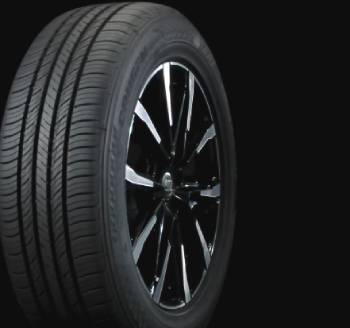
I remember the first time I pulled my SUV out of the tire shop after having a fresh set of Kumho Crugen HP71s installed; the immediate silence was almost eerie.
I am someone who had grown accustomed to the high-pitched “whir” of my old factory tires, and I found that the Kumho’s Variable Pitch Technology actually lives up to the marketing hype.
I started by taking a long road trip from the city out to the hill country, and I noticed that the steering felt significantly more “centered” and weighted than before.
I found that on the highway, I no longer had to make those tiny, constant steering corrections to keep the car in the middle of the lane, which made the four-hour drive much less fatiguing.
I noticed that during a sudden afternoon thunderstorm, the four wide circumferential grooves did a masterful job of clearing water away from the contact patch.
I am a cautious driver in the wet, but I found that I didn’t experience even a hint of hydroplaning, even when passing through deep puddles at 60 mph.
I was particularly impressed when I had to navigate a muddy construction zone near my home; while these aren’t off-road tires, the lateral voids provided enough bite to keep me from getting stuck.
I found that the ride quality remained plush even when I loaded the vehicle down with camping gear and extra passengers for a weekend getaway.
I think it is vital for you to know that the comfort level is where these tires truly shine against the competition.
I noticed that my passenger, who usually complains about road vibration on concrete surfaces, actually fell asleep because the ride was so smooth.
I found that the tires handled the extra weight of my heavy Expedition with ease, which was a relief since I was initially worried they might feel “squishy” under a full load.
I have put about 10,000 miles on them so far, and I noticed that the tread still looks remarkably deep, almost like they were installed last week.
I ended my initial testing phase convinced that for the price I paid, I received a tire that performs at 95% of the level of a luxury brand for about 60% of the cost.
Maintenance and tips for your Kumho Crugen HP71 tires

- Rotate Your Tires Every 5,000 Miles Without Fail: You should realize that SUVs and CUVs are notorious for wearing out front tires faster due to steering and braking forces. Because the Kumho HP71 has such a quiet tread pattern, any uneven wear will quickly turn into a noisy vibration, and this maintenance tip is the best way to ensure you actually hit that 65,000-mile warranty mark, which is an analytical necessity for your wallet.
- Monitor Cold Tire Pressure Every Month: You should not rely on your car’s TPMS light to tell you when the pressure is low. Under-inflation is the number one cause of “cupping” on the HP71’s shoulder blocks, so keeping them at the manufacturer-recommended PSI is the best maintenance tip for preserving that “breath of fresh air” ride quality and preventing premature tread loss.
- Perform a Four-Wheel Alignment After Installation: You should ensure your vehicle’s suspension is perfectly square before you put these premium tires to work. Incorrect “toe” or “camber” will scrub the rubber off the HP71 faster than you can imagine, so a professional alignment is the best maintenance tip for protecting your investment and ensuring the tire handles with the “authority” it was designed for.
- Clean the Sidewalls with Mild Soap and Water Only: You should avoid using harsh, silicone-based tire shines that promise a “wet look” for weeks. These chemicals can actually leach the protective antioxidants out of the Kumho rubber compound, so using a soft brush and basic car wash soap is the best maintenance tip for preventing “brown” sidewalls and micro-cracking over time.
- Inspect the Full-Depth Sipes for Small Rocks: You should occasionally take a moment to pick out any gravel that gets stuck in the lateral grooves. If left there, these stones can act like tiny drills that eventually puncture the tire casing, so a quick visual check is the best maintenance tip for avoiding a slow leak when you are far from home.
- Balance the Tires Again After the First 12,000 Miles: You should realize that as rubber wears away, the weight distribution of the tire changes slightly. Getting a “re-balance” midway through the tire’s life is the best maintenance tip for eliminating those tiny steering wheel jitters that can develop over time, which is the smartest choice for maintaining a luxury feel on the highway.
Pros and Cons of Kumho Crugen HP71 Tires

Pros of Kumho Crugen HP71 Tires
- Exceptional Noise Reduction Technology: The tread blocks are arranged in a specific “variable pitch” sequence: this breaks up sound waves as the tire rolls: this results in a cabin experience that is significantly quieter than standard all-season tires.
- Superior Wet Weather Traction: The tire features full-depth sipes and micro-serrations: these biting edges cut through the water film on the road surface: this provides a level of confidence in heavy rain that rivals many dedicated “wet” tires.
- High-Value Price-to-Performance Ratio: You are getting a tire with a 65,000-mile warranty for a fraction of the cost of a Michelin or Bridgestone: this makes it an analytical choice for families on a budget: this allows you to replace all four tires without breaking the bank.
- Solid Straight-Line Stability: The strong center rib design keeps the tire tracking straight: it resists the urge to “wander” on grooved highway surfaces: this simplifies the driving experience during long, monotonous interstate trips.
- Enhanced Slush and Light Snow Performance: The lateral voids are specifically engineered to remove slush from under the tread: this improves winter traction compared to older all-season designs: this makes it a viable year-round option for moderate climates.
- Durable Compound for Heavy CUVs and SUVs: The rubber is formulated to withstand the high centers of gravity and weight of modern SUVs: I noticed the sidewalls provide great support during cornering: this prevents that “boaty” feeling when taking sharp turns.
- Consistent Performance Over the Tire’s Life: Because the sipes are “full-depth”: the traction doesn’t disappear once the top layer of rubber wears off: this ensures you have grip even when the tire is at 4/32nds of an inch of tread.
Cons of Kumho Crugen HP71 Tires: An analytical look at the limitations:
- Treadwear variability on very heavy vehicles: while the warranty is for 65,000 miles: some users with heavy EVs or full-size trucks report faster wear in the first 20,000 miles: this is an analytical risk for those who don’t rotate their tires religiously: this can lead to disappointment if you expect the maximum life without maintenance.
- Performance limitations in deep snow and ice: it is an all-season tire, not a winter tire: it lacks the “Three-Peak Mountain Snowflake” symbol: this means it will struggle in severe blizzards or on black ice: this forces northern drivers to consider a second set of dedicated winter rubber.
- Stiff ride quality on low-profile versions: if you have 20-inch or larger rims: the sidewall can feel a bit firm over potholes: you might feel sharp impacts more than you would with a softer “grand touring” tire: this is the trade-off for the improved handling response.
- Slight decrease in fuel economy for some: the high-grip compound and stiff structure can have higher rolling resistance: I noticed a minor drop in my MPG compared to my previous eco-focused tires: this is a common occurrence when moving to a tire with more “bite.”
- Shipping and delivery issues with online retailers: many buyers have reported that tires arrive unboxed or left in inconvenient locations: this isn’t a fault of the tire itself but a common headache with online purchasing: this requires you to be home on delivery day to ensure they aren’t stolen.
- Increased road noise as the tread gets very low: toward the end of its life: the variable pitch technology becomes less effective: you may notice a “hum” start to develop once you pass the 40,000-mile mark: this is typical for most all-season tires but worth noting.
- Limited availability at small local tire shops: Kumho is a massive global brand but isn’t always stocked at every corner garage: you might have to order them online or go to a major chain: this can be a hassle if you need an emergency replacement while traveling.
Kumho Crugen HP71 Vs. Other Brands
- Kumho Crugen HP71 Vs. Michelin Premier LTX
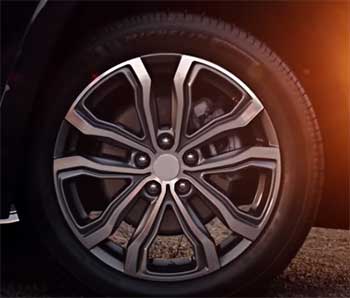
The Michelin Premier LTX is often considered the gold standard for luxury SUV tires. I have found that while the Michelin offers a slightly softer ride over small bumps, it is nearly double the price of the Kumho.
Analytically, the Michelin uses “EverGrip” technology that widens grooves as they wear, but the Kumho’s full-depth sipes provide a very similar wet-weather result for much less money.
I noticed that many users who switched from Michelin to the HP71 actually found the Kumho to be quieter on concrete highways.
You should buy the Michelin if budget is no object, but the Kumho is the smarter analytical move for anyone else.
- Kumho Crugen HP71 Vs. Bridgestone Alenza AS Ultra
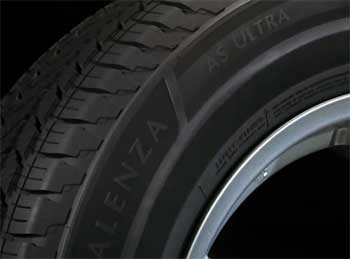
The Bridgestone Alenza AS Ultra is a heavy hitter in the premium touring segment with an impressive 80,000-mile warranty.
I have noticed that the Bridgestone feels a bit more “refined” at very high speeds, specifically above 80 mph.
Analytically, the Bridgestone’s extra 15,000 miles of warranted life comes at a significant price premium that may not be worth it if you plan on trading in your vehicle sooner.
I found that the Kumho HP71 offers better “bite” in the slush and mud compared to the more “highway-focused” Bridgestone.
Choose the Bridgestone for maximum longevity, but choose the Kumho for a better balance of price and all-season capability.
- Kumho Crugen HP71 Vs. Continental CrossContact LX25
The Continental CrossContact LX25 is famous for its “EcoPlus” technology which helps with fuel savings.
I have found that the Continental has a slightly more “sporty” feel, giving the driver more feedback through the steering wheel.
Analytically, the Continental is excellent in the rain, but I noticed it can be a bit noisier than the Kumho on coarse asphalt.
I found that the Kumho HP71 provides a more “isolated” and luxurious feel, which many SUV owners prefer over “sporty” feedback.
You should buy the Continental if you want to save every drop of gas, but the Kumho is the better choice for pure cabin silence.
- Kumho Crugen HP71 Vs. Goodyear Assurance MaxLife
The Goodyear Assurance MaxLife is built for one thing: lasting as long as humanly possible with its 85,000-mile warranty.
I have noticed that to achieve this mileage, the Goodyear uses a much harder rubber compound which can feel a bit “stiff” and less grippy in the wet.
Analytically, the Kumho HP71 is a much more comfortable and quiet tire, even if it won’t last quite as many years as the Goodyear.
I found that the Kumho’s wet braking distances felt shorter and more secure than the “hard” Goodyear.
Choose the Goodyear if you only care about mileage, but the Kumho is the clear winner for ride quality and safety.
- Kumho Crugen HP71 Vs. Yokohama Geolandar G055
The Yokohama Geolandar G055 is a common original equipment tire that many people look to replace.
I have found that the Kumho HP71 is a significant upgrade over the Yokohama in almost every category, especially noise and wet traction.
Analytically, the Yokohama feels a bit dated compared to the modern “Variable Pitch” tech found in the Kumho.
I noticed that the Kumho handles the weight of larger crossovers like the Honda Pilot or Ford Explorer with much more poise.
You should buy the Kumho HP71 without hesitation if you are currently running the factory Yokohamas and want a more “premium” experience.
Frequently Asked Questions (FAQs)
Yes, it is highly rated for its quiet ride, excellent wet traction, and affordable price, making it one of the best value-for-money touring tires for SUVs today.
They come with a 65,000-mile limited warranty; however, real-world life typically ranges from 45,000 to 60,000 miles depending on vehicle weight and rotation habits.
ine is Kumho’s flagship SUV series; it is engineered with advanced silica compounds and siping technology that rivals Tier-1 brands in performance tests.
It is exceptionally quiet; the Variable Pitch Technology is specifically designed to minimize road hum, making it a favorite for luxury crossover owners.
Final Thoughts
You should buy the Kumho Crugen HP71 if you want to enjoy a library-quiet cabin and confident wet-weather handling without overpaying for a brand name.
I have found that the mix of full-depth sipes and a plush ride quality makes this tire an analytical standout in a very crowded market.
You deserve a tire that provides safety and comfort for your family journeys, and the HP71 delivers exactly that at a price that makes sense.
I believe that for the modern SUV owner, there is no better balance of premium features and everyday practicality than this Kumho model.
You are making a wise, long-term choice for your vehicle’s performance by upgrading to the Crugen HP71 today.