Ready to tackle serious welding projects at home or in the shop without breaking the bank?
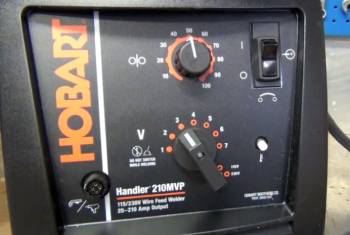
The Hobart Handler 210 MVP packs 210 amps of power into a portable package with dual-voltage capability, delivering smooth arcs on thin sheet metal or thicker stock.
Reliable transformer design, easy setup, and strong performance make it a favorite for hobbyists and pros alike.
Solidly built in the USA, it’s a welder you can count on. Grab one today and start laying down flawless beads.
My Real-Life Experience with Hobart Handler 210 MVP
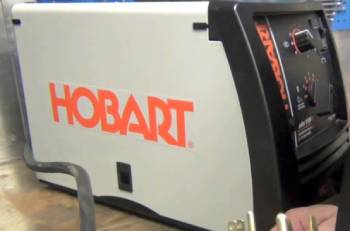
I’ve owned my Hobart Handler 210 MVP for a couple of years now, and let me tell you, it’s been a reliable workhorse through all kinds of projects that really put it to the test.
You know how frustrating it can be with underpowered welders that burn through thin metal or struggle on anything thicker? That’s why I upgraded from a smaller flux-core machine to this one after reading about its dual-voltage flexibility.
Out of the box, the build felt substantial—Made in America quality with a heavy transformer that screams durability compared to lightweight inverters I’ve blown up before.
Setup was straightforward: plug into 230V for full power or switch to 115V for garage outlets, no tools needed.
I started with body work on an old truck, welding 16- to 23-gauge sheet metal with gas.
The arc started soft and stable, laying down effortless beads without constant burn-through once I dialed in wire speed.
You adjust voltage continuously for fine control, and it ran cooler than expected on thin stuff.
Switching to thicker material like 1/4-inch plate for brackets, it penetrated solidly with multiple passes up to 3/8-inch as specs claim.
The duty cycle held up during longer sessions without overheating.
Flux-core mode worked great outdoors on rusty farm equipment—no gas bottle hassle.
You appreciate that versatility for different jobs.
On 220V, it welded hot and fast, stacking nice passes.
The included gun felt comfortable, though I swapped the ground clamp early for a beefier one since the stock seemed light.
Regulator was basic too—upgraded that for better flow.
Portability surprised me; at around 79 pounds, it’s no featherweight, but I built a simple cart with casters, and it rolls easy around the shop.
Lifted it into the truck bed solo with care.
Compared to my old Lincoln flux-only, this opened up clean MIG welds that look professional.
You find excuses for projects just to fire it up.
One standout: repairing a trailer frame—strong welds held under load.
Analytical note: the transformer design resists failures better than inverters in dusty shops, explaining longevity.
You get consistent performance across power sources.
Overall, it’s boosted my capabilities hugely for home and side gigs, delivering pro results affordably.
Trust me, you feel the power difference immediately.
More Projects and Insights with the Hobart 210 MVP
Let me share specific jobs that highlight its strengths and quirks over time.
Restoring a classic car panel: on 230V with C25 gas, it handled thin metal flawlessly after tweaking settings—smooth, minimal spatter beads.
You control heat precisely.
Building a metal workbench: thicker square tubing joined solidly, penetration deep without undercut.
Multiple passes on 3/8-inch plate worked, though slower.
Flux-core for outdoor fence repairs: windy conditions no issue, strong welds on dirty steel.
You save setup time.
The MVP adapter shines for shops with mixed outlets—plug and go.
Over a year, no major breakdowns, just routine maintenance.
You trust it for critical fixes.
Essential Maintenance Tips for Hobart Handler 210 MVP
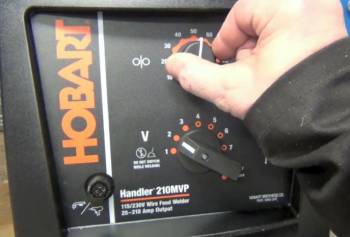
Keeping your Hobart Handler 210 MVP running strong requires regular care, especially in dirty environments.
You prevent downtime with simple routines.
- Daily Cleaning After Use
Blow out dust with compressed air post-session.
Wipe spatter from nozzle.
This avoids buildup affecting arc.
- Inspecting Cables and Connections
Check gun liner, cables for wear weekly.
Tighten loose fittings.
You catch issues early.
- Replacing Consumables Timely
Swap tips, nozzles, liners as needed.
Stock spares for uninterrupted work.
Maintains consistent feed.
- Storing Properly
Cover when not in use, store dry.
Unplug, coil cables neatly.
Prevents moisture damage.
- Checking Drive Rolls
Clean rolls, adjust tension for wire size.
Prevents birdnesting.
You ensure smooth feeding.
- Testing Ground and Power
Verify clean ground clamp contact.
Cycle MVP plug occasionally.
Reliable starts every time.
- Professional Servicing Annually
Have dealer inspect internals if heavy use.
Resets for longevity.
Follow diligently, and it lasts decades.
I’ve blown mine out regularly—no clogs yet.
You spend minutes for reliable performance.
Analytically, transformer tolerates neglect better, but care maximizes.
You focus on contacts for arc quality.
Hobart Handler 210 MVP Pros and Cons
Pros of Hobart Handler 210 MVP Welder
- Impressive 210-amp output handles diverse thicknesses: welds from 24-gauge sheet to 3/8-inch steel in single or multi-pass, versatile for auto to structural work.
- Dual-voltage MVP plug adapts seamlessly: runs on 115V or 230V household power without tools, ideal for garages or job sites.
- Reliable transformer design outlasts inverters: resists failures in tough environments, preferred for dusty shops.
- Smooth, stable arc performance delights users: soft starts, minimal spatter, adjustable for clean beads on various metals.
- Made in USA build quality reassures: solid construction, available parts, backed by reputable brand.
- Flux-core and MIG capable out of box: no gas needed for some jobs, expands options affordably.
- Generous duty cycle supports longer sessions: stays cool during extended use without frequent breaks.
- User-friendly controls simplify operation: quick setup, intuitive for beginners yet capable for pros.
Cons of Hobart Handler 210 MVP Welder
- Substantial weight limits portability: around 79 pounds makes moving solo challenging without cart: requires planning for transport.
- Included accessories feel underwhelming: ground clamp and regulator seem light-duty, often upgraded immediately for reliability.
- Runs hot on thinner materials initially: requires careful dialing to avoid burn-through on sheet metal: settings tweaks essential.
- No built-in spool gun for aluminum standard: needs optional add-on for aluminum welding, adding cost.
- Higher price than basic imports: premium for USA build and power, stretches hobby budgets.
- Louder fan and transformer hum noticeable: not silent like some inverters during operation.
- Limited to MIG/flux processes: no TIG or stick without multi-process upgrade.
- Spatter higher in flux mode: cleanup more than premium shielded setups.
Pros make it a powerhouse for serious home welders, with voltage flexibility and power standing out.
You tackle real jobs confidently.
Transformer reliability wins loyalty.
But cons highlight practicality; weight demands a cart, accessories prompt swaps.
Analytically, it balances pro features affordably but trades lightweight convenience.
You prioritize capability over portability.
Overall, strengths suit dedicated users.
Hobart Handler 210 MVP Vs. Other Welders Comparison
Choosing welders, I compared popular alternatives.
Here’s how it fares—you spot the best fit.
- Hobart Handler 210 MVP Vs. Lincoln Power MIG 210 MP
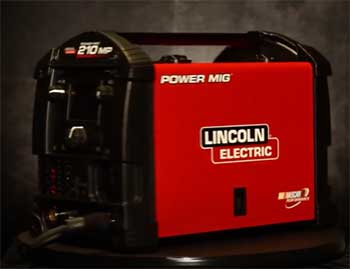
Lincoln‘s multi-process adds TIG/stick, digital controls for precision.
Similar power, lighter.
But pricier, inverter design.
Hobart’s transformer tougher long-term.
You pick Lincoln for versatility, Hobart MIG focus.
Lincoln modern, Hobart reliable.
- Hobart Handler 210 MVP Vs. Miller Multimatic 215
Miller offers multi-process excellence, superior arc tuning.
Premium build, portable.
Higher cost.
Hobart shares parent company quality cheaper.
You choose Miller pro features, Hobart value power.
Miller advanced, Hobart straightforward.
- Hobart Handler 210 MVP Vs. Eastwood MIG 180
Eastwood affordable, similar amps, lighter.
Good for hobby.
But import quality varies.
Hobart USA durability wins.
You go Eastwood budget, Hobart longevity.
Eastwood entry, Hobart step-up.
- Hobart Handler 210 MVP Vs. YesWelder MIG-205DS
YesWelder cheap multi-process, digital.
Light, feature-packed.
But reliability questions.
Hobart proven performance.
You select YesWelder savings, Hobart trust.
YesWelder beginner, Hobart serious.
- Hobart Handler 210 MVP Vs. Forney 140 MP
Forney budget multi, lower amps.
Portable, versatile.
Less power on thick.
Hobart stronger MIG.
You favor Forney light jobs, Hobart demanding.
Forney casual, Hobart capable.
Hobart excels in pure MIG power.
You appreciate its focus.
Also Read: Comparison Of Hobart Champion Elite Vs. Miller Bobcat
Frequently Asked Questions (FAQs)
Up to 3/8-inch mild steel in single or multi-pass, thinner with care.
Owned by Illinois Tool Works (ITW), sister brand to Miller.
Approximately 79 pounds.
Yes, with optional spool gun and 100% argon.
Final Thoughts
After years of projects, the Hobart Handler 210 MVP proves powerful, versatile, and built to last for serious welding.
You get pro-level results affordably. Perfect for home shops needing real capability. Buy one today and transform your welding game.