When you are standing waist-deep in a moving current, the only thing keeping your trip from turning into a nightmare is the thin barrier of your waders.
I have spent countless hours analyzing outdoor gear to see if budget-friendly options can truly hold their own against the high-end industry giants.
My intent is to provide a brutally honest, first-person review of Frogg Toggs waders so you can decide if they are worth the gamble or if you are better off saving for a premium pair.
You should buy Frogg Toggs waders only if you are an absolute beginner on a strict budget, as the significant durability trade-offs make them a risky recommendation for serious use.
My personal experience with Frogg Toggs waders
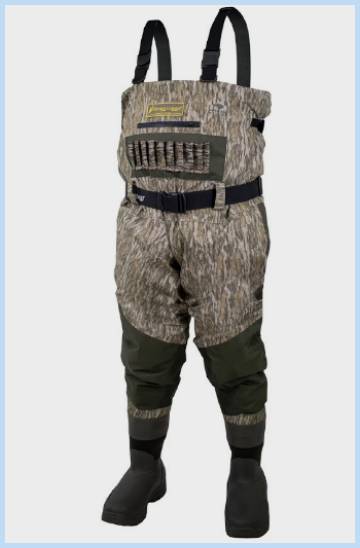
I remember the first morning I took my Frogg Toggs out to a local trout stream; the air was crisp, and the price I had paid made me feel like I had beaten the system.
Initially, the lightweight nature of the breathable material felt like a revelation compared to the heavy rubber boots I was used to wearing.
I could move with a level of agility that made navigating the slippery rocks feel almost effortless.
For the first hour, I was convinced that the negative reviews I had read online were simply from people who didn’t know how to take care of their gear.
The “DriPore” technology seemed to be doing its job, keeping the external moisture out while allowing my body heat to vent.
However, as the morning progressed, the reality of the “budget” construction started to seep in—quite literally.
It wasn’t a catastrophic failure at first; it was just a slow, damp sensation around my right knee that I tried to convince myself was just condensation.
By the time I climbed out of the water three hours later, my right sock was heavy with river water.
I inspected the seams and found that the taping was already starting to lift in high-stress areas despite the waders being brand new.
I felt a bit betrayed, especially since I had followed the sizing guide and wasn’t putting any undue stress on the fabric.
The fit was another point of contention for me. I found that the “baggy” cut, while allowing for plenty of layers, created a lot of drag in swifter currents.
It felt like I was wearing a sail underwater, which made me tire out much faster than I expected.
While I appreciated the fleece-lined handwarmer pockets during a particularly cold gust of wind, the overall build quality felt precarious.
Every time I brushed against a submerged branch or a briar on the bank, I felt a surge of anxiety that this would be the final blow to the thin fabric.
It became clear to me that these waders are built for the casual user who sticks to groomed paths and calm waters, rather than the serious angler who pushes their gear to the limit.
Maintenance and tips for your fishing waders
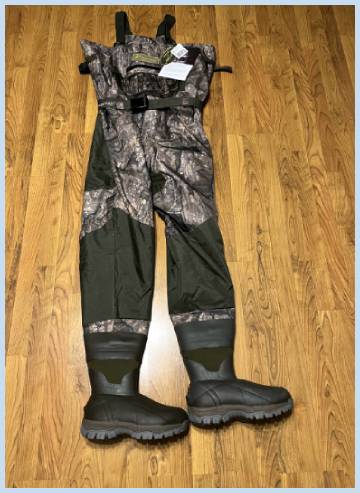
If you decide to go with a budget-friendly option like Frogg Toggs, your maintenance routine will determine if they last a season or a single weekend.
- Rinse with fresh water after every use: This is non-negotiable, especially if you have been in salt water or brackish ponds. Salt and minerals can eat away at the seam tape and the waterproof coating of the fabric.
- Dry them inside out first: Always start by drying the interior of the waders to prevent mold and mildew growth. Once the inside is dry, flip them back and dry the exterior away from direct sunlight, which can damage the UV-sensitive materials.
- Store them hanging, never folded: Folding waders creates creases that eventually turn into cracks and leaks. Use a specialized wader hanger that keeps them vertical in a temperature-controlled room.
- Avoid high-heat drying: Never put your waders in a dryer or near a space heater. High heat will melt the seam tape and ruin the waterproof membrane instantly.
- Keep a patch kit in your bag: Since these waders are prone to punctures, you should always carry a tube of UV-curing adhesive and some patch material. A small leak can be fixed in minutes if you catch it early.
- Be careful with the zippers: Budget zippers are notorious for snagging and breaking. Apply a bit of zipper wax or unscented candle wax to the tracks once a month to keep them moving smoothly.
Pros and Cons of Frogg Toggs waders
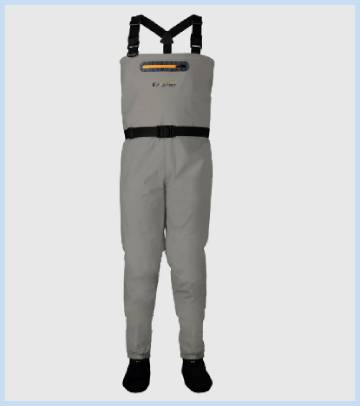
Pros of Frogg Toggs waders
- Incredible Price Point: The most significant advantage is the cost; these are often a fraction of the price of premium brands, making the sport of fly fishing accessible to those who cannot justify a $600 investment.
- Lightweight and Packable: Because the materials are thinner, they weigh very little and can be stuffed into a small backpack, which is a major plus for hikers or travelers.
- Generous Sizing for Layering: The “baggy” design means you can easily fit heavy wool pants or thick fleece liners underneath for late-season fishing without feeling restricted.
- Integrated Gravel Guards: Most models come with built-in guards that do a decent job of keeping rocks out of your boots, a feature usually reserved for more expensive gear.
- Decent Breathability: On warm days, the 4-ply nylon upper does an okay job of letting sweat escape, which prevents that swampy, humid feeling inside the waders.
- Wide Variety of Models: Whether you need 3.5mm neoprene for winter duck hunting or ultra-light stockingfoots for summer bass fishing, they have a specialized model for almost every niche.
Cons of Frogg Toggs waders
- Frequent Seam Failures: The most common complaint among real-world users is that the factory-sealed seams often begin to leak after only a few uses: analytically, the adhesive used simply doesn’t seem robust enough to handle the constant flexing and water pressure of deep wading.
- Thin Material Vulnerability: The lightweight fabric that makes them comfortable also makes them incredibly easy to puncture: a single encounter with a stray hook or a sharp stick can result in a leak that is difficult to patch effectively in the field.
- Inconsistent Quality Control: Buying a pair of Frogg Toggs can feel like a game of “wader roulette”: some users report their pairs lasting for years, while others experience catastrophic leaks on their very first outing.
- Poor Warranty Support: Despite having a one-year warranty, many users have found the process of getting a replacement to be frustrating and slow: the company often excludes “wear and tear,” which is a vague term that can be applied to almost any leak.
- Awkward Sizing and Fit: While the extra room is good for layers, the proportions can be very strange: many find the legs to be excessively long while the torso remains tight, or the boots to be oversized compared to the rest of the garment.
- Rapid Degradation of Features: Over time, the adjustable suspenders tend to lose their elasticity and the plastic buckles can become brittle: this leads to a “drooping” fit that makes wading in deeper water dangerous as the top of the waders sags below the waterline.
Frogg Toggs Waders Vs. Other Brands
- Frogg Toggs Waders Vs. Simms G3 Guide Waders
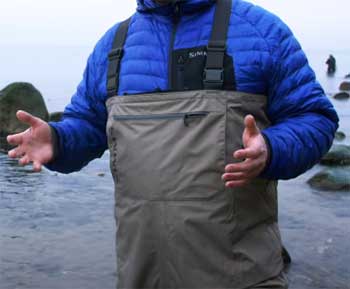
Simms is widely considered the gold standard of the industry. In the comparison of Frogg Toggs vs. Simms G3, you are looking at two different worlds of quality.
Simms utilizes Gore-Tex technology and is manufactured with a level of precision that Frogg Toggs simply cannot match.
A pair of Simms might last an active guide five years, whereas Frogg Toggs might last a weekend warrior one season.
While you could buy four pairs of Frogg Toggs for the price of one Simms G3, the reliability of the Simms makes it the better analytical choice for anyone serious about the sport.
- Frogg Toggs Waders Vs. Orvis Clearwater
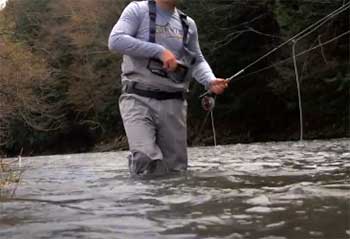
Orvis offers a mid-tier option that serves as a bridge between budget and premium.
Looking at Frogg Toggs vs. Orvis Clearwater, the Orvis model provides a much better warranty and customer service experience.
If your Orvis waders leak, the company is famous for standing behind their product, which provides a layer of security that Frogg Toggs lacks.
The Orvis material is slightly thicker and the seams are reinforced in high-wear areas like the inner thighs.
For most casual anglers, the Orvis Clearwater represents a better value-per-year investment than the cheaper Frogg Toggs. You get a better-fitting bootie and a more reliable waterproof barrier.
- Frogg Toggs Waders Vs. Patagonia Swiftcurrent
Patagonia is the leader in sustainable and environmentally conscious outdoor gear.
In a matchup of Frogg Toggs vs. Patagonia Swiftcurrent, you are paying for ethical manufacturing and extreme durability.
Patagonia’s “Ironclad Guarantee” is perhaps the best in the business, offering repairs or replacements for the life of the product.
The Swiftcurrent waders feature a heavy-duty fabric that is far more resistant to punctures than the Frogg Toggs’ lightweight nylon.
Analytically, if you plan on bushwhacking through heavy brush to get to secret fishing spots, the Frogg Toggs will fail you almost immediately. Patagonia’s design is focused on the professional angler who needs gear that won’t quit.
- Frogg Toggs Waders Vs. Redington Sonic-Pro
Redington is known for offering high-performance features at a more accessible price point.
When comparing Frogg Toggs vs. Redington Sonic-Pro, the “Sonic-Weld” technology is the key differentiator.
Instead of traditional stitching and tape, Redington uses ultrasonic waves to weld the fabric together, creating a seam that is inherently more waterproof.
This technology addresses the exact weakness that plagues the Frogg Toggs line. The Redington waders also include more functional pocket layouts and a more comfortable suspender system.
While they are more expensive than Frogg Toggs, they are significantly more reliable for someone who fishes more than a dozen times a year.
- Frogg Toggs Waders Vs. Hodgman H3
Hodgman is a direct competitor in the budget space, often found in the same big-box retailers as Frogg Toggs.
In the debate of Frogg Toggs vs. Hodgman H3, the two are very similar in terms of build quality and price.
However, Hodgman often utilizes a slightly different layering system that some find to be more durable in the long run.
Frogg Toggs generally wins on the “lightweight” front, but Hodgman’s bootfoot models tend to have better traction on muddy banks.
Neither of these brands is intended for heavy professional use, and both suffer from the same “luck of the draw” quality control issues.
Frequently Asked Questions (FAQs)
They are a popular entry-level brand, but they are not typically considered “good” for serious or frequent use due to known issues with seam leaks and thin material durability.
Yes, most users report that Frogg Toggs run large and have a very baggy, roomy cut to allow for heavy layering, so you may want to size down if you prefer a slimmer fit.
They are designed to be 100% waterproof, but their real-world performance is inconsistent; many users experience leaks at the seams after a short period of use.
While the material itself is waterproof, the construction—specifically the taped seams—is a frequent point of failure that allows water to enter the waders.
Final Thoughts
Deciding whether to buy these waders depends entirely on your tolerance for a potential leak in the middle of a cold day.
I have found that while the price is tempting, the long-term cost of replacing cheap gear often exceeds the price of buying a high-quality pair once.
You should only buy Frogg Toggs waders if you are testing the waters of fishing for the first time or if you absolutely cannot afford a more reliable brand.
In the final analysis, your comfort and safety on the water are worth the investment in a product that you can trust to keep you dry when it matters most.