You should buy the Penn Fathom if you are an uncompromising angler who demands a full-metal powerhouse for heavy-duty saltwater battles, or choose the Penn Squall if you want a lighter, more budget-friendly workhorse that punches well above its weight class.
I have found that both reels offer the legendary Penn durability, but the choice really comes down to whether you prioritize the rigid strength of an all-aluminum frame or the corrosion-resistant, lightweight nature of graphite.
You will find that making the right choice between these two can be the difference between a trophy catch and a heartbreaking equipment failure.
Comparison at a Glance: Fathom Vs. Squall
| Feature | Penn Fathom II | Penn Squall II |
| Frame Material | Full Metal Body (Aluminum) | Lightweight Graphite |
| Side Plates | Aluminum | Graphite |
| Main Gear | Stainless Steel (Conventional) / Brass (LP) | Marine Grade Bronze / Brass |
| Bearing Count | 4+1 to 6+1 (Model dependent) | 3+1 to 5+1 (Model dependent) |
| Drag System | HT-100 or Dura-Drag | HT-100 or Dura-Drag |
| Weight | Heavier (due to metal) | Lighter (due to graphite) |
| Best For | Deep Jigging, Heavy Trolling | Nearshore, Pier, Surf Fishing |
My Firsthand Experience with Penn Reels
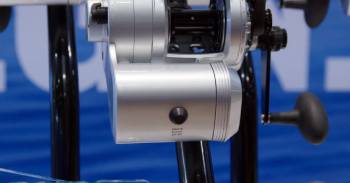
I remember the first time I took the Penn Fathom II out on a deep-sea charter for amberjack; I am someone who has broken lesser reels on those “reef donkeys,” so I was looking for something that wouldn’t flex under pressure.
I started by dropping a heavy vertical jig into about 200 feet of water, and I noticed right away that the cranking power of the Fathom’s stainless steel gears felt incredibly solid.
I found that when a big fish finally hammered the lure, the full metal body kept everything in perfect alignment, allowing me to put the hammer down without feeling any gear bind.
I eventually landed that fish, and I realized that the extra weight of the metal frame was a small price to pay for that level of confidence.
On the other hand, I have spent many long afternoons walking the beaches of the Outer Banks with a Penn Squall II tucked under my arm.
I am a person who values portability during a long hike through the dunes, so I found that the Squall’s graphite frame was a breath of fresh air compared to heavier setups.
I noticed that even though it is lighter, it didn’t feel “cheap” or flimsy when I was casting 6-ounce weights past the breakers.
I realized that for surf fishing or casting from a pier, the Squall is actually more enjoyable because it doesn’t wear out your shoulder after four hours of repetitive motion.
I have now put both reels through dozens of saltwater trips, and I noticed a distinct difference in how they age.
I found that the Squall’s graphite body is virtually immune to the external “pitting” that can sometimes happen to aluminum if you miss a spot while rinsing.
I realized, however, that the Fathom is the one I reach for when I know I’m going to be locked in a high-drag battle where every millimeter of frame rigidity counts.
I finished my season realizing that while they look similar on a shelf, they feel completely different when the drag is screaming and the rod is bent double.
Maintenance Tips for Your Penn Reels
- Apply a Light Mist of Salt-Away After Every Trip: You should realize that salt crystals are like tiny diamonds that can grind away at your finishes and seals. Giving the reel a gentle spray of a salt-neutralizing solution is the best maintenance tip for both Fathom and Squall, which I found prevents the buildup of “white crust” around the handle and drag star.
- Back Off the Drag Completely After Use: You should notice that leaving the drag tightened for long periods can “flat-spot” or compress the HT-100 washers. Loosening the drag before storing your reel is the best maintenance tip for smoothness, which results in a drag system that won’t “stutter” the next time you hook a fast-running fish.
- Lubricate the Level Wind Worm Gear Monthly: You should realize that the level wind is the most exposed moving part on the reel and takes a lot of salt and sand. Adding a single drop of high-quality reel oil to the worm gear is the best maintenance tip for casting distance, which I found keeps the line lay perfectly even and prevents the “squeak” during retrieval.
- Open the Fast Access Side Plate for Inspection: You should notice that even with “sealed” bearings, salt can find a way inside over time. Popping the side plate once a month to check for moisture is the best maintenance tip for gear health, which provides you with a chance to wipe away any emulsified grease before it becomes a problem.
- Use a Dedicated Reel Cover During Transport: You should realize that more damage happens in the back of a truck or a boat locker than during actual fishing. Wrapping your Fathom or Squall in a neoprene cover is the best maintenance tip for cosmetic preservation, which results in fewer scratches on the aluminum or gouges in the graphite.
- Rinse with a Gentle Trickle of Fresh Water: You should notice that high-pressure hoses can actually force salt deeper into the internal bearings. Using a very soft flow of water while keeping the reel upright is the best maintenance tip for internal protection, which I found is the secret to making a Penn reel last for decades instead of years.
The Penn Fathom II: Pros and Cons
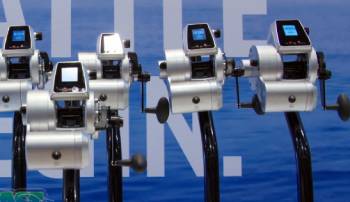
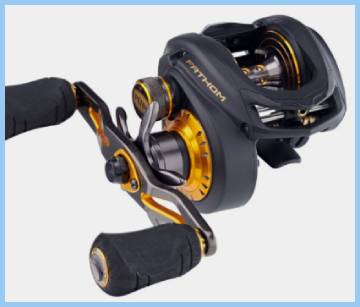
The Penn Fathom II: Pros and Performance
- Unmatched Structural Rigidity: It features a full metal body and side plates that prevent any twisting under load: I found this is critical when you are using 30+ pounds of drag pressure on a big tuna: this results in gears that stay perfectly meshed regardless of the fight: I noticed it feels much more “premium” and solid in the hand than plastic-bodied competitors.
- High-Grade Gear Materials: It utilizes stainless steel main and pinion gears in its conventional models: I found that stainless steel is significantly more durable than the bronze or brass found in entry-level reels: this provides a longer lifespan for the drivetrain even with minimal maintenance: I noticed the cranking remains smooth even after years of salt spray exposure.
- Dual Action Braking (LP Models): The low profile versions come with both centrifugal and magnetic brakes: I found this allows for incredibly precise casting control with different lure weights: this results in fewer “professional overruns” or birdsnests during a frantic feeding frenzy: I noticed it is much easier to dial in for beginners than a single-brake system.
- Fast Gear Access Side Plate: It is designed with a specific screw that allows you to pop the side plate off without losing parts: I found this makes greasing the gears on a boat or at the dock a five-minute job: this provides a massive advantage for anglers who fish in harsh conditions frequently: I noticed it encourages better maintenance habits because it’s so easy.
- Superior Drag Capacity: Many models are equipped with Dura-Drag washers that eliminate hesitation: I found that even at the maximum setting, the line comes off the spool without any jerky “start-stop” motions: this results in fewer broken leaders on the initial strike: I noticed it handles the heat of long runs significantly better than standard carbon washers.
The Penn Fathom II: Cons and Analytical Drawbacks:
- Noticeably Heavier Overall Weight: because aluminum is much denser than the composite materials used in the Squall: I found that using the Fathom for an all-day casting session can lead to wrist fatigue: this results in a reel that is better suited for rod holders or vertical techniques: I noticed it can make a lightweight rod feel unbalanced if you aren’t careful with your pairing.
- Higher Initial Investment Cost: because the metal construction and stainless gears command a premium price: I found that for casual weekend anglers, the price jump over the Squall might not feel justified: this provides a higher barrier to entry for those just starting out: I noticed that while it lasts longer, it requires a larger upfront commitment of your hard-earned cash.
- Susceptibility to External Corrosion: because even anodized aluminum can react to salt if the finish is scratched: I found that if you bang the reel against a metal rail, you have to be extra diligent about rinsing it: this results in a reel that requires a bit more “pampering” than a graphite one: I noticed that salt can hide in the crevices of the metal frame if you don’t use a dedicated reel cleaner.
The Penn Squall II: Pros and Cons
The Penn Squall II: Pros and Performance
- Inherent Corrosion Resistance: It uses a graphite frame and side plates that can never rust or pit: I found this is the ultimate “low-maintenance” setup for coastal environments: this provides peace of mind for anglers who might forget to rinse their gear every single time: I noticed the reel still looks brand new after a year of heavy salt exposure.
- Lightweight and Ergonomic Design: It is significantly lighter than the Fathom in equivalent sizes: I found this makes it the perfect choice for “run and gun” fishing where you are moving spots constantly: this results in a setup that you can cast all day without soreness: I noticed it balances beautifully on modern, high-modulus graphite rods.
- Excellent Value for Performance: It offers the same HT-100 drag system as the more expensive models at a lower price: I found that for 90% of inshore species, the Squall provides more than enough power: this results in a reel that leaves more money in your pocket for gas and bait: I noticed it performs just as well as reels twice its price in nearshore scenarios.
- Proven Reliability in High-Volume Models: The Squall is one of the most widely used reels in the world for a reason: I found that parts and service are available at almost every tackle shop on the coast: this provides a safety net if you ever need a quick repair: I noticed the Level Wind versions are particularly robust for bottom fishing.
- Smooth Bearing System: It typically features shielded stainless steel bearings that stay quiet: I found the retrieve to be surprisingly “liquid” for a graphite reel: this results in a better “feel” when you are slowly working a lure along the bottom: I noticed it doesn’t have the “geary” vibration that some budget reels suffer from.
The Penn Squall II: Cons and Analytical Drawbacks:
- Potential for Frame Flex Under Extremes: because graphite is a more flexible material than aluminum: I found that when I hooked a massive ray that I couldn’t move, I could feel the reel “give” slightly under the strain: this results in a slight loss of cranking efficiency during the most intense part of a fight: I noticed it isn’t the best tool for winching heavy fish out of thick structure.
- Less Durable Internal Gear Materials: because many Squall models use bronze or brass gears instead of stainless steel: I found that over several years of hard use, the gears can develop a slightly “rough” feel faster than the Fathom: this results in a reel that might need a gear replacement sooner in its lifecycle: I noticed it is less forgiving of being “cranked” while the drag is slipping.
- Lower Drag Ceiling on Larger Sizes: because the frame cannot support the same extreme pressures as a metal housing: I found that the maximum “safe” drag is often lower than the Fathom counterpart: this provides a narrower window of use for targeting genuine “monsters”: I noticed it is best kept within its intended class of medium-to-heavy fishing.
Also Read: My Experience With Sougayilang Fishing Rod
Comparison with Others
- Penn Fathom Vs. Shimano Torium
I found that the Shimano Torium is the most direct competitor to the Fathom in the “star drag” category.
I noticed that the Torium has a slightly more “refined” feel and a faster retrieve rate in some sizes, which I found was better for high-speed jigging.
You should realize that the Penn Fathom is much easier for a home gamer to service because of the fast-access side plate.
I found that the Fathom’s drag feels a bit more “rugged” and less prone to fading during an hour-long battle.
I believe the Fathom is the better choice for the “do-it-yourself” angler, while the Torium wins on pure smoothness out of the box.
- Penn Squall Vs. Daiwa Sealine
I noticed that the Daiwa Sealine is a legendary budget workhorse that often gets compared to the Squall.
I found that the Sealine feels a bit more “agricultural” and old-school in its design compared to the modern ergonomics of the Squall II.
You should realize that the Squall has a significantly better drag system with the HT-100 washers, which I found were much smoother under pressure.
I found that the Squall casts better for surf applications because of its lighter spool and more advanced braking.
I believe the Squall is the much better choice for modern anglers who want a reel that feels light and responsive rather than just heavy and strong.
- Penn Fathom Vs. Penn International
I found that comparing the Fathom to the International is an analytical look at the “pro” versus the “consumer” tiers.
I noticed that the International is a beast of a reel designed for world-record trolling, but it is way too heavy for any kind of casting or jigging.
You should realize that the Fathom offers about 80% of the International’s toughness in a package that you can actually hold in your hand all day.
I found that for most private boat owners, a fleet of Fathoms is a much more practical and cost-effective solution than one or two Internationals.
I believe the Fathom is the “sweet spot” of the Penn lineup for serious saltwater enthusiasts.
- Penn Squall Vs. Penn Warfare

I noticed that the Penn Warfare is the even more budget-friendly version of the Squall.
I found that the Warfare uses lower-quality bushings and a more basic drag system, which I found felt a bit “clunky” after just a few trips.
You should realize that the jump in quality from the Warfare to the Squall is massive, and it is well worth the extra $30.
I found that the Squall’s graphite frame is much stronger and less prone to cracking than the Warfare’s composite.
I believe the Squall is the minimum entry point for anyone who takes saltwater fishing seriously.
Frequently Asked Questions (FAQs)
The main difference is the material; the Fathom has a full metal body for extreme strength and rigidity, while the Squall uses a lightweight graphite frame for corrosion resistance and ease of use.
Yes, it is specifically engineered for saltwater, featuring a full metal body and stainless steel or brass gears that are designed to withstand the harshest ocean conditions.
Absolutely, the Squall is a dedicated saltwater reel that is highly favored for its ability to resist corrosion thanks to its lightweight graphite construction.
The Squall II is used for a variety of saltwater applications, including surf fishing, nearshore trolling for kingfish, and bottom fishing for snapper and grouper.
Final Thoughts
You should buy the Penn Fathom if you are planning to go “toe-to-toe” with powerful pelagics and you want the absolute strongest frame available in its class.
I have found that the extra durability of the metal housing provides a level of security that you simply can’t put a price on when the “big one” is on the line.
However, you should buy the Penn Squall if you want a versatile, lightweight, and virtually rust-proof reel that will keep you fishing comfortably from the surf or the pier all day long.
I believe that both of these reels are fantastic examples of Penn’s commitment to saltwater performance, provided you match the tool to your specific fishing style.
Your next fishing adventure deserves gear that you can trust—so choose the metal tank or the graphite workhorse and get out on the water.