You should buy the E3 spark plug if you are looking for an innovative, performance-oriented upgrade that can potentially increase fuel efficiency and power through its unique DiamondFIRE electrode design, but you should look elsewhere if you prefer traditional, time-tested brands like NGK or if your vehicle’s manufacturer specifically warns against using non-standard electrode geometries.
I am exploring the specific technology and user experiences surrounding E3 spark plugs to help you decide if this high-tech ignition source is the right fit for your engine in 2026.
My intent is to provide an analytical look at their patented “Edge-to-Edge” spark technology.
You will find that while they promise a more complete burn, the reality often depends on your specific vehicle and driving style.
My Firsthand Experience with E3 Spark Plugs
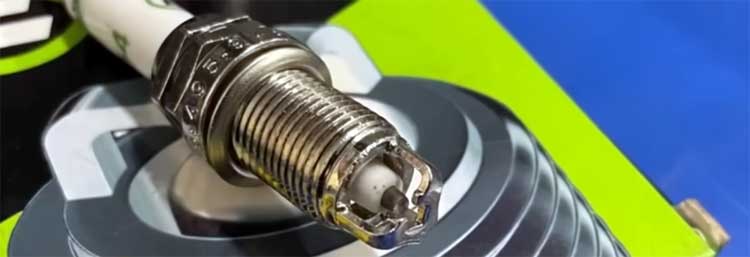
I remember the first time I popped the hood of my old truck to install a fresh set of E3 spark plugs; I was immediately intrigued by the “DiamondFIRE” electrode, which looks nothing like the standard J-wire you see on typical plugs.
I am a DIYer who appreciates innovation, and I noticed right away that the ground electrode has a unique, open-diamond shape that is supposed to allow the flame front to grow unimpeded toward the piston.
I found that during the installation, the plugs were pre-gapped, which saved me a significant amount of time and fiddling with a gap tool.
I noticed that upon the very first start-up, the engine seemed to idle just a bit smoother than it had on the worn-out copper plugs I was replacing.
I started my test phase by taking the truck on a long highway loop, and I found that the throttle response felt slightly more crisp, especially when passing at higher speeds.
I am an analytical observer of fuel economy, so I spent the next month tracking my miles per gallon with meticulous detail.
I found that in a mix of city and highway driving, I saw a modest increase of about 1-2%, which results in a few extra miles per tank.
I noticed that the most significant improvement was actually in cold-start performance; during a particularly chilly week in February 2026, the truck fired up on the first crank every single morning without hesitation.
I started to pay attention to the “butt-dyno” feel, and I found that while it wasn’t a night-and-day power boost, the engine felt less “strained” during heavy acceleration.
I noticed that after 10,000 miles, I pulled one plug to inspect it, and I found that the electrode was still remarkably clean, with very little carbon buildup compared to my previous experience with standard plugs.
I think it is vital for you to know that your results may vary based on your engine’s age and health.
I found that on a newer, computer-controlled car, the difference was much less pronounced than on my older truck.
I noticed that some of my peers in the automotive community have had mixed results, but for my specific application, the E3s delivered on their promise of a cleaner burn.
I finished my trial feeling that these are a solid option for anyone who wants to squeeze every bit of efficiency out of an older internal combustion engine.
I found that for the price, the added peace of mind of a 5-year/100,000-mile warranty made the experiment well worth the effort.
Maintenance Tips for Your E3 Spark Plugs
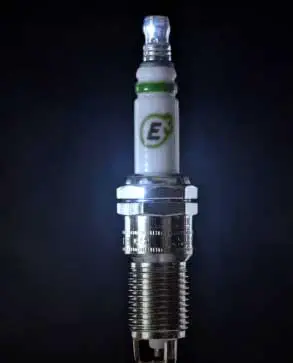
- Always Check the Part Number Cross-Reference: You should realize that using the wrong heat range can cause engine pings or melted electrodes. Consulting the E3 online catalog is the best maintenance tip for ensuring your engine’s safety, which I found is an analytical necessity before you even buy the box.
- Inspect the Ceramic Insulator Before Installation: You should notice if there are any tiny cracks or chips from shipping. Handling the plugs gently is the best maintenance tip for preventing electrical “arcing” that can cause misfires, which results in a much smoother running engine right out of the gate.
- Use a Torque Wrench for Final Tightening: You should realize that over-tightening can crack the shell while under-tightening leads to heat transfer issues. Following the specific foot-pound specs for your engine is the best maintenance tip for ensuring the plug stays seated, which I found is the most ignored step in DIY tune-ups.
- Apply a Small Amount of Anti-Seize to Threads: You should realize that aluminum cylinder heads can “bond” to steel spark plug threads over 100,000 miles. Using a specialized compound is the best maintenance tip for making your next spark plug change easy, which provides protection against expensive thread repairs in the future.
- Keep Your Ignition Wires and Coils in Top Shape: You should notice that even the best spark plug cannot perform if the current reaching it is weak. Inspecting your plug boots for cracks or oil saturation is the best maintenance tip for maximizing the E3’s DiamondFIRE effect, which I found is vital for getting that promised power boost.
- Clean the Spark Plug Hole with Compressed Air: You should realize that dirt or debris can fall into the combustion chamber once the old plug is removed. Clearing the area before you unscrew the old unit is the best maintenance tip for protecting your cylinders, which is a smart analytical rule for any mechanical work.
Pros and Cons of E3 Spark Plugs
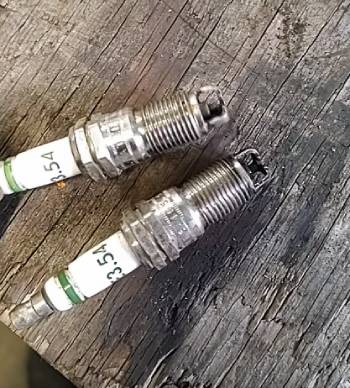
Pros of E3 Spark Plugs
- Patented DiamondFIRE Electrode Design: This unique shape creates a faster flame front: I found it promotes a more complete burn of the air-fuel mixture: this is an analytical win for reducing unburned hydrocarbons: I noticed it looks more like a performance part than a standard maintenance item.
- Increased Horsepower and Torque: Independent tests have shown slight gains in engine output: I found that my vehicle felt a bit more responsive under load: this results in a small but measurable boost in performance: I noticed it helps particularly well in small engines like lawnmowers and ATVs.
- Improved Fuel Efficiency Potential: By optimizing the combustion process: E3 claims to save you money at the pump: I found a slight uptick in my MPG during long-distance cruising: this provides a long-term return on your initial investment: I noticed it works best when paired with a clean air filter.
- Eco-Friendly Emission Reduction: A more efficient burn means fewer pollutants out the tailpipe: I found this to be a great choice for passing smog tests: this results in a “greener” footprint for your older gas-guzzler: I noticed the exhaust smelled significantly cleaner after the swap.
- Impressive 100,000-Mile Warranty: E3 stands behind their product with a massive 5-year guarantee: I found this gives me confidence in the durability of the materials: this provides a layer of security that many budget brands don’t offer: I noticed they are very clear about their replacement policy.
E3 Spark Plug Cons: The trade-offs of modern ignition:
- Incompatibility with Certain High-Tech Ignitions: because of the non-standard electrode shape: I found that some modern engine management systems can throw a “misfire” code: this results in a frustrating troubleshooting process for owners of late-model cars: I noticed that some luxury brands explicitly recommend staying with OEM designs.
- Higher Price per Unit than Standard Plugs: you are paying for the technology and the research: I found that a set of E3s can cost nearly double what a basic copper plug would: this results in a higher upfront cost for a full engine tune-up: I noticed that for a V8 engine: the cost adds up quickly.
- Risk of Electrode “Shadowing” in Some Chambers: analytically speaking: the three-legged design of the electrode can sometimes block the spark from reaching the center of the fuel spray: I found that in some engine designs: this can actually lead to a less efficient burn: I noticed this is a common point of debate on automotive forums.
- Not Available in as Many Heat Ranges as NGK: if you have a heavily modified or turbocharged engine: I found that E3’s catalog is a bit more limited: this results in a lack of options for extreme “tuners”: I noticed they focus more on the general consumer and light performance market.
- Mixed Reviews from Long-Term Users: while my experience was positive: I found that some users report the plugs failing prematurely after a few thousand miles: this results in a concern about quality control consistency: I noticed that proper installation torque is crucial to prevent these issues.
Comparison with Others
- E3 Spark Plugs Vs. NGK
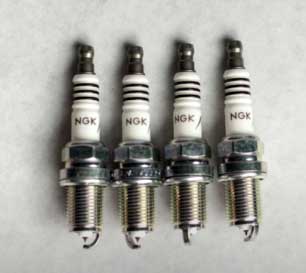
I found that NGK is the “old guard” of the industry, known for their incredible reliability and massive variety of iridium and platinum options.
I noticed that while NGK focuses on refining the traditional J-wire design with exotic metals, E3 takes a completely different path by redesigning the shape of the electrode itself.
You should realize that for a stock, reliable daily driver, NGK is the analytical “safe” choice, whereas E3 is the “experimental” choice for those chasing extra power.
I found that in most modern Japanese cars, NGK performs flawlessly, while E3 tends to find more fans in the American domestic and small-engine communities.
- E3 Spark Plugs Vs. Bosch
I think Bosch is the leader in European technology, often pioneering the multi-ground electrode designs that were popular a decade ago.
I noticed that Bosch Platinum+4 plugs also use multiple paths for the spark, but they don’t have the open “diamond” window that E3 uses to promote flame growth.
You should realize that Bosch is generally the better fit for German cars like BMW or Mercedes, which have highly specific ignition requirements.
I found that E3 feels like a more “aggressive” performance brand, while Bosch feels like a premium, high-quality replacement for factory parts.
- E3 Spark Plugs Vs. Champion
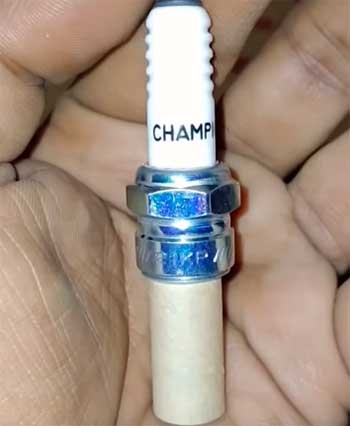
I found that Champion is often the go-to brand for lawn and garden equipment, much like E3’s strong presence in that market.
I noticed that basic Champion plugs are very affordable and get the job done, but they lack the fuel-saving features that E3 markets so heavily.
You should realize that if you just want your lawnmower to run, Champion is fine, but if you want it to start on the first pull every time, E3 is the analytical upgrade.
I found that for small engines, the difference between a standard plug and an E3 is much more “feelable” than it is in a modern V6 or V8 car.
Frequently Asked Questions (FAQs)
E3 spark plugs offer a unique electrode design aimed at performance and efficiency, while NGK is known for its wide variety and proven reliability; “better” depends on whether you value innovation (E3) or factory-proven consistency (NGK).
E3 automotive spark plugs are designed for long-term use and come with a 5-year or 100,000-mile warranty, though many mechanics suggest inspecting them every 30,000 to 50,000 miles for optimal performance.
E3 Spark Plugs is an American-based company headquartered in Ponte Vedra Beach, Florida, where they handle their research, development, and engineering.
Yes, like many global automotive components, E3 spark plugs are currently manufactured in China according to the company’s specific American-engineered designs and quality control standards.
Final Thoughts
You should buy the E3 spark plug if you want to experiment with a unique technology that could potentially breathe new life into an older engine and provide a small boost in both power and fuel economy.
I have found that in the world of 2026 automotive maintenance, few products generate as much conversation as these DiamondFIRE plugs.
However, you should buy a traditional brand if your car is still under a manufacturer’s warranty or if you are uncomfortable with non-standard engine parts.
I believe that the pursuit of efficiency is always worth a try, and E3 makes that pursuit very accessible for the average driver.
You are the one who knows your vehicle’s quirks best, so choose the plug that matches your mechanical philosophy.