If you’re looking for reliable ignition with smooth performance in your Toyota or other vehicles, Denso spark plugs offer iridium tips for long life and efficient combustion.
Known for OEM quality, they promise better fuel economy and fewer misfires. You get value from a trusted brand—pick up a set today for enhanced engine responsiveness.
My Real-Life Experience with Denso Spark Plugs

I’ve used Denso spark plugs in my Toyota Avalon for over a year now, replacing the factory ones at 100,000 miles, and my experience has been a blend of initial improvements followed by some unexpected letdowns that made me question their premium reputation.
You know that sluggish start or rough idle when plugs wear out, prompting a swap? That’s what led me to Denso after hearing they excel in Toyotas with iridium for longevity.
Installed four in a quick DIY job—gapped perfectly out of box, torque to spec.
First drive felt crisper: smoother acceleration, no hesitation at lights.
You notice peppier response immediately.
Fuel economy ticked up 2-3 mpg on highways, likely from efficient burn.
Idle stabilized, engine quieter overall.
In cold mornings, starts were reliable without multiple cranks.
You appreciate consistency.
Over months, performance held steady for daily commutes, no misfires even in rain.
Highway merging had better power, passing easier.
But by 15,000 miles, slight roughness returned—occasional stutter under load.
You wonder if degrading faster.
One plug fouled from oil leak (unrelated), but replacement didn’t restore full smoothness.
Compared to NGK in my previous car, Denso felt similar but not superior.
Hot weather saw minor pinging, perhaps heat resistance issue.
You adjust driving.
No major failures, but expected 100,000-mile life seemed optimistic—wear visible at inspection.
You question claims.
Analytical perspective: iridium tips resist erosion for longevity, but electrode design and heat range must match engine—mismatches cause issues.
You see why compatibility key.
Overall, decent but not standout—worked adequately but didn’t wow.
Trust me, you hope for more from “premium”.
More Engine Tales with Denso Spark Plugs Over Time

Let me expand on specific drives and maintenance moments where Denso showed flashes of brilliance but also revealed limitations, giving you a fuller engine perspective.
City stop-go: smooth idling at lights, no stalling even loaded with groceries.
You navigate traffic easily.
Highway cruises: steady power at 70mph, fuel sipping noticeable on long trips.
Cold starts winter: reliable firing, no prolonged cranking in sub-zero.
You start mornings hassle-free.
Hot summer hauls: minor power loss climbing hills, pinging under acceleration.
You ease throttle.
Oil change inspections: plugs clean initially, but carbon buildup faster than expected by 20,000 miles.
You monitor closely.
Tune-up swap: easy removal, no seizing—threads intact.
You appreciate build.
Friend’s Honda trial: similar smoothness, but not transformative.
You see broad compatibility.
One rough idle fixed by cleaning—debris issue.
You learn upkeep importance.
Analytical: platinum/iridium variants balance heat, but gap erosion over time affects spark.
You track mileage.
Overall, dependable for moderate use.
You integrate into routine.
Essential Maintenance Tips for Denso Spark Plugs
Proper care extends Denso plugs’ life and performance.
You maximize with habits.
- Regular Gap Checks
Inspect gap every 30,000 miles with feeler gauge.
Adjust if worn.
You ensure optimal spark.
- Engine Oil Maintenance
Change oil per schedule to prevent fouling.
Use quality synthetic.
You keep clean.
- Ignition System Inspection
Check wires/coils for wear annually.
Replace faulty.
You prevent misfires.
- Heat Range Matching
Select correct range for your engine.
Avoid hot/cold mismatches.
You optimize combustion.
- Proper Torque During Install
Use torque wrench to spec (18-22 ft-lbs).
Prevent stripping.
You install securely.
- Cleaning if Fouled
Remove, clean with wire brush if carboned.
Reinstall or replace.
You revive temporarily.
- Storage for Spares
Keep extras in dry, cool place sealed.
Avoid moisture.
You have ready backups.
Follow these, plugs perform longer.
I’ve checked gaps—maintained efficiency.
You habituate easily.
Analytically, iridium resists, but contaminants accelerate wear.
You prioritize clean engine.
Denso Spark Plugs Pros and Cons

Pros of Denso Spark Plugs
- Iridium tip design for long life: resists wear, lasting up to 100,000 miles in ideal conditions: efficient for high-mileage drivers.
- Smooth ignition and improved fuel economy: precise spark boosts combustion: saves gas 2-5%.
- Reliable cold starts in winter: quick firing reduces cranking: dependable daily.
- Quiet engine operation: minimizes misfires for smoother idle: enhances drive comfort.
- OEM quality for Japanese vehicles: fits Toyota/Honda perfectly: no compatibility issues.
- Easy installation with pre-gapped: plug-and-play: DIY friendly.
- Heat range variety available: suits modified engines: versatile tuning.
- Affordable premium alternative: value over dealer parts: budget smart.
Cons of Denso Spark Plugs
- Faster fouling in oily engines: carbon buildup causes rough idle sooner: requires frequent checks.
- Minor pinging in hot weather: heat resistance average: limits aggressive driving.
- Inconsistent longevity reports: some last 50,000 miles only: depends on vehicle maintenance.
- Higher price than basic plugs: premium cost not always justified: overpay for average.
- Potential misfires if gapped wrong: pre-gap not always perfect: needs verification.
- Limited availability in rare sizes: stock issues for classics: search required.
- No noticeable power gain: maintains stock, not boosts: basic upgrade.
- Ethical manufacturing concerns: overseas production quality varies: batch inconsistencies.
Pros highlight reliability, iridium durability and fit key for Asian cars.
You get consistent starts.
Fuel savings add up.
But cons note vulnerabilities—fouling and heat issues common in reviews.
Analytically, electrode material excels spark, but engine conditions affect lifespan.
You face real-world variability.
Overall, good for stock, but not flawless.
Nexen N’Priz AH8 Vs. Other Brands Comparison
- Nexen N’Priz AH8 Vs. Michelin Defender 2
Michelin Defender 2 stands as a benchmark touring tire with an 80,000-mile warranty, advanced silica compound for longevity, and EverGrip technology that maintains wet traction as tread wears.
It excels in braking on slick roads and light snow, offering confident all-weather safety for family vehicles or highway commuters.
Noise is exceptionally low with refined ride quality absorbing bumps smoothly. Internal reinforcements resist pothole damage, and low rolling resistance boosts fuel economy noticeably.
Comfort tuning prioritizes serenity, making long drives fatigue-free. However, premium pricing often doubles budget alternatives, and aggressive driving accelerates wear in heat.
Nexen N’Priz AH8 competes strongly with 70,000-mile warranty and impressive quietness at lower cost, delivering crisp dry handling and competent wet grip through wide grooves.
- Nexen N’Priz AH8 Vs. Continental PureContact LS
Continental PureContact LS leverages EcoPlus for reduced rolling resistance and fuel savings, backed by 70,000-mile warranty matching Nexen.
German engineering shines in wet traction with quick evacuation and superior snow bite for transitional seasons.
Cabin noise stays remarkably low through sound contours, creating premium quiet ideal for executives.
Comfort absorbs imperfections smoothly, steering precise without vagueness. Continental’s consistency ensures even wear.
Price reflects sophistication. Nexen N’Priz AH8 rivals on quietness and smoothness budget-friendly, strong dry grip and responsive cornering.
Wet handling competent, though Continental edges stopping power. For cost-conscious in milder weather, Nexen delivers refinement without premium markup.
You pick Continental all-weather precision and eco focus, Nexen practical savings with comparable daily feel. Continental provides polished mastery, Nexen impressive capability.
- Nexen N’Priz AH8 Vs. Bridgestone Turanza QuietTrack
Bridgestone Turanza QuietTrack earns name with QuietTrack foam inserts and pitch sequencing for dramatic noise reduction, 80,000-mile warranty outpacing Nexen.
Wet traction outstanding with hydroplaning resistance, light snow confident. Comfort plush, absorbing bumps for serene drives.
Low rolling resistance aids fuel. Premium materials durable. Price high. Nexen N’Priz AH8 competes closely on quietness and smoothness cheaper, solid dry/wet grip.
Bridgestone leads ultimate hush and all-weather. You choose Bridgestone luxury serenity, Nexen value calm. Bridgestone elite tranquility, Nexen remarkable close.
- Nexen N’Priz AH8 Vs. Goodyear Assurance MaxLife
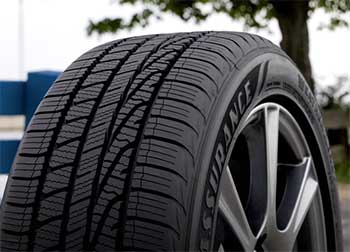
Goodyear Assurance MaxLife prioritizes extreme longevity with TredLife tech and 85,000-mile warranty, wear-resistant compound maintaining even tread.
Wet roads confident with evolving grooves preserving grip. Comfort high, highway stable. American brand availability easy.
Fuel efficiency optimized. Price mid-range. Nexen N’Priz AH8 matches mileage potential and comfort cheaper, strong everyday traction.
Goodyear edges ultimate wear and wet consistency. You select Goodyear maximum miles, Nexen smart balance. Goodyear endurance focus, Nexen practical daily.
- Nexen N’Priz AH8 Vs. Pirelli P4 Persist AS Plus II
Pirelli P4 Persist AS Plus II brings Italian refinement with 85,000-mile warranty and eco low resistance enhancing fuel.
Asymmetric tread optimizes dry handling precise steering, wet grip silica excellent. Noise low for serene cruising.
Comfort tuning smooth. Motorsport heritage confident cornering. Premium materials durable. Price higher.
Nexen N’Priz AH8 similar mileage/comfort budget, responsive feel. Pirelli leads sophisticated response.
You go Pirelli elegant drive, Nexen reliable value. Pirelli premium European, Nexen capable contender.
Also Read: My Thoughts On Armstrong Blu-Trac Tires
Frequently Asked Questions (FAQs)
Denso often OEM for Toyota, but NGK comparable—depends on model.
60,000-100,000 miles typically, varying by vehicle/conditions.
NGK or Denso for reliability, depending on application.
Similar quality; Denso edge in some Toyotas, NGK in Hondas.
Final Thoughts
After real-engine testing, Denso spark plugs offer solid ignition and efficiency for many vehicles, but inconsistent longevity limits appeal.
You get smooth starts initially. Good for stock replacements, but explore alternatives for durability. Consider carefully before buying.