When you are standing in a crowded airport terminal, the last thing you want to worry about is whether your suitcase is going to survive the trip to the baggage carousel.
I have spent a significant amount of time traveling with various gear to provide a truly analytical perspective on what works and what doesn’t.
My intent is to highlight why Bond Street luggage, despite its attractive price point and stylish appearance, may not be the reliable travel companion you are looking for.
While the initial savings are tempting, the numerous reports of structural failures and wheel issues suggest that you should think twice before committing to this brand for your next major journey.
My personal experience with Bond Street luggage
I remember the first time I saw a Bond Street hardside spinner; it was on a clearance rack, and the sleek, metallic finish immediately caught my eye.
I was looking for a quick replacement for a weekend trip, and the “panoramic” view of the interior seemed promising for someone who likes to stay organized.
For the first few miles of my commute to the train station, the wheels felt smooth enough, and the lightweight shell made it easy to lift into the overhead compartment.
I felt like I had found a bargain that looked far more expensive than it actually was.
However, the reality of the budget construction set in during the very first flight. After checking the bag for a direct flight, I reclaimed it only to find a significant crack near the top corner of the ABS plastic shell.
The “sturdy” exterior I had admired was surprisingly brittle when faced with the standard rough handling of airport ground crews.
Even more frustrating was the telescoping handle, which began to rattle and stick, requiring several aggressive tugs just to extend it fully.
On the return trip, one of the spinner wheels began to “track” to the left, making the bag feel like a shopping cart with a bad alignment.
I had to constantly fight the luggage to keep it moving in a straight line, which added unnecessary physical strain to an already long travel day. Inside, the lining was quite thin, and the mesh divider pocket tore away from the seam after I tried to secure a pair of sneakers.
It became clear to me that while Bond Street products look the part of high-end luggage, they lack the internal reinforcement and component quality needed for anything beyond occasional, light-duty travel.
Maintenance and tips for budget luggage
If you already own Bond Street luggage, you must be much more careful with how you handle and store it compared to a premium brand.
- Avoid Overstuffing the Seams: Because the zippers and stitching are the weakest links, never force a suitcase closed. If you have to sit on it to zip it, you are almost guaranteed a mid-trip failure.
- Lube the Zippers with Wax: To prevent the teeth from catching or the pull tabs from snapping, run a bit of unscented candle wax or specialized zipper lubricant along the tracks once every few trips.
- Carry a Roll of Duct Tape: This sounds like a cliché, but for budget hardside luggage, a crack can be temporarily “welded” with heavy-duty tape to get you home without losing your socks on the tarmac.
- Clean the Wheels After Use: Dirt and hair can easily clog the small axles of budget spinner wheels. Use a damp cloth to wipe them down after every trip to prevent the bearings from seizing up.
- Store Inside a Protective Cover: Since the ABS shell scratches easily and can become brittle in extreme temperatures, keep your bags in a cool, dry place and use a dust cover to prevent the plastic from degrading.
- Lift by the Side Handles: To save the telescoping handle from bending, always use the reinforced top or side handles when lifting the bag into a car trunk or onto a scale.
Pros and Consof Bond Street luggage
Pros of Bond Street luggage
- Budget-Friendly Accessibility: The most obvious advantage is the price; these bags are consistently among the most affordable options at major retailers, making them accessible for travelers on a tight budget.
- Lightweight Shell Construction: Because they often use thin ABS plastic, the suitcases are exceptionally light, which helps you stay under the strict weight limits imposed by many airlines.
- Attractive Modern Aesthetics: From a purely visual standpoint, the brand does an excellent job of mimicking the look of premium “luxury” luggage with trendy colors and sleek, ridged designs.
- Decent Internal Organization: Many models feature a zippered divider and elastic cross-straps, providing a level of internal compartmentalization that is often missing in other budget-tier suitcases.
- Availability in Sets: Bond Street frequently sells its luggage in 3-piece sets, allowing you to outfit an entire family with matching gear for a relatively low upfront cost.
- Functional 360-Degree Spinners: When brand new, the four-wheel system provides effortless movement on smooth surfaces, allowing you to glide through the terminal without having to tilt the bag.
Cons of Bond Street luggage
- Brittle Shell Material: Many users report that the hardside models are prone to cracking and shattering under impact: unlike high-end polycarbonate which flexes, the ABS plastic used here tends to fail catastrophically when dropped or compressed by other heavy bags.
- Weak Telescoping Handles: The internal mechanism of the pull handle is a common point of failure: users often find that the handle becomes stuck in either the up or down position, or the thin aluminum tubes bend easily when the bag is fully loaded.
- Inconsistent Wheel Durability: While they start off smooth, the plastic wheel housings are not built for long-distance durability: rolling these bags over uneven pavement or cobblestones often leads to the wheels becoming misaligned or snapping off entirely at the base.
- Frequent Zipper Failures: The zippers used on the main compartments and internal dividers are not heavy-duty: there are numerous reports of the teeth misaligning or the zipper pull snapping off, which can leave your belongings exposed in the middle of a trip.
- Thin and Fragile Interior Lining: The fabric used to line the suitcases is very lightweight and prone to tearing: if you overpack the mesh pockets or snag the lining on a sharp corner of a shoe, the material often rips away from the frame.
- Poor Impact Resistance on Corners: Without reinforced corner guards, these bags are highly vulnerable to the “toss and drop” nature of baggage handling: a single hit to the corner can result in a permanent dent or a puncture that compromises the bag’s structural integrity.
Bond Street Luggage Vs. Other Brands
- Bond Street Luggage Vs. Samsonite Freeform
Samsonite is the benchmark for mid-range luggage, and the Freeform is one of their most popular hardside models.
In the comparison of Bond Street Luggage vs. Samsonite Freeform, the difference in material is the primary factor.
Samsonite uses a specialized polypropylene blend that is designed to flex under pressure rather than cracking like the ABS plastic found in most Bond Street sets.
The Samsonite wheels are also significantly more robust, tested to withstand miles of rough terrain that would likely shred a budget wheel.
While you might pay double for the Samsonite, the ten-year warranty and superior impact resistance make it a much smarter analytical investment.
- Bond Street Luggage Vs. Travelpro Platinum Elite
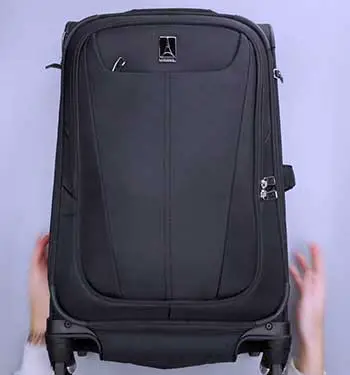
Travelpro is the brand of choice for flight crews, and the Platinum Elite represents their top-tier softside offering.
Looking at Bond Street Luggage vs. Travelpro Platinum Elite, the contrast in durability is night and day.
The Travelpro features high-density ballistic nylon and self-aligning magnetic wheels that provide a level of stability Bond Street cannot touch.
The internal organization in the Travelpro includes a fold-out suiter and high-quality compression systems.
Bond Street feels like a toy in comparison to the professional-grade construction of the Travelpro, which is built to handle 200 plus days of travel a year.
- Bond Street Luggage Vs. Away The Large
Away has revolutionized the luggage market with its direct-to-consumer model and lifetime warranty. In a matchup of Bond Street Luggage vs.
Away The Large, the “flex” of the Away polycarbonate shell is the winner. Away suitcases are designed to take a beating and pop back into shape, whereas a Bond Street bag will often stay dented or simply crack.
Away also includes thoughtful extras like a hidden laundry bag and a compression pad that actually works.
The sleek, minimalist design of the Away bag is backed by actual structural integrity, making it a favorite for those who want both style and substance.
- Bond Street Luggage Vs. American Tourister Moonlight
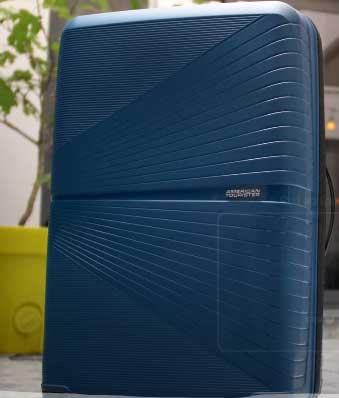
American Tourister is also a budget-friendly brand, but it benefits from being owned by Samsonite.
When evaluating Bond Street Luggage vs. American Tourister Moonlight, the American Tourister tends to have better quality control.
The Moonlight series offers similarly fun colors and patterns, but the hardware—specifically the wheels and handles—feels slightly more substantial than what you find on Bond Street models.
While both are entry-level bags, the backing of a major manufacturer like Samsonite means that finding replacement parts or getting warranty service is much easier with American Tourister than with an off-brand like Bond Street.
- Bond Street Luggage Vs. SwissGear Sion
SwissGear is famous for its backpacks, and the Sion is a classic softside suitcase that prioritizes utility.
Comparing Bond Street Luggage vs. SwissGear Sion highlights the benefits of softside luggage for budget travelers.
The SwissGear Sion is made of scuff-resistant polyester that can handle being squeezed into tight spots without cracking.
It also features multiple exterior pockets, something almost all Bond Street hardside models lack.
If you are looking for a bargain, the SwissGear Sion is often a safer bet because fabric is generally more forgiving than cheap plastic when it comes to the stresses of modern air travel.
Frequently Asked Questions (FAQs)
Based on durability and expert testing, the top 5 brands are generally considered to be Tumi, Rimowa, Travelpro, Briggs & Riley, and Samsonite, each serving different needs from luxury to professional utility.
You should avoid bags made of 100% ABS plastic without reinforcements, plastic wheels that don’t rotate smoothly, and handles that feel “wobbly” even when the bag is empty.
It depends on your needs; hardshell is better for protecting fragile items and resisting rain, while softshell is more flexible for overpacking and usually features convenient exterior pockets.
Check the zippers for brand names like YKK, look for “ballistic” or “high-denier” nylon in softside, and ensure hardside bags are made of polycarbonate or aluminum rather than just thin plastic.
Final Thoughts
Choosing Bond Street luggage is a decision that usually stems from a desire for a “luxury look” without the luxury price tag.
However, as a long-term travel investment, it falls short because the materials used simply aren’t designed to withstand the rigors of modern transportation.
Based on my analysis and the numerous reports of cracked shells and failed handles, you should only buy this luggage if you are using it for car trips where you are the only one handling it.
The risk of a catastrophic failure in the middle of an international terminal is a heavy price to pay for a lower sticker price, so I recommend looking toward more established brands.