When you are cruising down the highway and hear that unmistakable “crack” of a pebble hitting your hood, the value of a quality shield becomes instantly clear.
I have spent years testing automotive accessories on everything from dusty backroads to salt-covered winter interstates to see what truly protects a vehicle’s finish.
My intent is to provide an analytical review of the AVS bug deflector website and products so you can determine if this is the right armor for your daily driver.
You should buy an AVS bug deflector if you want a time-tested, American-made shield that balances sleek aerodynamics with rugged hood and windshield protection.
My personal experience with AVS bug deflectors
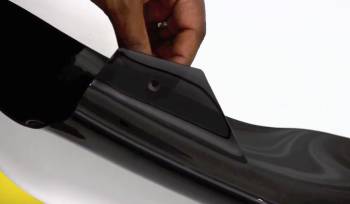
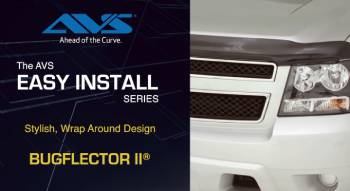
I remember the first time I installed an AVS Bugflector II on my silver pickup truck. I had just finished a cross-country trip that left my hood looking like a graveyard for every insect in the Midwest, and the leading edge of my paint was already showing tiny, frustrating chips from road gravel.
The box arrived from the AVS website much faster than I anticipated, and the first thing I noticed was how surprisingly light yet rigid the impact-modified acrylic felt in my hands.
I was a bit skeptical about a “no-drill” installation, fearing it might fly off at eighty miles per hour, but the mechanical fasteners and automotive-grade adhesive felt rock-solid once they were locked in place.
The real test came a week later during an evening drive through a swampy stretch of the Gulf Coast.
Normally, my windshield would have been a smeared mess within minutes, forcing me to stop at a gas station just to use the squeegee.
With the AVS deflector, I could actually see the airflow at work; most of the smaller bugs were being swept up in the slipstream and tossed right over my roof.
Even more impressive was the lack of “hood flutter.” I had read some reviews where users complained about the hood vibrating at high speeds, but because the AVS is precision-molded to the specific contours of my truck, it remained perfectly still even in heavy crosswinds.
After three years of sun exposure and countless trips through the automatic car wash, the smoke finish still looks deep and glossy.
It hasn’t turned that brittle, milky gray color that you see on cheap knock-off brands. I’ve also noticed that cleaning the hood is much easier because the “stand-away” design allows me to slide a microfiber mitt underneath it to clear out trapped leaves or salt.
It isn’t a magical forcefield—large rocks will still find a way to hit your glass—but for the everyday barrage of road debris, it has saved my paint and my sanity.
Maintenance tips for your bug deflector
Your AVS deflector is a frontline soldier against road hazards, and a little bit of care goes a long way in preserving its look and function.
- Rinse before you wipe: Never use a dry cloth to wipe dust or bugs off your deflector. The grit on the surface will act like sandpaper and create fine swirls in the acrylic. Always hose it down first to loosen the debris.
- Use the right soap: Avoid harsh industrial degreasers or ammonia-based glass cleaners. A standard pH-neutral automotive car wash soap is the best way to clean the acrylic without stripping its UV-protective coating.
- Check the hardware every season: Vibrations from the road can slowly loosen mounting screws. Once every few months, pop the hood and give the fasteners a quick turn with a screwdriver to ensure they are still snug.
- Wax the deflector: When you are waxing your car, go ahead and apply a coat of high-quality liquid wax or a ceramic sealer to the deflector. This fills in microscopic pores and makes bug splatters slide right off during your next wash.
- Replace the rubber bumpers if they fall off: The small clear bumpers prevent the shield from flexing back and touching your paint. If one goes missing, contact AVS or buy a cheap pack of adhesive silicone bumpers to prevent paint damage.
- Clean the “hidden” areas: Use a long-handled soft brush or a pressure washer wand to clean the gap between the hood and the deflector. If salt or mud sits in that gap for months, it can hold moisture against your hood’s edge and promote corrosion.
Pros and Cons of AVS bug deflectors
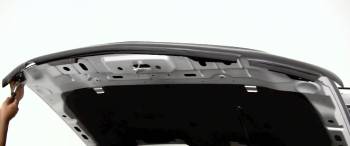
Pros of AVS bug deflectors
- Precision-Molded Fit: Every AVS shield is designed using digital scans of specific vehicle models, ensuring the curves of the deflector perfectly match your hood’s lines.
- Impact-Modified Acrylic: The material is specifically engineered to be flexible enough to absorb a strike from a stone without cracking, while remaining rigid enough to maintain its aerodynamic shape.
- Limited Lifetime Warranty: AVS stands behind their products with a warranty that covers manufacturing defects for as long as you own the vehicle, which is a massive confidence booster.
- Easy No-Drill Installation: Most models utilize existing holes under the hood or heavy-duty 3M adhesive, meaning you don’t have to take a power drill to your brand-new vehicle.
- Aerodynamic Deflection: The “flipped” edge design creates a vortex of air that lifts lighter debris, like bugs and snow, up and over your windshield rather than letting them impact the glass.
- Car Wash Safe: Unlike flimsier brands that might snap under the pressure of industrial brushes, the AVS construction is robust enough to handle frequent automatic washing.
- Made in the USA: There is a certain peace of mind that comes from knowing the product was designed and manufactured in American facilities with strict quality control.
Cons of AVS bug deflectors
- Possible Wind Noise: Depending on the specific aerodynamics of your vehicle, you might notice a slight increase in whistling or wind rushing sounds at highway speeds: this is a trade-off for the redirected airflow that protects your glass.
- Adhesive Sensitivity: For the “Aeroskin” flush-mount models, the 3M tape requires a perfectly clean surface for a permanent bond: if you skip the alcohol prep pad or apply it in freezing temperatures, the edges may begin to lift after a few months.
- Blocked Kickstands or Latches: On some older truck models, the wrap-around design can make it slightly more awkward to reach the secondary hood release latch: you may have to adjust your hand placement to find the lever.
- Dust Traps: Because most AVS models stand slightly off the hood to allow for cleaning, they can still trap small twigs or pine needles in the gap: you will need to hose this area out regularly to prevent debris buildup.
- Visual Interference: If you are a shorter driver in a tall truck, the high-profile Bugflector II might slightly obstruct your view of the very front edge of your hood: this usually just takes a few days of driving to get used to.
- Hardware Loss: In rare cases, the small plastic expansion rivets used for mounting can vibrate loose over years of off-road use: you should check the tightness of the screws during your regular oil change.
- Potential for Paint Rubbing: If the rubber bumpers provided in the kit are not installed correctly, the acrylic might vibrate against the hood under extreme wind: this can lead to small scuffs in the clear coat if you aren’t careful during the initial setup.
AVS Vs. Other Brands
- AVS Vs. WeatherTech
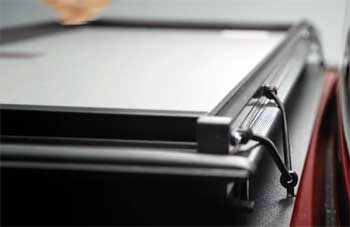
When you compare AVS to WeatherTech, you are looking at the two biggest names in the game.
WeatherTech is often praised for using a slightly thicker aerospace-grade acrylic and their “no-tape” mounting systems that rely solely on mechanical fasteners.
However, I have found that AVS offers a much wider variety of styles, including the low-profile Aeroskin and the chrome-plated versions that WeatherTech doesn’t always provide.
Analytically, AVS is usually the more budget-friendly option while still offering a lifetime warranty, whereas you pay a premium for the WeatherTech name and their slightly more rigid material.
You should buy AVS if you want more aesthetic choices and a lighter-weight design that still provides top-tier protection.
- AVS Vs. Husky Liners
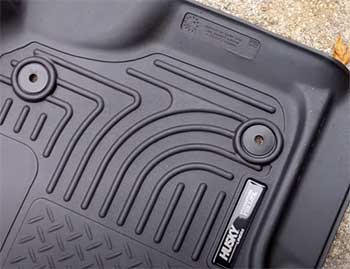
Husky Liners is a formidable competitor that focus heavily on the “Aeroskin” style of flush-mounted hood protectors.
In the battle of AVS vs Husky, the differences are often found in the texture and the finish options.
Husky offers an excellent “chrome” and “smoke” finish, but their catalog isn’t quite as deep as the AVS line when it comes to older vehicle models.
I have noticed that Husky’s adhesive seems to be exceptionally strong, but AVS wins on the “wrap-around” designs that cover the fenders as well as the hood.
If you want total front-end coverage that includes your fender corners, AVS is the analytical winner over the more centered Husky designs.
- AVS Vs. EGR
EGR is an Australian company that has a massive presence in the global truck market.
Comparing AVS to EGR, you will notice that EGR often uses a “bolt-on” look that appeals to off-roaders who want a more aggressive, industrial aesthetic.
EGR shields are incredibly thick and are known for their fade-resistant properties in extreme desert heat.
However, for the average highway driver, AVS is significantly easier to install and doesn’t require as much mechanical knowledge.
AVS provides a more “refined” look that blends into the vehicle’s body lines, while EGR is the brand you choose if you want your bug deflector to look like a piece of armor plating.
- AVS Vs. Stampede
Stampede is famous for their “Vigilante” series and their unique camouflage and American flag patterns.
If you want to personalize your truck with a specific look, Stampede is the only brand that competes with AVS on variety.
Analytically, both brands use high-quality acrylic, but Stampede’s “reverse flip” edge is designed for maximum deflection at lower speeds.
I have found that AVS has better availability at local auto parts stores, making it easier to get a replacement or a warranty claim handled.
You should buy Stampede if you want a custom graphic, but stick with AVS for a classic, high-gloss smoke look that matches any paint color.
- AVS Vs. FormFit
FormFit is a smaller player that specializes in “no-drill” deflectors with a very heavy emphasis on the “stand-off” design.
They claim their mounting system is the most secure in the industry because it uses specialized clips that don’t touch the paint at all.
While their engineering is impressive, AVS offers a much more streamlined purchasing experience through their website and a significantly better warranty.
FormFit can be harder to find for specific vehicle trims, whereas the AVS website allows you to filter by sub-model and engine type to ensure a perfect fit.
AVS is the reliable choice for the masses, while FormFit remains a niche alternative for those who are obsessed with avoid tape.
Frequently Asked Questions (FAQs)
(Auto Ventshade) is a brand owned by Lund International, which is headquartered in Buford, Georgia, and has been a leader in the industry since 1935.
No, they are separate brands, though both are currently owned by the parent company RealTruck, which acquired Lund International and Husky Liners to consolidate the market.
WeatherTech is often seen as the “premium” choice with thicker materials, but AVS is the better value for most users, offering more styles and a comparable lifetime warranty.
Absolutely, especially if you drive on highways frequently. They are a low-cost investment that can prevent hundreds of dollars in paint repairs and windshield replacements over time.
Final Thoughts
In the final analysis of AVS vs the competition, it is clear that Auto Ventshade remains the king of the mountain for a reason.
If you want a product that is easy to install, looks like it came from the factory, and is backed by nearly a century of American engineering, you should buy an AVS bug deflector.
I have found that the small increase in wind noise is a tiny price to pay for the long-term health of your vehicle’s hood and glass.
You should buy your shield from the AVS website today to ensure you get the exact model-specific fit that your truck or SUV deserves.