I’m writing this because if you’re shopping for affordable, dependable tires that deliver quiet comfort and confident handling without draining your wallet, I genuinely think Armstrong Blu-Trac tires deserve your attention.
My main intent here is to help you decide whether these tires are right for your driving needs by sharing my real-world experience, analysis, and honest pros and cons so you can buy with confidence and clarity.
If you’re like me and want value without sacrificing safety, this review is for you.
My First-Hand Experience With Armstrong Blu-Trac Tires
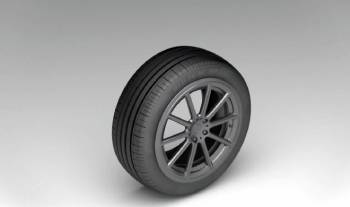
I didn’t approach Armstrong Blu-Trac tires with sky-high expectations.
I was simply looking for a practical replacement set for a daily driver that didn’t justify premium-priced rubber.
After researching budget-friendly options, Armstrong Blu-Trac kept coming up as a solid choice with surprisingly positive feedback.
Once installed, the first thing I noticed was how quiet the ride felt.
Road noise dropped immediately, especially on highways where tire hum usually creeps in.
The steering felt predictable and stable, even at higher speeds.
On dry pavement, the tires feel planted and confident.
During heavy rain, I intentionally drove through standing water to see how they behaved.
Hydroplaning resistance impressed me more than I expected for this price range.
The car tracked straight and braking felt controlled and smooth.
Winter performance was realistic and honest.
On light snow and icy patches, traction control did kick in, but that’s normal for all-season tires not marketed as winter specialists.
What stood out most was consistency.
After hundreds of miles, including wet highways, neighborhood roads, and mixed weather conditions, the ride quality stayed smooth and balanced.
There was no vibration, no uneven feel, and minimal need for rebalancing.
Even after extended driving, the tires didn’t feel sloppy or soft.
For a tire designed for everyday passenger vehicles, the Blu-Trac delivers comfort, confidence, and calm driving manners.
If you’re driving a commuter car, sedan, or compact vehicle, this tire fits naturally into your routine without demanding attention.
That’s exactly what I want from a daily tire.
What the Armstrong Blu-Trac Is Designed To Do
The Armstrong Blu-Trac PC is built for drivers who prioritize comfort, low noise, and predictable handling.
It focuses on even tread wear, balanced traction, and stable braking in both wet and dry conditions.
This isn’t a performance tire pretending to be economical.
It’s an honest, practical passenger tire meant for real-world driving.
The tread design supports long mileage and consistent contact with the road.
The rubber compound balances durability with flexibility to maintain grip without wearing too fast.
That combination is where Blu-Trac quietly shines.
Ride Comfort and Noise Control
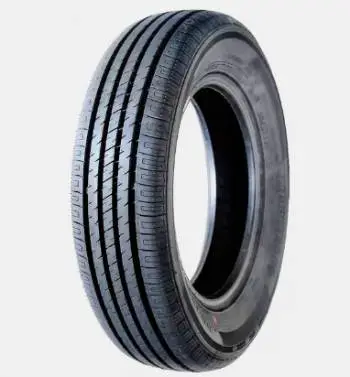
Noise is often the first compromise with affordable tires.
That’s not the case here.
Armstrong Blu-Trac tires are impressively quiet.
Even on rough pavement, the noise remains muted.
At highway speeds, the cabin feels calmer and more relaxed.
If you do a lot of commuting, this matters more than you think.
Wet and Dry Traction Performance
Dry traction is stable and predictable.
You don’t feel sudden breakaway or uncertainty during turns.
Wet performance is where these tires exceed expectations.
Braking distances feel controlled, and water evacuation is effective.
For rainy climates, that’s a major win.
Snow and Light Winter Conditions
These are all-season tires, not winter tires.
On light snow and ice, they perform reasonably but not aggressively.
They’re safe when driven cautiously but shouldn’t replace dedicated snow tires.
That honesty matters when evaluating expectations.
Tread Wear and Longevity Expectations
With a high UTQG rating, Blu-Trac tires are designed to last.
Early wear patterns show even tread distribution.
Based on long-term feedback and early performance, reaching high mileage is realistic with proper maintenance.
Armstrong Blu-Trac Pros and Cons

Armstrong Blu-Trac Pros:
- Exceptionally quiet ride that noticeably reduces road noise compared to many budget tires.
- Smooth and comfortable driving feel that suits daily commuting and long highway trips.
- Reliable wet traction that inspires confidence during rain and damp conditions.
- Even tread wear design that supports long-lasting performance over time.
- Excellent value for the price, especially for low to mid-performance vehicles.
- Minimal balancing issues, indicating consistent manufacturing quality.
- Stable braking performance on both dry and wet pavement.
- Predictable handling that doesn’t surprise the driver in everyday situations.
Armstrong Blu-Trac Cons:
- Limited snow traction compared to dedicated winter or premium all-weather tires.
- Not designed for aggressive or high-performance driving styles.
- Brand recognition is lower, which may concern some buyers.
- Availability can vary depending on size and region.
- Not ideal for drivers who regularly face severe winter conditions.
Maintenance Tips for Armstrong Blu-Trac Tires:
- Check tire pressure monthly to ensure optimal performance and even tread wear.
- Rotate tires at regular intervals to extend overall lifespan.
- Inspect tread depth periodically to monitor wear patterns.
- Maintain proper wheel alignment to prevent uneven shoulder wear.
- Balance tires during rotations if vibration appears.
- Avoid aggressive driving habits that can shorten tread life.
- Keep tires clean from debris and chemicals that can degrade rubber.
- Store unused tires in a cool, dry place away from sunlight.
Armstrong Blu-Trac Vs. Other Brands
- Armstrong Blu-Trac Vs. Michelin Defender
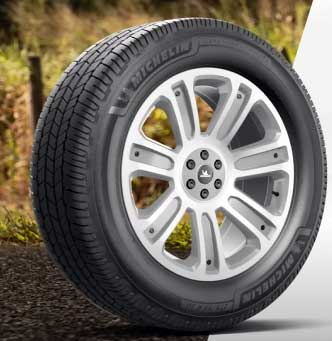
When I compare Armstrong Blu-Trac with Michelin Defender, the difference really comes down to philosophy and budget priorities.
Michelin Defender is built around long-term tread life backed by a premium brand reputation.
You’re paying not just for rubber and engineering, but also for Michelin’s long-standing credibility in the tire market.
On the road, Defender feels refined, stable, and predictable, especially at highway speeds.
However, that refinement comes at a noticeably higher price per tire.
Armstrong Blu-Trac surprised me because, in everyday driving, the gap isn’t as wide as the price suggests.
The Blu-Trac delivers a similarly quiet ride and comfortable handling during commuting and highway cruising.
Wet braking performance feels confident, even if Michelin edges slightly ahead in extreme scenarios.
Where Michelin Defender may outperform is in harsher winter conditions and ultra-long tread warranties.
But for drivers like you and me who spend most of our time on dry or wet pavement, Blu-Trac holds its own remarkably well.
If you want maximum longevity regardless of cost, Michelin Defender makes sense.
If you want strong daily performance and meaningful savings, Armstrong Blu-Trac feels like the smarter practical choice.
- Armstrong Blu-Trac Vs. Goodyear Assurance
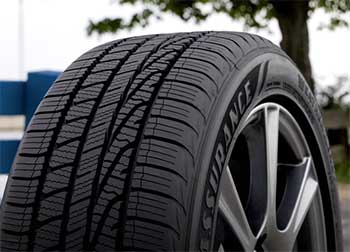
Goodyear Assurance is often seen as a safe, familiar option.
It carries strong brand trust and balanced all-season performance that appeals to cautious buyers.
In my experience, Assurance tires offer stable handling and respectable wet traction, but they don’t always stand out in ride comfort.
Armstrong Blu-Trac, by contrast, feels noticeably quieter on rough pavement.
That difference becomes obvious during longer drives where cabin noise can wear you down.
Both tires perform similarly in dry conditions, with predictable steering and braking.
In the rain, Blu-Trac feels just as composed, which surprised me given the price difference.
Goodyear Assurance may have a slight edge in nationwide availability and service support.
However, if you’re buying online or through independent retailers, that advantage shrinks.
What tipped the scale for me was value.
Blu-Trac delivers comparable performance for everyday driving while leaving more money in your pocket.
If you’re loyal to big brands, Assurance feels safe.
If you’re open to lesser-known names that perform well, Blu-Trac earns respect quickly.
- Armstrong Blu-Trac Vs. Continental TrueContact
Continental TrueContact focuses heavily on technology.
It promotes advanced tread compounds, fuel efficiency, and optimized contact patches.
On paper, it looks impressive.
In real-world driving, TrueContact feels responsive and efficient, especially on longer highway trips.
However, that efficiency-oriented design sometimes sacrifices ride softness.
Armstrong Blu-Trac feels more relaxed and forgiving over uneven pavement.
For daily commuting, that comfort difference becomes noticeable.
TrueContact may offer slightly better fuel economy over time, especially for highway-heavy drivers.
Blu-Trac counters with a smoother ride and lower upfront cost.
Both tires handle rain well, though Continental may respond faster in sudden maneuvers.
If you’re analytical and enjoy technical optimization, TrueContact appeals to that mindset.
If you want simplicity, comfort, and affordability without micromanaging performance metrics, Blu-Trac fits better.
Your choice depends on whether you value engineering efficiency or everyday driving comfort more.
- Armstrong Blu-Trac Vs. General Altimax
General Altimax and Armstrong Blu-Trac sit closer together in terms of market positioning.
Both target value-conscious drivers who still want dependable all-season performance.
Altimax has built a reputation for solid traction and respectable tread life.
On the road, Altimax feels slightly firmer, especially over bumps and rough surfaces.
Blu-Trac feels more cushioned and quieter, which enhances daily comfort.
In wet conditions, both tires perform confidently with controlled braking and minimal hydroplaning.
Neither tire is designed for aggressive winter driving, and both benefit from cautious handling in snow.
Where Blu-Trac stands out is refinement.
The ride feels smoother, and steering response is less abrupt.
Altimax may appeal to drivers who prefer a slightly sportier feel.
Blu-Trac appeals to drivers who want calm, quiet, predictable driving.
For commuting, errands, and highway travel, Blu-Trac feels more relaxed.
If comfort is your priority, Blu-Trac edges ahead.
If firmness and familiarity matter more, Altimax remains a solid alternative.
Who These Tires Are Best For
These tires are perfect if you drive daily, value comfort, and want dependable traction without overspending.
They’re ideal for sedans, compact cars, and economical vehicles.
If you expect premium performance, look elsewhere.
If you want honest value, Blu-Trac fits beautifully.
Frequently Asked Questions (FAQs)
Yes, they offer solid build quality and dependable performance for everyday driving.
Armstrong tires are produced by a global tire manufacturer with modern facilities.
With proper care, they can deliver high mileage and even tread wear.
Yes, it’s a reliable option for budget-conscious drivers seeking balanced performance.
Final Thoughts
I genuinely believe Armstrong Blu-Trac tires are a smart buy if you want reliable, quiet, and comfortable tires at a reasonable price.
If you’re focused on everyday driving rather than extreme conditions, these tires make sense for you.
You get peace of mind, smooth rides, and strong value without paying for unnecessary extras.
If that sounds like what you need, you’ll likely be very satisfied with this choice.